Your puppy was tiny a few months ago. Now they are bumping into the coffee table with legs that seem to belong to a much larger dog. If you are wondering whether this is their final size or whether there is more growing to come, you are not alone.
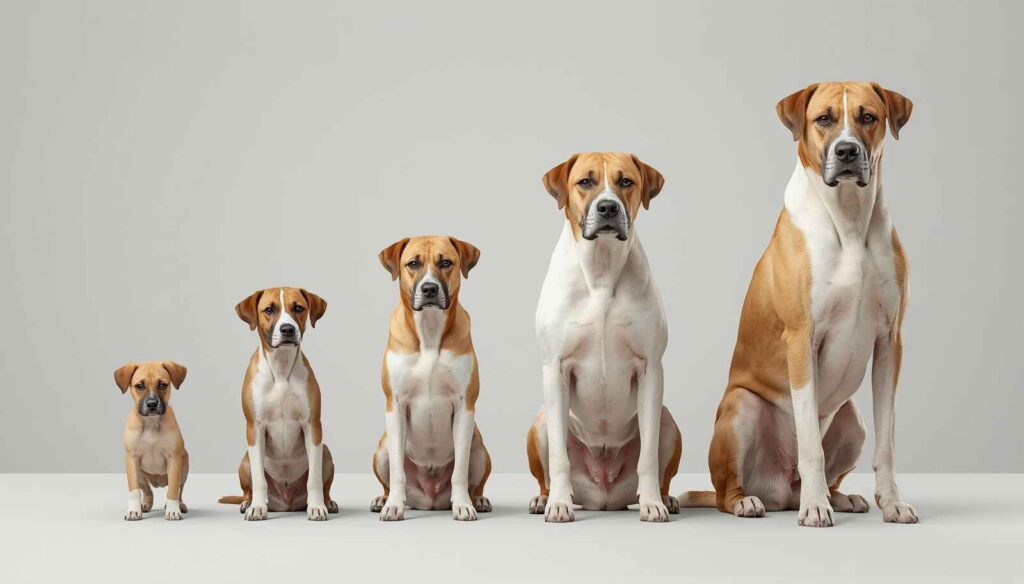
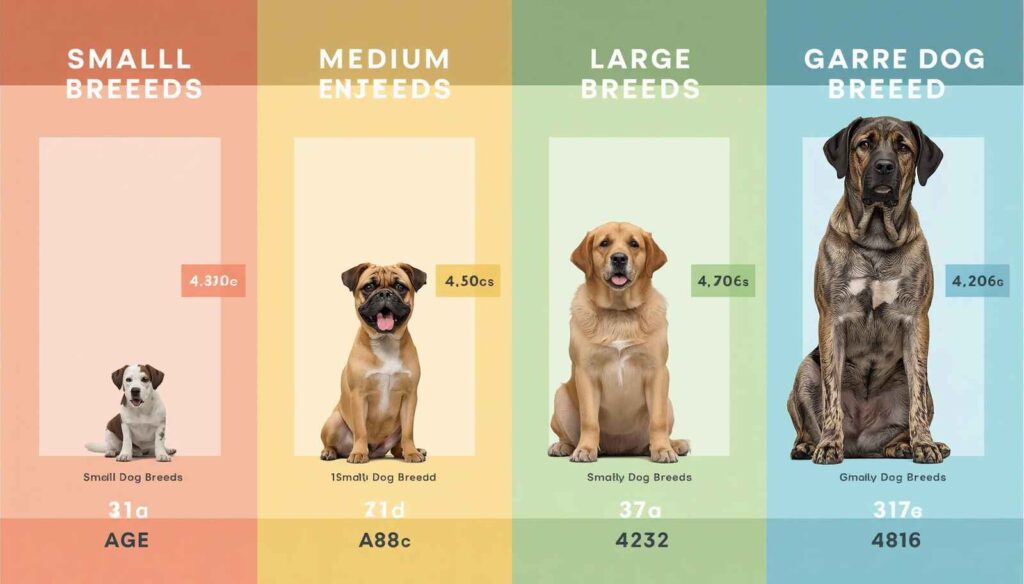
The honest answer is that it depends mainly on how large your dog is expected to be as an adult. Most dogs finish their main physical growth somewhere between 6 and 24 months. Small breeds usually mature sooner, while large and giant breeds may continue developing well into their second year.
However, a dog can stop getting taller without being completely mature. Adult height, final body weight, muscle development and skeletal maturity do not all occur at the same time.
This guide explains typical growth timelines by size, how to recognise when growth is slowing, how to estimate your dog’s adult size, how to monitor development at home and which warning signs deserve veterinary attention.
When Do Dogs Stop Growing? The Quick Answer
Smaller dogs generally mature faster, while larger dogs take longer. Expected adult size is the most useful starting point, although genetics, sex, nutrition and overall health can also influence the timeline.
Growth does not usually stop on one specific day. It slows gradually. Height may level off first, followed by weight gain, chest development and muscle growth over the following months.
At a glance:
- Small dogs: Usually finish most growth earliest.
- Medium dogs: Growth often slows around the one-year mark.
- Large dogs: Physical development may continue beyond 12 months.
- Giant dogs: Growth and body development may continue until around 18–24 months.
- Watch your dog’s growth pattern over time rather than relying on one birthday.
- Weight gain alone does not prove that a dog is still growing. It may also reflect increasing muscle or excess body fat.
“Fully Grown” Doesn’t Mean Just One Thing
The phrase “fully grown” can be misleading because several types of development happen on different timelines. Understanding the difference can help you judge your dog’s progress more accurately.
Adult Height
Adult height refers mainly to long-bone growth—the development that makes your dog taller.
Once this stage is complete, your dog should not become noticeably taller. However, their body may still broaden, gain muscle and develop a more mature shape.
Adult Weight
A dog’s weight often begins to stabilise as they approach maturity, but the number on the scale does not show what type of tissue is being gained.
Continued weight gain may represent:
- Normal muscle development
- Chest and body filling out
- Healthy growth
- Excess body fat
That is why weight should be considered alongside body condition, waist shape and how easily you can feel the ribs.
Skeletal Maturity
A puppy’s long bones grow from areas known as growth plates. These are softer areas of developing cartilage located near the ends of certain bones.
As the dog matures, the growth plates gradually harden and become part of the mature bone. This process cannot be judged reliably from appearance alone. A dog may look adult-sized while parts of the skeleton are still developing.
Growth-plate closure varies between breeds, body sizes and individual dogs, so there is no single closure age that applies to every puppy.
Filling Out and Muscle Development
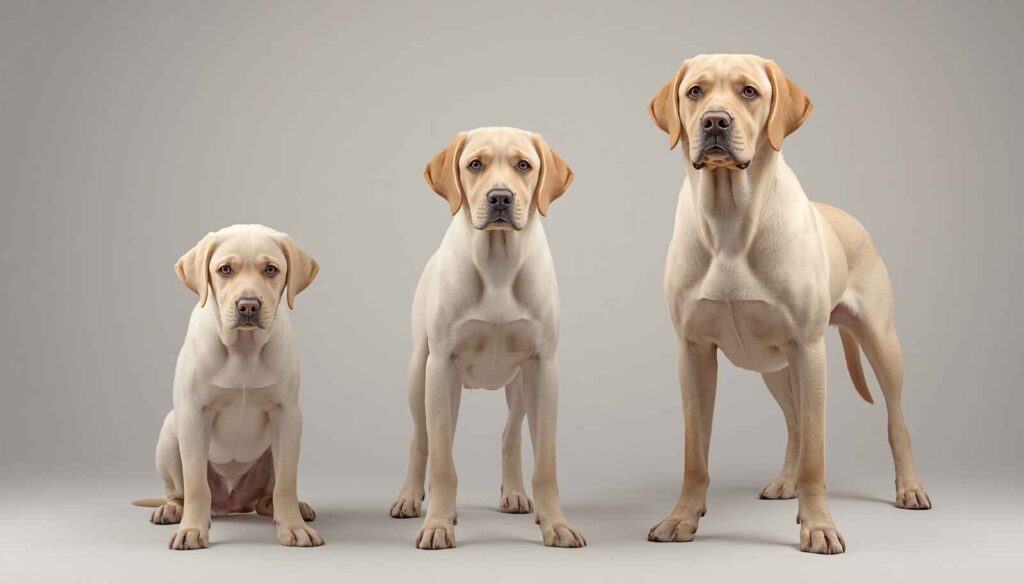
Many dogs reach close to their adult height before they develop their final body shape.
During the filling-out stage, owners may notice:
- A broader chest
- Increased muscle definition
- A thicker neck or shoulders
- A less narrow or “leggy” appearance
This is particularly noticeable in large and giant breeds, which may look tall and awkward for several months before their body proportions become more balanced.
Physical Maturity vs Behavioural Maturity
A dog can look fully grown and still behave like a puppy.
Physical, sexual and behavioural maturity are separate processes. Reaching sexual maturity does not mean the skeleton has finished developing, and behavioural or social maturity may take considerably longer.
This explains why a dog may have an adult-sized body but still show puppy-like excitement, poor impulse control or adolescent behaviour.
What Kind of Growth Has Actually Finished?
| Development Marker | What Owners Notice | Does It Mean Growth Is Completely Finished? |
|---|---|---|
| Adult height | The dog stops getting noticeably taller | Not always |
| Stable weight | Scale readings begin to plateau | Not necessarily |
| Skeletal maturity | Bone development nears completion | A stronger marker of physical maturity |
| Body filling out | Chest and muscle continue to develop | May continue after height slows |
| Sexual maturity | The dog becomes reproductively mature | No |
| Behavioural maturity | More consistent adult social behaviour develops | No |
Your Dog’s Size Is the Best Starting Point
Toy and Small Dogs
Toy and small breeds, such as Chihuahuas and Yorkshire Terriers, generally reach adult height earlier than larger dogs, often within 6–12 months.
A toy breed may look fully grown well before its first birthday. However, continued weight gain after height growth slows is not always normal development. It may reflect muscle gain, body filling out or excess body fat, so body condition matters as much as the number on the scale.
Medium-Sized Dogs
Medium-sized breeds, including Beagles and Border Collies, often continue growing for around 10–15 months, although individual variation is common.
Height may level off before the chest, shoulders and muscles finish developing. A medium-sized dog can therefore look close to adult size while still gradually filling out.
Large Dogs
Large breeds such as Labrador Retrievers and German Shepherds usually take longer to mature. Many approach adult height between 12 and 18 months, while muscle and overall body development may continue beyond that point.
This is the classic “lanky adolescent” stage: the dog looks tall and long-legged but has not yet developed a fully mature chest or body shape.
Giant Dogs
Giant breeds, including Great Danes, Mastiffs and Saint Bernards, often continue developing until around 18–24 months.
A giant-breed puppy may look enormous while the skeleton is still maturing. For these dogs, the aim should be steady, controlled growth rather than becoming as large as possible as quickly as possible. Overfeeding or adding unprescribed calcium supplements does not safely improve adult size and may increase the risk of developmental bone and joint problems.
Practical Size Timeline
| Expected Adult Size | Approximate Growth Timeline | What Owners May Notice |
|---|---|---|
| Toy/Small | Around 6–12 months | Height slows relatively early |
| Medium | Around 10–15 months | Growth gradually plateaus |
| Large | Around 12–18 months | May reach adult height before filling out |
| Giant | Around 18–24 months | Skeletal and body development takes longer |
Treat these ranges as general guides, not fixed deadlines. Growth varies between breeds and individual dogs, even within the same litter.
How Can You Tell If Your Dog Has Stopped Growing?
Height Measurements Plateau
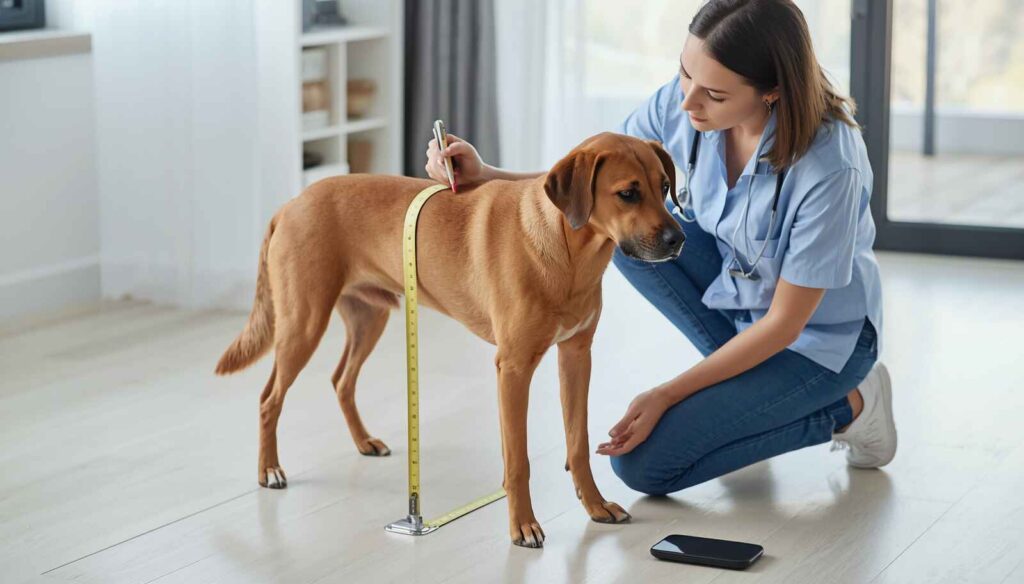
Measure your dog at the shoulder, also called the withers, using the same method each time. Small differences are often caused by posture or measuring technique, so focus on the pattern over several weeks or months rather than one reading.
Weight Gain Slows
Use the same scale where possible and record each measurement. A gradual slowdown in weight gain can suggest that growth is nearing completion, but weight alone is not enough.
Additional weight may be:
- Healthy muscle development
- Normal body filling out
- Excess body fat
Always consider weight alongside body shape and body condition.
Body Shape Starts to Mature
The narrow, awkward adolescent appearance may gradually soften. The chest may broaden, the shoulders may become more defined and muscle development may become easier to see.
These changes are often subtle and vary considerably by breed.
Clothing, Harness and Crate Size Stabilise
This is not a medical test, but it can be a useful everyday clue. If your dog has comfortably used the same harness or coat size for several months, their height and body dimensions may be settling.
Make sure the fit remains comfortable and does not restrict movement or breathing.
Quick Checklist: Is My Dog Nearly Fully Grown?
- Height has changed very little across several measurements.
- Weight gain has gradually slowed.
- Body shape looks more mature and less gangly.
- Feeding portions have been reviewed as growth slows.
- Body condition appears healthy rather than too thin or overweight.
- Your dog moves comfortably without stiffness or pain.
- There is no unexplained weight loss.
- There is no persistent limping, joint swelling or limb deformity.
A plateau in growth is usually gradual. Sudden weight loss, poor appetite or ongoing mobility problems should not be treated as a normal sign of maturity.
The Simple Growth-Tracking Method Most Owners Can Use at Home
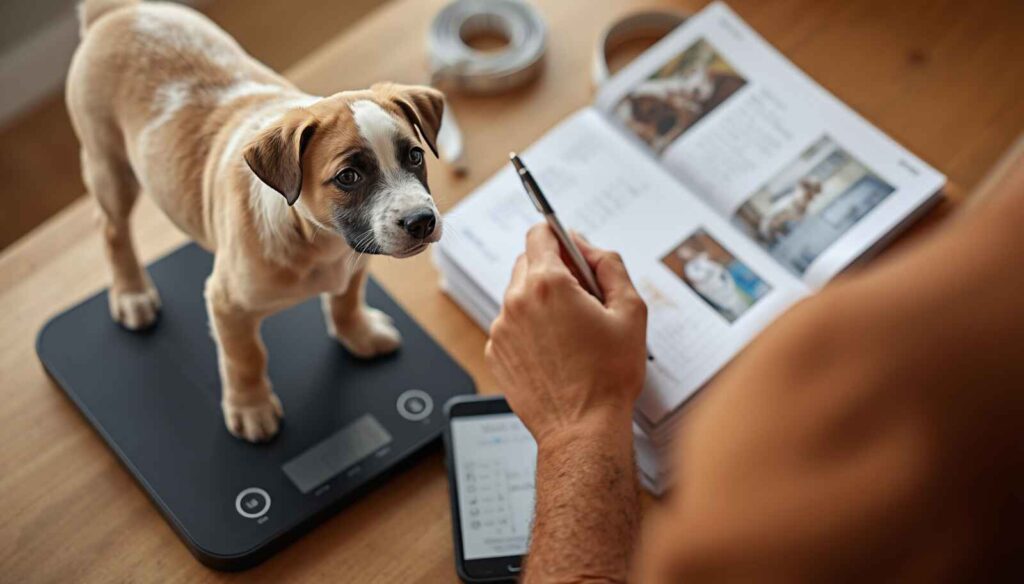
Record weight regularly. Use the same scale when possible and note the date each time. Weekly or fortnightly measurements are usually sufficient for a healthy young puppy; daily weighing can create unnecessary concern over normal fluctuations.
Track body condition, not just scale weight. Run your hands gently along the ribs. You should be able to feel them without pressing hard, but they should not appear sharply prominent. Look for a visible waist from above and a slight abdominal tuck from the side.
Thick-coated dogs can appear heavier or slimmer than they really are, so use touch as well as sight.
Take monthly photographs. Use a similar angle, distance and standing position each time. A side view and a view from above can help reveal changes that are difficult to notice from day to day.
Look at the trend rather than one measurement. Puppy growth rarely follows a perfectly smooth line. One week of slower gain does not necessarily signal a problem, especially if the puppy is eating well, active and maintaining a healthy body condition.
Bring your records to veterinary check-ups. A clear history of weight, appetite, diet, stool quality and mobility can help your veterinarian distinguish normal variation from a possible health or nutritional issue.
How Big Will My Puppy Get? Use Clues in the Right Order
Start With the Known or Expected Breed
Breed size gives you a useful starting range, but it is not a guaranteed final weight or height. Individual dogs may fall above or below typical breed averages while still being healthy.
Look at the Biological Parents
The adult size of the mother and father can offer a helpful estimate, especially for purebred puppies. It is still only a guide because puppies inherit different combinations of genes.
Consider Sex
In some breeds, males tend to be larger than females. However, sex should be treated as one clue rather than a reliable prediction on its own.
Follow Your Puppy’s Actual Growth Curve
A series of measurements over time is more informative than one isolated weight. Growth rate, body condition and the point at which height begins to plateau all help build a clearer picture.
Be More Cautious With Mixed Breeds and Rescues
Adult-size estimates are less precise when breed ancestry or age is uncertain. Shelter or rescue age estimates may be approximate, which can make a puppy appear ahead of or behind an expected growth pattern.
For these dogs, use a realistic size range rather than one exact prediction. Your veterinarian can add context by assessing body proportions, teeth, current development and growth history.
Do Big Paws Mean a Big Dog?
Large paws may suggest that a puppy still has growing to do, but they are not a dependable adult-size calculator. Some puppies grow into apparently oversized paws, while others remain smaller than owners expected.
Are Puppy Weight Calculators Accurate?
Puppy weight calculators can provide a rough estimate, but they are least reliable for mixed breeds, unusually small or large individuals and puppies whose exact age is unknown.
They should never be used to judge whether a puppy is healthy, underweight or growing abnormally.
| More Useful Clues | Less Reliable When Used Alone |
|---|---|
| Known breed range | Paw size |
| Biological parent size | One puppy weight |
| Growth trajectory over time | Online calculator result |
| Veterinary growth history | Comparison with a littermate |
| Expected adult-size category | Social media breed examples |
Why Some Puppies Grow Faster or Slower Than Others
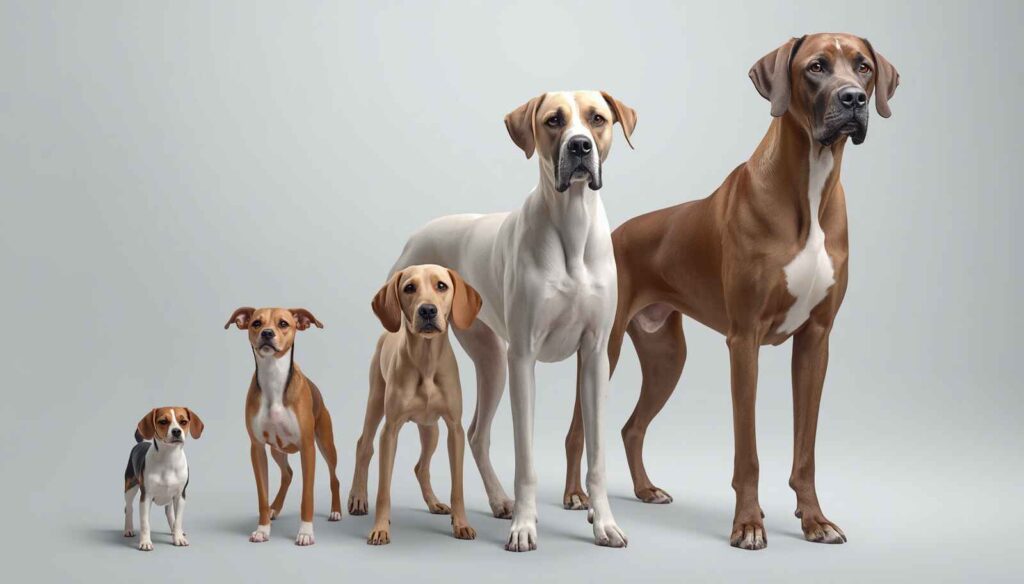
Genetics set much of a puppy’s growth potential. Breed, parental size and individual inheritance all play a role, and some variation between littermates is completely normal.
Nutrition supports healthy development. A complete, balanced puppy diet with appropriate calories helps promote steady growth. This is especially important for large and giant breeds, where overly rapid weight gain can place extra strain on developing bones and joints.
Health problems can also change the growth pattern. Intestinal parasites, ongoing digestive problems, poor nutrient absorption, chronic illness and reduced appetite may all slow weight gain or affect development.
Sex can influence adult size in some breeds, with males often growing larger, but it should not be treated as a reliable rule for every dog.
Age estimates are not always exact either. This is particularly relevant for rescue and shelter dogs with unknown birth dates, where an inaccurate age estimate can make a perfectly normal growth pattern appear unusual.
Healthy Growth Is Not the Same as Fast Growth
Bigger and faster is not the goal. Genetics largely determine your dog’s eventual size, and feeding extra calories will not safely override that. It is more likely to add body fat and, particularly in large breeds, increase unnecessary pressure on developing joints.
A complete and balanced diet should be chosen for your puppy’s life stage and individual nutritional needs.
Don’t Try to Make Your Puppy Grow Bigger
Avoid:
- Overfeeding to increase adult size
- Free-feeding without monitoring intake or body condition
- Adding calcium to a complete puppy diet without veterinary advice
- Using “bone growth” or “height growth” supplements
- Giving extra vitamins without a medical reason
- Assuming more protein automatically produces a larger dog
- Severely restricting food to correct puppy weight without veterinary guidance
Do not deliberately speed up or slow down your puppy’s growth without speaking to your veterinarian first.
Common Mistakes to Avoid
- Treating 12 months as the growth deadline for every dog
- Mistaking fat gain for continued healthy growth
- Feeding extra food because a puppy looks lanky
- Adding calcium to an already complete puppy diet
- Comparing a mixed breed with one purebred growth chart
- Treating a puppy weight calculator as a diagnosis
- Judging body condition by sight alone through a thick coat
- Ignoring a sudden change in the puppy’s usual growth pattern
When Should You Switch From Puppy Food to Adult Food?
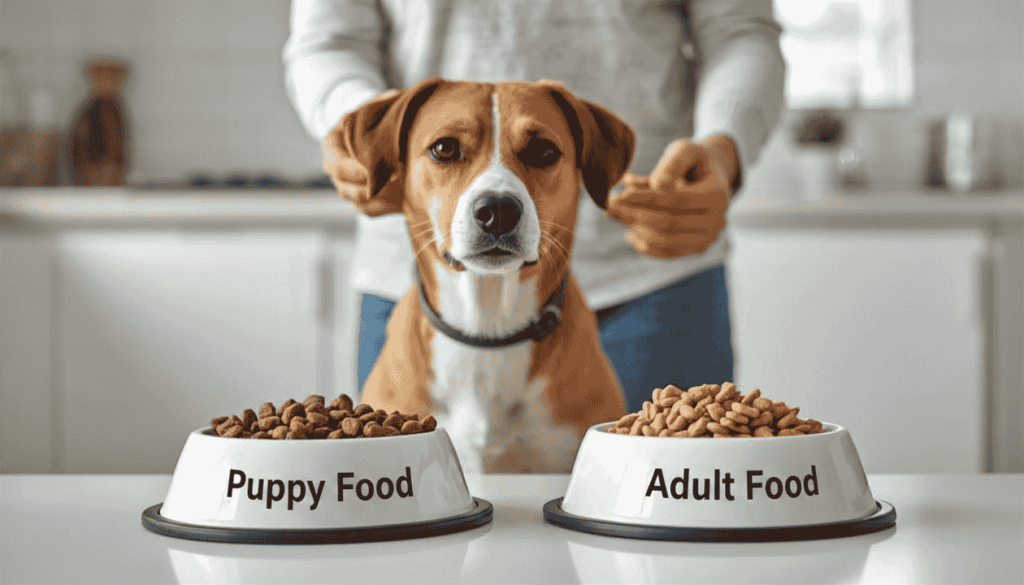
Do not treat the first birthday as a universal deadline. Small breeds may be ready to change earlier, while large and giant breeds often need growth-formulated food for longer.
The right timing depends on:
- Expected adult size
- Current growth rate
- Body condition
- The nutritional suitability of the food
- Veterinary advice
As growth slows, calorie needs may also decrease, even when physical development is not completely finished. Monitor the waist, ribs and overall body condition rather than changing food automatically based on age.
When switching diets, make the change gradually over about a week unless your veterinarian advises otherwise. Watch for changes in appetite, stool consistency or digestive comfort.
Quick Tips for the Food Transition
- Check your dog’s expected adult size.
- Review current body condition.
- Confirm that the new food is suitable for the correct life stage.
- Introduce the food gradually.
- Do not add supplements automatically.
- Ask your veterinarian if growth or weight appears unusual.
Exercise While Your Dog Is Still Growing
Normal movement, play and rest all support healthy development. Age-appropriate walks, self-paced play and mental enrichment are usually more suitable than highly repetitive exercise.
The greater concern is repeated high-impact activity, such as:
- Forced long-distance running
- Repeated high jumping
- Intense agility work
- Frequent sharp turns at speed
- Excessive repetitive exercise on hard surfaces
Adjust activity to your individual dog’s breed, expected adult size, fitness and health. Veterinary guidance is particularly important after an injury or when there is a known joint or orthopaedic concern.
In practical terms, natural play is generally preferable to forced endurance running, comfortable walks are better than excessive mileage, and self-paced movement is safer than repeated jumping drills.
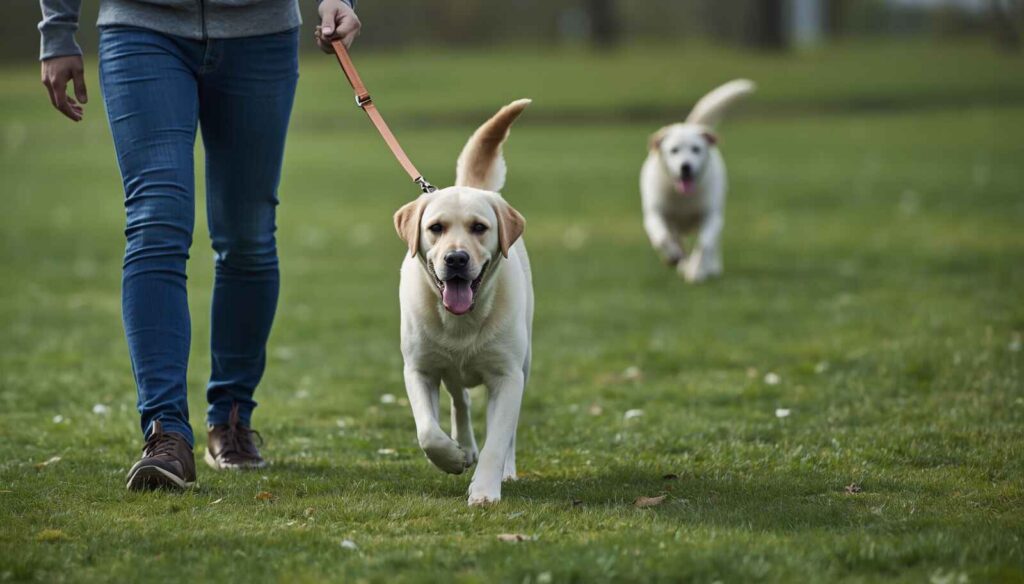
Normal Awkward Growth or a Reason to Call Your Vet?
Often Fine to Monitor
- Gradual slowing of growth
- A temporary lanky or awkward appearance
- Height plateauing before the body fills out
- Mild variation compared with littermates
- Growth that does not follow a perfectly smooth weekly pattern
Reasons to Book a Vet Visit
- Sudden, unexplained weight loss
- Failure to gain weight as expected
- Persistent poor appetite
- Chronic diarrhoea or repeated vomiting
- Persistent limping
- Joint swelling
- Limb deformity or an abnormal gait
- Pain when moving
- Reluctance to rise, walk or play
- Noticeable muscle asymmetry
| Growth Change | Often Just Monitor | Veterinary Advice Recommended |
|---|---|---|
| Gradual growth slowdown | ✓ | |
| Temporary lanky appearance | ✓ | |
| Height slowing before filling out | ✓ | |
| Sudden weight loss | ✓ | |
| Persistent limping | ✓ | |
| Joint swelling | ✓ | |
| Limb deformity | ✓ | |
| Chronic vomiting or diarrhoea | ✓ | |
| Ongoing poor appetite | ✓ |
A veterinarian can assess your dog’s growth history, body condition, diet, limbs, gait and any digestive or systemic symptoms. Imaging may be appropriate in selected medical situations, but routine X-rays are not needed simply to identify the exact day growth ends.
Persistent pain or limping should never be dismissed as “just growing pains.” It deserves a proper veterinary assessment.
Four Dogs, Four Very Different Growth Timelines
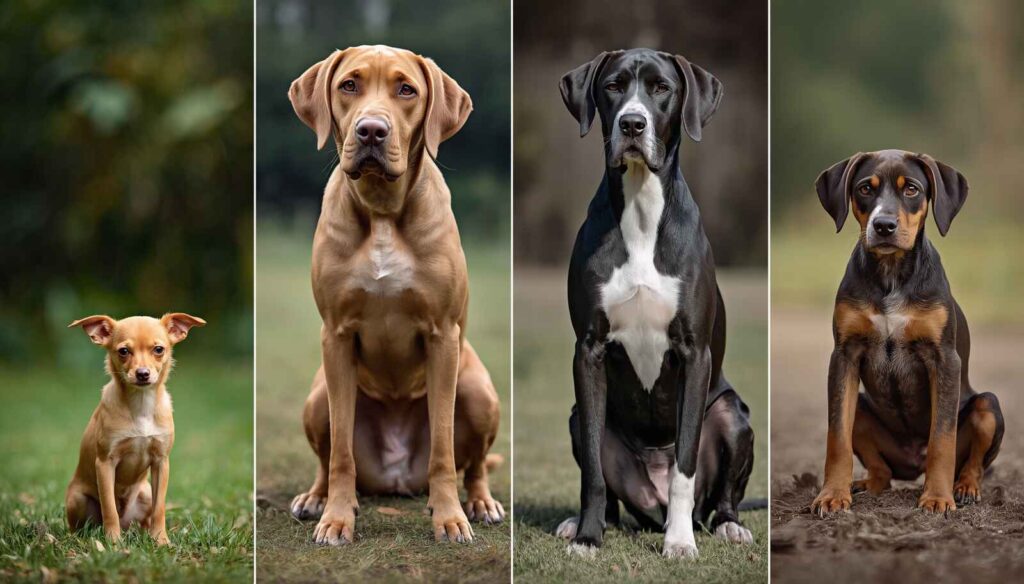
The Chihuahua that looks grown early: Height may plateau well before 12 months. However, that does not mean puppy-level calorie intake should continue unchanged if body condition is already becoming heavy.
The Labrador that is tall but still lanky: Adult height may arrive before the chest and muscles fully develop. Body condition and steady growth matter more than trying to make the dog fill out quickly.
The Great Dane that looks adult but is not fully mature: Giant size does not mean the skeleton has finished developing. Controlled growth and age-appropriate exercise remain important long after the dog starts to look fully grown.
The mixed-breed rescue with no reliable birth date: Unknown ancestry and an uncertain age make exact predictions difficult. A realistic adult-size range, ongoing growth records and veterinary input are more useful than a single chart or calculator.
The Bottom Line
There is no universal age when dogs stop growing. Small dogs usually finish earlier, while giant breeds may continue developing for close to two years.
Height, weight, muscle development and skeletal maturity do not all finish at the same time. That is why tracking growth over time and monitoring body condition are more useful than relying on one birthday or one number on the scale.
A practical next step is to record your puppy’s current age, weight and expected adult-size category. Add a monthly photograph and a brief body-condition check. Contact your veterinarian if growth changes suddenly or is accompanied by poor appetite, digestive problems, pain or mobility changes.
FAQ: When Do Dogs Stop Growing?
1.Is a One-Year-Old Dog Fully Grown?
It depends mainly on expected adult size. Small and many medium-sized dogs are close to fully grown by 12 months. Large and giant breeds may still be developing for another six to twelve months, even if they have already reached close to their adult height.
2.Do Dogs Stop Growing Suddenly or Gradually?
Growth usually slows gradually. Height often plateaus first, followed by slower weight gain and continued muscle or chest development. There is rarely one clear day when every type of growth stops.
3.When Do Dogs Stop Growing in Height?
Small dogs often reach adult height between 6 and 12 months, medium dogs around 10–15 months, large dogs around 12–18 months and giant breeds around 18–24 months. These are approximate ranges rather than fixed deadlines.
4.Why Is My Dog Still Gaining Weight After Reaching Adult Height?
Some weight gain may be normal as the chest broadens and muscles develop. However, it can also reflect excess body fat. Check whether the ribs are easy to feel, whether there is a visible waist and whether the abdomen tucks upward behind the ribs.
5.Do Large Paws Mean My Puppy Will Be a Big Dog?
Large paws may suggest that a puppy still has some growing to do, but they cannot reliably predict adult height or weight. Breed, parental size and the puppy’s actual growth pattern are more useful clues.
6.Can Dogs Still Grow After Two Years?
Most dogs have completed skeletal growth before two years of age. Some giant breeds may still be finishing physical development around this time, while muscle tone and body condition can continue to change after height growth has ended.
7.Do Male Dogs Grow Longer Than Female Dogs?
In some breeds, males tend to be larger and may take slightly longer to finish developing. However, breed, genetics and individual variation matter more than sex alone, so it should not be treated as a fixed rule.
#. Related Articles: