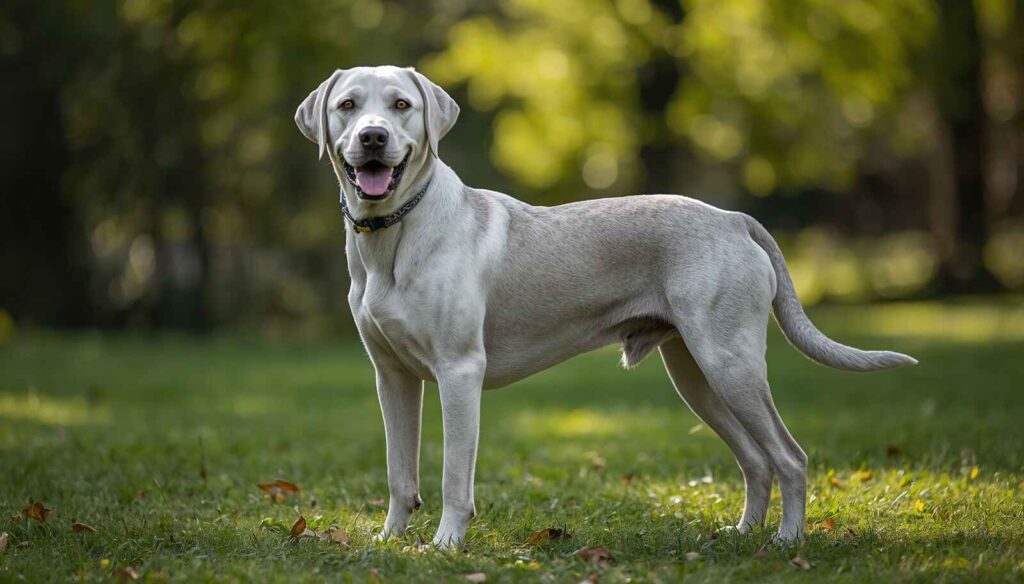
Silver Labrador Breed searches often start with the same curiosity: what makes this Labrador’s smoky, pewter-grey coat look so different? The colour is striking, but appearance alone tells you very little about whether the dog is healthy, responsibly bred, or suitable for your home.
The first point to understand is that a “Silver Labrador” is not a separate breed. It is a dilute-coloured Labrador Retriever, and there is an ongoing debate about when and how the dilute gene entered Labrador bloodlines. Rather than taking sides, this guide focuses on what matters most to owners: genetics, health, temperament, care needs, breeder screening, and the realities of living with a Labrador.
Above all, remember that a dog’s health, temperament, and quality of breeding matter far more than the shade of its coat.
Silver Labrador at a Glance
| Feature | Typical Expectation | Important Qualification |
|---|---|---|
| Breed status | Labrador Retriever colour variation | Not a separately recognised breed |
| Temperament | Friendly, active, and trainable | Shaped by genetics, socialisation, training, and environment—not coat colour |
| Coat | Short, dense double coat | Silver Labradors shed just as other Labradors do |
| Exercise | Moderate to high | Requirements vary with age, fitness, and health |
| Health | Shares common Labrador health risks | Dilute coats may carry an additional risk of certain skin and hair disorders |
| Registration | May be recorded by some kennel clubs | Registration does not mean silver is an accepted breed-standard colour |
What Makes a Labrador Look Silver?
Silver as Diluted Chocolate Pigmentation
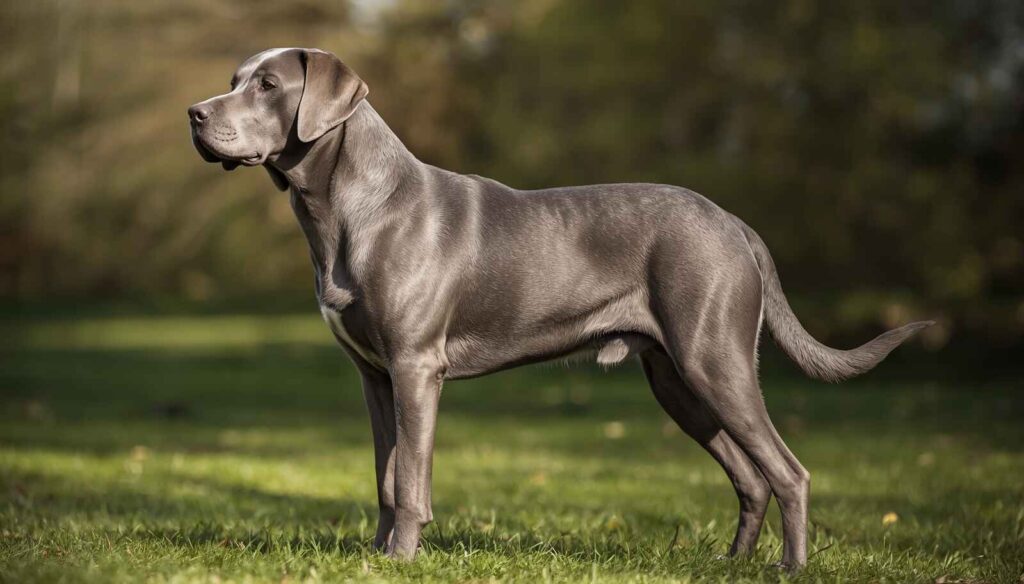
A Silver Labrador is generally understood to have the genetic foundation for a chocolate coat, combined with two copies of a recessive dilution variant. This changes how brown pigment is distributed in the hair, making the coat appear grey-brown, pewter, or silver rather than deep chocolate.
A useful comparison is a dimmer switch: the underlying pigment is still brown, but its visible intensity is reduced. The coat is not truly metallic, and the hair should still have the same short, dense texture expected in a Labrador Retriever.
Carrier, Silver-Factored, and Visibly Silver Aren’t the Same Thing
These terms are often confused:
- A visibly silver Labrador inherits two copies of the dilute variant and displays the diluted coat.
- A dilute-gene carrier inherits one copy but usually does not show dilute colouring.
- A silver-factored Labrador is a standard-coloured Labrador that carries the dilute variant without appearing silver.
A carrier may look black, chocolate, or yellow, depending on the other coat-colour genes inherited. Its appearance alone cannot confirm whether it carries dilution.
Can Two Non-Silver Labradors Produce Silver Puppies?
Yes, it is genetically possible. Dilution is recessive, so a puppy generally needs to inherit one dilute copy from each parent to display the silver coat. Two normal-looking carriers could therefore produce dilute puppies.
However, the appearance of a silver puppy does not by itself prove anything about breed purity, breeder ethics, or the quality of the breeding programme. Those questions require pedigree information, parentage records, appropriate health testing, and an honest assessment of how the breeder selects dogs.
Appearance: How to Recognise a Silver Labrador
The coat may range from a light grey-brown to a darker pewter shade, and its appearance can change slightly as the puppy matures. Like other Labradors, a Silver Lab should have a short, dense, weather-resistant double coat rather than a thin or silky one.
Silver Labrador puppies may have blue or blue-grey eyes, but the colour commonly changes as they grow. Many adults develop hazel, amber, or pale yellow-green eyes. Permanent bright-blue eyes are less typical, so buyers should be cautious of breeders who guarantee a particular adult eye colour.
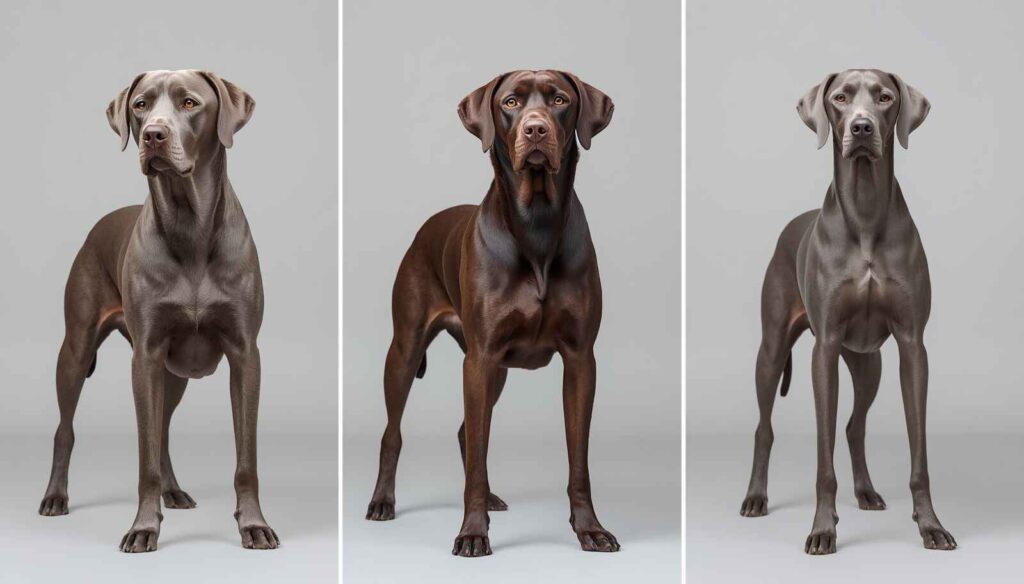
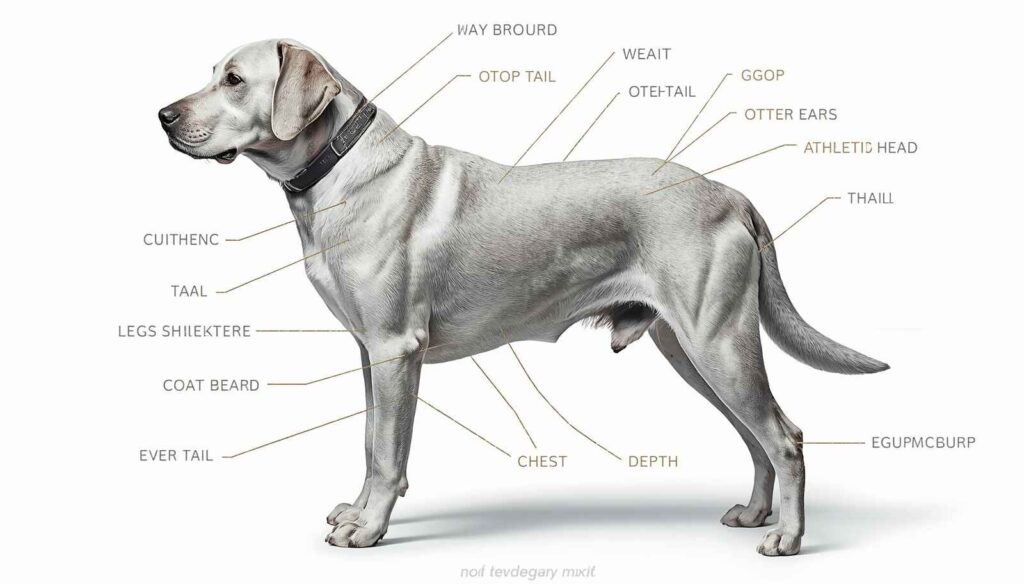
In build, a Silver Labrador should resemble a Labrador Retriever rather than a Weimaraner or another grey-coated breed. Expected features include:
- A broad, Labrador-type head
- A strong, well-muscled body
- A thick “otter” tail
- A sturdy, athletic outline
- Drop ears set close to the head
Working-line Labradors are often lighter and more athletic, while show-line dogs may have a broader, heavier build. These differences relate to breeding lines, not silver colouring.
Silver, charcoal, and champagne-type coats are all associated with dilution acting on different base colours:
- Silver: dilute chocolate
- Charcoal: dilute black
- Champagne-type colouring: dilute yellow
These colours may look different, but coat colour alone does not create a separate temperament, intelligence level, or set of care needs.
Silver Labrador vs Similar-Looking Dogs
| Comparison Point | Silver Labrador | Chocolate Labrador | Weimaraner |
|---|---|---|---|
| Breed identity | Labrador Retriever with dilute colouring | Standard-coloured Labrador Retriever | Separate breed |
| Coat tone | Diluted brown-grey or pewter | Brown or chocolate | Grey or silver |
| Body shape | Sturdy Labrador build | Sturdy Labrador build | Taller, leaner, more streamlined |
| Head and ears | Broad Labrador-type head with drop ears | Broad Labrador-type head with drop ears | Longer head with longer, finer ears |
| Temperament | Typical Labrador tendencies | Typical Labrador tendencies | Different breed-specific traits |
| Breed-standard colour | Generally non-standard | Standard | Standard for the Weimaraner |
The Origin Debate, Without the Drama
What is known is that the dilute variant occurs within some Labrador breeding populations. What remains disputed is how and when it entered those lines.
Some people believe historical crosses with Weimaraners introduced the dilute gene. Others argue that the variant may have existed unnoticed in Labrador lines for generations because recessive genes can remain hidden in normal-looking carriers. Historical pedigree records are incomplete, so neither explanation can be proven with certainty.
Modern DNA testing can confirm coat-colour variants, parentage between tested dogs, and certain inherited disease risks. It cannot prove the complete ancestry of every dog in a pedigree, confirm responsible breeding, or guarantee a healthy temperament. Sweeping claims from either side of the debate should therefore be treated cautiously.
Registration and Dog Sports
Kennel-club registration is not the same as acceptance under a breed standard. In the United States, United Kingdom, Canada, and Australia, silver is generally not recognised as a standard Labrador colour. This may affect eligibility for conformation showing, where dogs are judged against the official breed standard.
That does not mean Silver Labradors are excluded from all organised activities. Depending on the rules of the club or event, they may participate in:
- Obedience
- Agility
- Rally
- Scent work
- Retrieving activities
- Field or performance events
Rules can change, so owners should check directly with the relevant national kennel club or event organiser before entering.
Temperament: Does Silver Change the Personality?
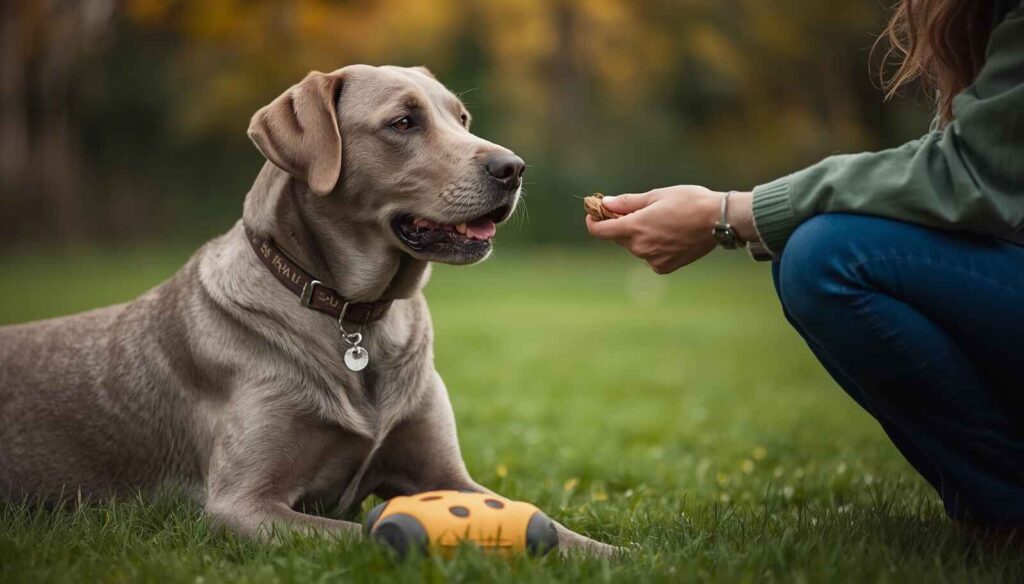
No reliable evidence shows that silver colouring creates a different temperament. A Silver Labrador should still display familiar Labrador tendencies, such as being sociable, energetic, food motivated, and responsive to training.
Behaviour is shaped far more by:
- Parent temperament
- Early socialisation
- Training
- Exercise
- Health
- Daily environment
New owners often underestimate Labrador adolescence. Jumping, mouthing, pulling on the lead, chewing, and poor impulse control are common in young Labs. These behaviours do not mean the dog is “bad,” but they do require patient, consistent training.
Sudden irritability, withdrawal, reluctance to move, or sensitivity to touch can sometimes indicate pain or illness rather than a training problem. A veterinary check is sensible when behaviour changes unexpectedly.
Is a Silver Labrador Right for Your Household?
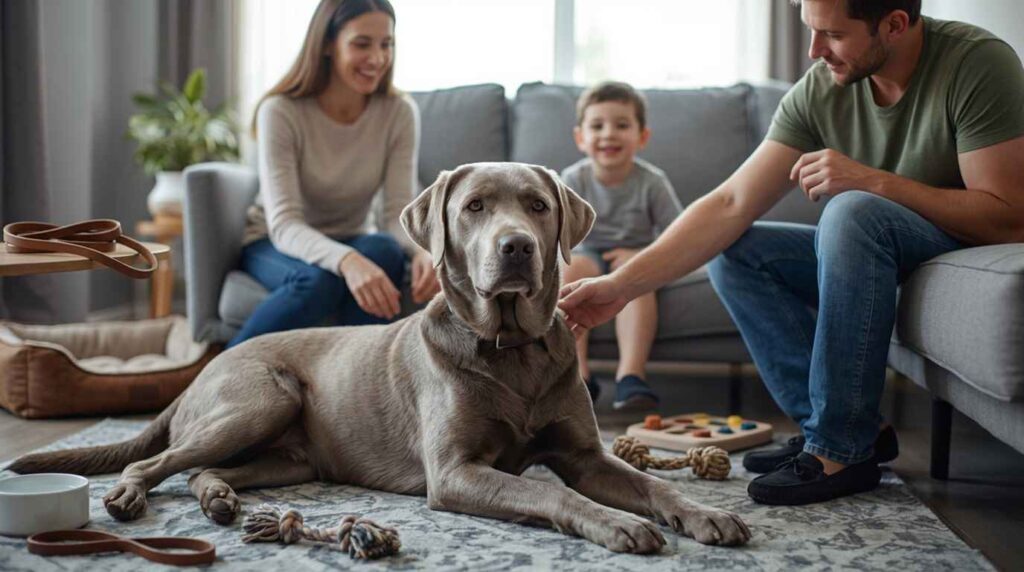
Silver Labradors are best suited to households that can provide daily exercise, training, companionship, and mental stimulation. They also suit owners willing to investigate breeders carefully rather than choosing a puppy based on colour alone.
First-time owners can manage a Labrador successfully, but preparation matters. The adolescent stage can be demanding, particularly when a strong, excitable dog has not yet learned calm greetings, recall, or loose-lead walking.
Labradors are often good family dogs, but “friendly” does not mean “safe without supervision.” A boisterous young Lab can easily knock over a small child, steal food, or become overexcited during play. Children and dogs should always be supervised, and both need clear boundaries.
Apartment living can work when the dog receives enough exercise, training, toilet access, and enrichment. The size of the home matters less than the quality of the daily routine.
Exercise, Feeding and Grooming
Puppies need short, age-appropriate activity, gentle exploration, training, and free play. Avoid repetitive high-impact exercise, prolonged running, and excessive jumping while joints are still developing.
Healthy adults often need around one to two hours of activity across the day, but this should be adjusted for age, fitness, weather, and individual health. A balanced routine may include:
- Walks
- Retrieving games
- Scent work
- Swimming in safe conditions
- Short training sessions
- Food puzzles
Senior dogs usually benefit from regular, lower-impact movement rather than complete rest.
Labradors are highly food motivated and can gain weight easily. Measure meals, limit high-calorie treats, and check body condition regularly. You should be able to feel the ribs without pressing hard and see a waist when viewed from above. Unexplained weight gain or loss should be discussed with a veterinarian.
Silver Labs shed like other Labradors. Their double coat sheds throughout the year, with heavier seasonal periods. Brush several times a week and more often during heavy shedding.
Do not shave the coat to control shedding. Shaving does not stop the natural shedding cycle and may interfere with the coat’s protective function.
Health: What Is Colour-Related and What Isn’t
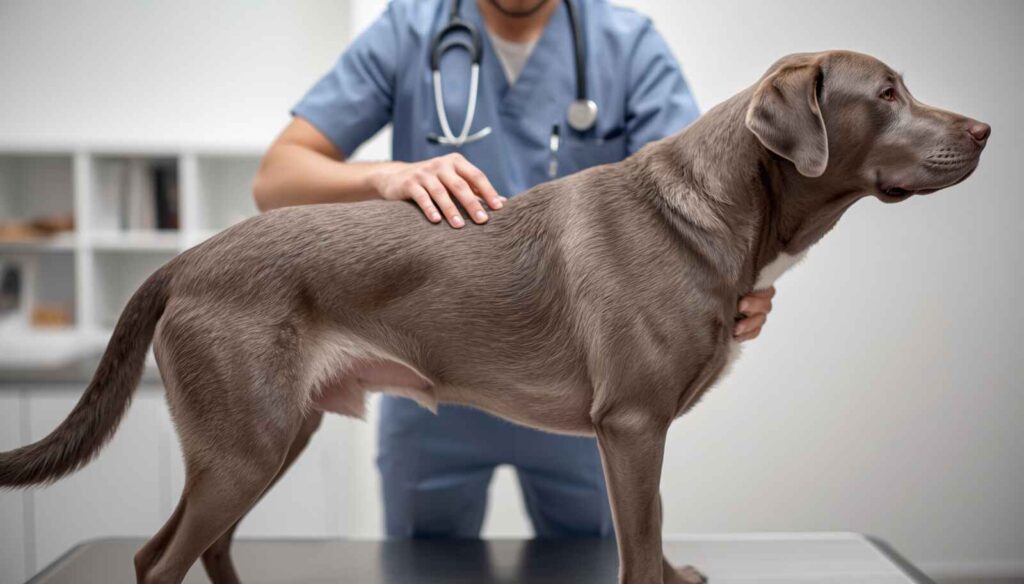
Silver Labradors share the same general health risks as other Labradors, including:
- Hip dysplasia
- Elbow dysplasia
- Hereditary eye disease
- Obesity
- Ear infections
- Cruciate ligament injuries
- Exercise-induced collapse
- Certain inherited neuromuscular and skin disorders
The condition most often discussed in relation to dilute coats is colour dilution alopecia (CDA). This inherited hair-follicle disorder can cause brittle hair, progressive thinning, scaling, and secondary skin infections.
Not every dilute-coated dog develops CDA. However, prospective owners should ask whether the parents, siblings, or older relatives have experienced unexplained hair thinning, recurrent skin infections, or poor coat quality.
| Sign | Normal Shedding | Veterinary Concern |
|---|---|---|
| Hair-loss pattern | Even and often seasonal | Patchy, progressive, or localised |
| Skin appearance | Normal | Red, flaky, sore, darkened, or infected |
| Itching | Minimal or absent | Persistent or severe |
| Hair regrowth | Normal | Slow, uneven, or absent |
| Odour or pustules | Absent | May be present |
CDA cannot be diagnosed from coat colour alone. Fleas, mites, fungal disease, bacterial infection, allergies, hormonal disorders, and other follicular conditions can cause similar signs.
A veterinarian may recommend a skin examination, parasite testing, fungal or bacterial testing, blood work, or other investigations depending on the symptoms.
Warning: Do not use human steroid creams, medicated shampoos, essential oils, antiseptics, or supplements on a dog’s skin without veterinary guidance.
Choosing a Breeder
| Area | Responsible Breeder | Colour-Focused Seller |
|---|---|---|
| Main priority | Health, temperament, and suitable homes | Unusual colour and price |
| Testing | Verifiable and breed relevant | Vague “DNA tested” claims |
| Availability | Carefully planned litters | Puppies continually available |
| Risk discussion | Open and balanced | Minimises or denies problems |
| Buyer screening | Asks about the home and lifestyle | Focuses mainly on payment |
| Support | Ongoing, with a return policy | Often ends after the sale |
Ask for the exact names of the health tests completed on both parents, the actual results, and details that allow you to verify them independently.
“Vet checked” usually means a dog received a general examination. It does not replace formal screening for inherited joint, eye, neurological, or other breed-related conditions.
Likewise, “DNA tested” means little unless the breeder explains:
- Which conditions were tested
- The result for each parent
- Which laboratory performed the tests
- Whether the results can be independently verified
Be cautious when a seller uses pressure tactics such as:
- “This colour is extremely rare”
- “Other buyers are waiting”
- “The paperwork will come later”
- “Registration proves the puppy is healthy”
- “Our puppies can never develop inherited disease”
No responsible breeder can guarantee that a dog will never develop a multifactorial condition such as hip dysplasia, allergies, or skin disease.
Cost of Ownership
Silver Labrador puppy prices vary widely by country, breeder, demand, pedigree, and testing. A higher price does not prove that a puppy is healthier or better bred.
The purchase price is only one part of the total cost. Owners should also budget for:
- Food
- Pet insurance
- Vaccinations and preventive care
- Training
- Equipment
- Grooming supplies
- Boarding or daycare
- Emergency veterinary treatment
Arranging insurance before symptoms appear may help prevent future conditions from being excluded as pre-existing.
Common Mistakes to Avoid
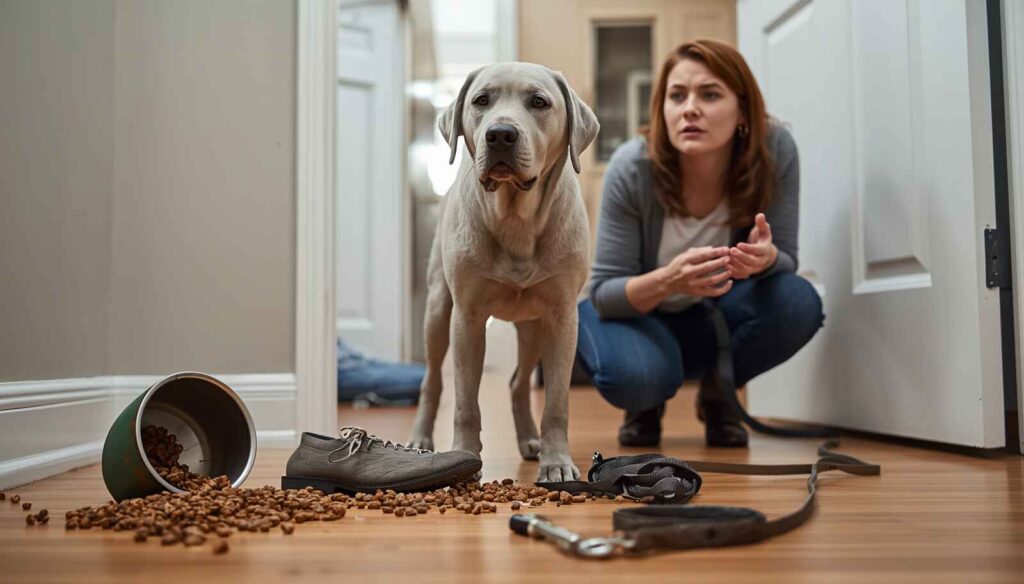
Common mistakes include:
- Choosing colour before health and temperament
- Assuming registration guarantees responsible breeding
- Accepting vague health-test claims
- Overfeeding a food-motivated dog
- Over-exercising a growing puppy
- Underestimating Labrador adolescence
- Shaving the double coat
- Assuming all hair loss is CDA
- Treating skin disease with human products
- Delaying insurance until after symptoms develop
Final Thoughts
Look beyond the striking coat and you are still choosing a Labrador: an active, sociable, trainable dog that needs time, structure, exercise, and responsible care.
A Silver Labrador can be a wonderful companion, but the decision should rest on health testing, temperament, breeder transparency, and suitability for your household—not colour alone. Choose carefully, maintain a lean body condition, provide consistent training, and contact your veterinarian if you notice progressive hair loss or recurring skin problems.
Frequently Asked Questions
1. Is a Silver Labrador a separate breed?
No. A Silver Labrador is a Labrador Retriever with dilute coat colouring, not a separate breed.
2. Can two non-silver Labradors produce a silver puppy?
Yes. Two normal-looking dogs can produce a silver puppy if both carry the recessive dilute variant and each passes it to the puppy.
3. Does the silver coat affect temperament?
There is no good evidence that silver colouring determines temperament. Behaviour is influenced by genetics beyond coat colour, early socialisation, training, health, and environment.
4. Do all Silver Labradors develop colour dilution alopecia?
No. Some dilute-coated dogs never develop CDA. Others may experience progressive hair thinning, scaling, or secondary skin infections.
5. Can Silver Labradors compete in dog sports?
They may be eligible for obedience, agility, rally, scent work, retrieving, and other performance events. Conformation-show eligibility may be restricted because silver is generally not a recognised breed-standard colour. Always check the relevant organisation’s current rules.
6. Why are Silver Labrador puppies often expensive?
Demand for unusual colouring can increase the price. However, a high price does not guarantee comprehensive health testing, good temperament, or responsible breeding.
7. What should I do if my Silver Lab starts losing hair in patches?
Arrange a veterinary examination. Patchy or progressive hair loss can have several causes, including parasites, infection, allergies, hormonal disease, and colour dilution alopecia. Proper diagnosis is more reliable than treating it at home.
#. Related Articles: