You’re eating a bowl of blueberries, and your dog is staring at you with those eyes. You know the ones. And you start wondering — can they have some? Is this safe? Or am I about to make a trip to the emergency vet?
It’s one of the most common questions dog owners in the UK, Canada, and Australia ask every single day. And honestly, the answer isn’t as simple as a yes/no list. What human food dogs can eat depends on the food itself, how it’s prepared, and your individual dog.
This guide cuts through the confusion. No fluff, no scare-mongering — just clear, practical advice you can actually use at dinner time.
Why Your Dog Begs for Your Food (And Why That’s Not Always Bad)
Dogs evolved alongside humans for thousands of years. They’re genuinely wired to be interested in what we eat. And here’s the thing — some human foods are actually good for dogs. Not just harmless, but genuinely nutritious.
The problem isn’t sharing food. The problem is sharing the wrong food, or the right food prepared the wrong way (think garlic butter, salt, sauces).
Understanding the difference is what this guide is all about.
Human Foods That Are Safe for Dogs
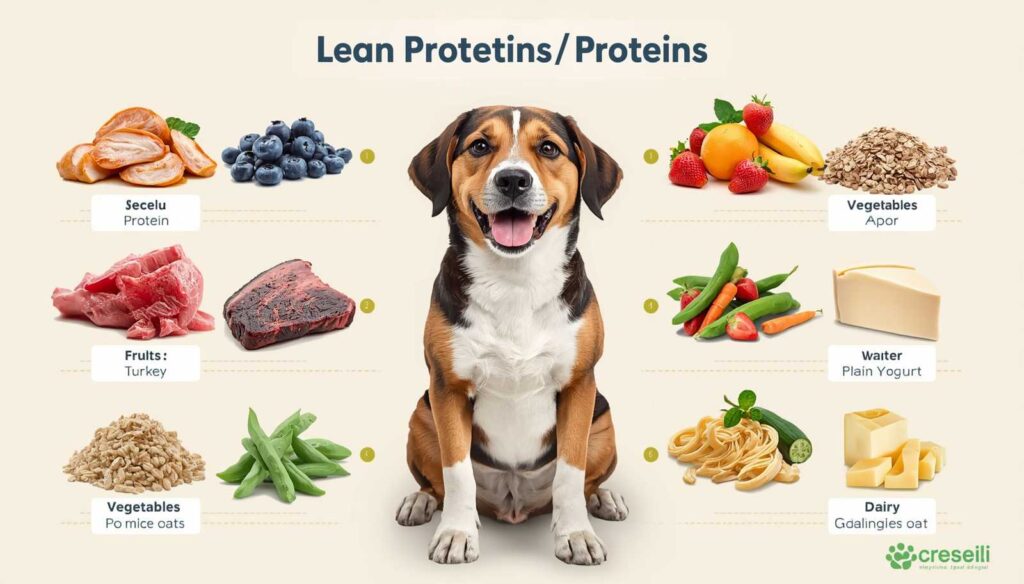
Lean Proteins and Meats
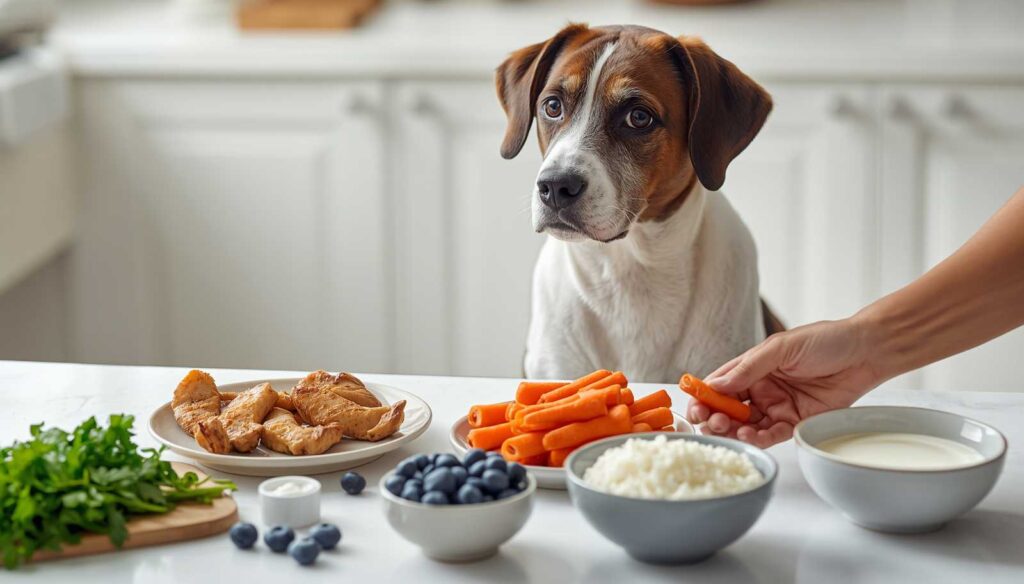
Cooked chicken (plain) is probably the most dog-friendly human food there is. It’s easy to digest, high in protein, and most dogs absolutely love it. Boil it or bake it with zero seasoning — no salt, no garlic, no onion powder. Many vets actually recommend it when a dog has an upset stomach.
Lean beef is another great option, cooked and plain. It’s packed with iron and B vitamins. Just drain the fat — too much fat can trigger pancreatitis, which is painful and expensive to treat.
Cooked salmon and white fish like cod are brilliant for dogs. They’re rich in omega-3 fatty acids, which support healthy skin, coat, and joints. This is especially useful in colder climates like Canada and the UK where dogs can suffer from dry skin. Always cook fish thoroughly and remove all bones.
Cooked eggs (scrambled or boiled, no butter) are a high-quality protein source that most dogs handle well. They’re also good for dogs with sensitive stomachs.
Quick tip: If you’re cooking chicken or fish for yourself, just set aside a small portion before you add any seasoning. Your dog gets a healthy treat, you barely have to think about it.
Fruits Dogs Can Eat
Fruits make great treats because they’re low in calories and high in natural vitamins. Here are the safe ones:
- Blueberries — antioxidant-rich, great as a training treat, suitable for small and large dogs alike
- Watermelon (seedless, no rind) — hydrating, especially on hot Australian or Canadian summers
- Apple slices (no seeds or core) — good for teeth, high in fibre
- Bananas — in small amounts, good source of potassium; don’t overdo it due to sugar content
- Mango (peeled, no stone) — vitamins A, B6, C, and E in one tasty bite
- Pears — fine in small amounts; remove the seeds and core
Fruits to avoid completely: Grapes and raisins are extremely toxic to dogs — even a small amount can cause kidney failure. This applies to all breeds and sizes. Cherries (the pit contains cyanide), and citrus fruits like lemons and limes can cause digestive upset.
Vegetables Dogs Can Eat
Most veg is safe and genuinely healthy for dogs. Some are even better for dogs than they are for us:
- Carrots — crunchy, low-calorie, great for dental health; you can give these raw or cooked
- Green beans — excellent low-calorie snack, especially if your dog is watching their weight
- Broccoli — fine in small quantities; large amounts can cause gas
- Cucumber slices — hydrating and almost zero calories, perfect for overweight dogs
- Cooked sweet potato — high in fibre and beta-carotene; a favourite in many homemade dog treat recipes
- Cooked pumpkin — great for digestion; vets often recommend it for dogs with diarrhoea or constipation
- Peas — fresh or frozen (not canned with added salt), good source of vitamins
Vegetables to never feed your dog: Onions, garlic, leeks, and chives. All members of the allium family are toxic to dogs — they damage red blood cells and can cause anaemia. This includes onion powder and garlic powder, which are more concentrated than fresh. Always check ingredient labels.
Grains and Other Pantry Staples
Plain cooked rice is a staple for dogs with upset stomachs. White rice especially is easy to digest and helps settle things down. Brown rice is fine too but slightly harder to digest.
Plain oats (cooked, no flavouring) are a solid source of soluble fibre. Good for older dogs or those with irregular digestion.
Plain cooked pasta is safe in small amounts, though it has little nutritional value for dogs. Think of it as an occasional treat, not a regular thing.
Plain popcorn (air-popped, no butter or salt) is fine as an occasional snack. The moment you add butter, salt, or flavouring, it becomes a problem.
Dairy — With Some Caution
Plain yoghurt (no artificial sweeteners, especially no xylitol) contains probiotics that can support gut health. Give it in small amounts — many dogs are lactose intolerant to varying degrees.
Hard cheeses like cheddar are fine as occasional treats. High in fat, so don’t overdo it. Useful for hiding pills.
Plain peanut butter — this one’s popular and most dogs go wild for it. It’s safe, but you must check the label for xylitol, an artificial sweetener that’s deadly for dogs. Some UK and Australian peanut butter brands have started using it. Always check.
Human Foods That Are Dangerous for Dogs
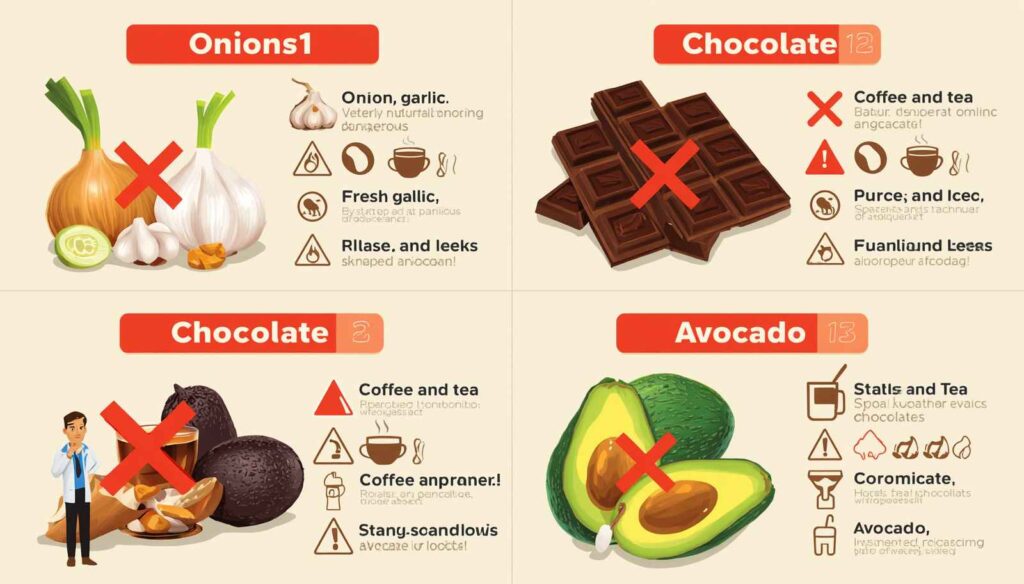
This is the section worth bookmarking:
| Food | Why It’s Dangerous |
|---|---|
| Grapes / raisins | Can cause sudden kidney failure |
| Onions / garlic / leeks | Toxic to red blood cells |
| Chocolate | Theobromine is toxic; dark chocolate is worst |
| Xylitol (artificial sweetener) | Causes rapid blood sugar drop, liver failure |
| Macadamia nuts | Causes weakness, tremors, vomiting |
| Avocado | Persin can cause vomiting and diarrhoea |
| Alcohol | Even small amounts are toxic |
| Cooked bones | Splinter and can cause internal injury |
| Caffeine (coffee, tea) | Toxic to heart and nervous system |
| Nutmeg | Can cause seizures in large amounts |
One thing competitors often miss: cooked bones are dangerous, even if raw bones are sometimes recommended. Cooking makes bones brittle — they splinter into sharp pieces that can puncture the digestive tract. If you give bones, they should be raw and size-appropriate for your dog.
What About Puppies?
Puppies can eat many of the same safe human foods as adult dogs, but in smaller amounts and with more caution. Their digestive systems are still developing, so introduce any new food slowly — start with a tiny piece and watch for reactions over 24 hours.
Avoid high-fat or high-sugar foods entirely for puppies. Their nutritional needs are more specific than adult dogs, so human food should be an occasional treat, not a regular supplement to their diet until they’re fully grown.
How Much Human Food Is Actually Okay?
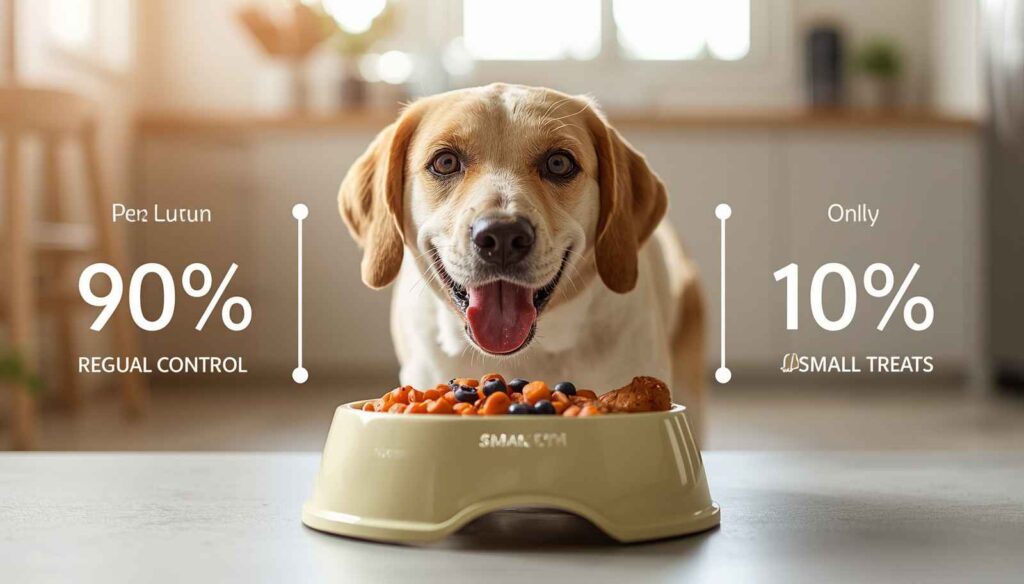
A good rule of thumb: treats — including human food — should make up no more than 10% of your dog’s daily calories. The other 90% should come from their balanced dog food.
For a medium-sized dog (around 15kg), that’s roughly a small handful of food total per day as extras. It’s easy to overdo it, especially with calorie-dense foods like cheese or peanut butter.
If your dog is overweight, stick to low-calorie options like carrot sticks, cucumber, or green beans as treats.
How to Introduce New Foods Safely
The smartest approach is to treat any new human food like an experiment:
- Give a very small amount first — think one blueberry, one carrot stick
- Wait 24 hours and watch for vomiting, diarrhoea, itching, or unusual behaviour
- If no reaction, it’s likely safe for your dog in moderation
- Introduce one new food at a time so you can identify any problem clearly
Some dogs have individual allergies or sensitivities that don’t match the general rules. A food that’s safe for most dogs might not agree with yours.
Signs Your Dog Ate Something They Shouldn’t Have
Act quickly if you notice:
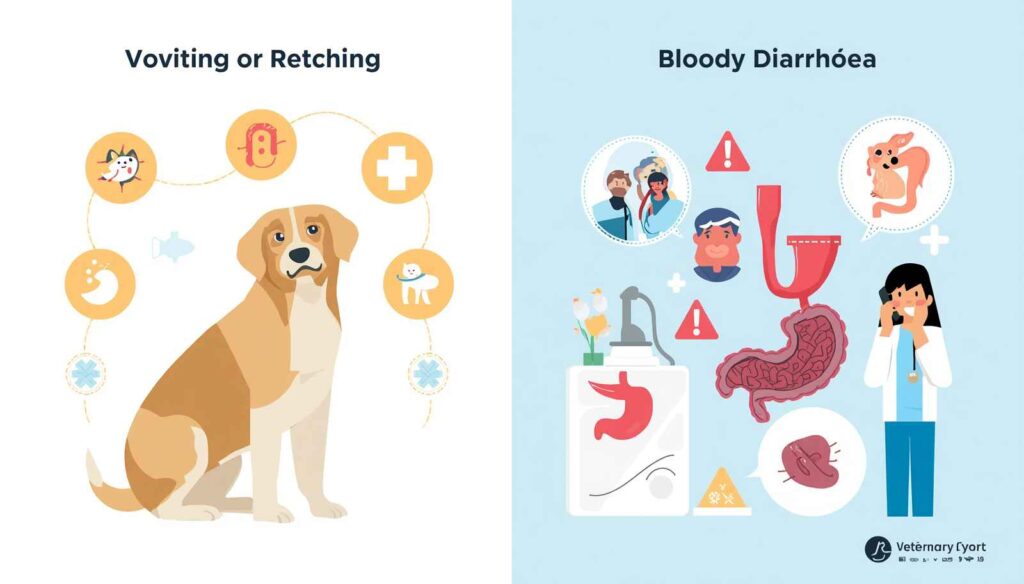
- Vomiting or retching
- Diarrhoea, especially bloody diarrhoea
- Excessive drooling or pawing at the mouth
- Lethargy or sudden weakness
- Tremors or seizures
- Swollen abdomen
- Pale or yellow gums
If you suspect your dog ate something toxic, don’t wait to see if it gets better. Contact your vet immediately, or in Australia call the Animal Poisons Helpline (1300 869 738), in the UK call the Animal Poison Line (01202 509000), or in Canada reach your nearest emergency vet.
A Better Alternative: Building Healthy Habits
Rather than sharing random bites of your meal, the healthiest approach is to designate specific dog-safe human foods as intentional treats. Prep a small bag of carrot sticks or apple slices at the start of the week. Use plain boiled chicken as a high-value training reward.
This way, your dog gets variety and enrichment, you know exactly what they’re eating, and you’re not accidentally feeding them something that was cooked with garlic or onion powder.
FAQ: What Human Food Can Dogs Eat?
1.Can dogs eat leftovers from my dinner?
It depends entirely on what’s in the dish. Plain grilled chicken? Yes. Chicken tikka masala? No — the spices, garlic, and onion make it unsafe. Scan the ingredients before sharing anything from a cooked meal.
2.Is it okay to feed my dog human food every day?
In small amounts as part of a balanced diet, yes — certain foods like plain cooked chicken, carrots, or eggs can be part of a healthy routine. But human food shouldn’t replace commercial dog food unless you’re working with a vet on a home-prepared diet plan.
3.My dog ate a small piece of onion. Should I panic?
A tiny accidental amount may not cause serious harm in a large dog, but onion is genuinely toxic and you should call your vet to be safe. The danger is cumulative — regular small amounts build up and can cause anaemia over time.
4.Can dogs eat peanut butter from any brand?
Not safely. You must check the label for xylitol (also called birch sugar or E967). Several brands in the UK and Australia now include it. If it’s listed in the ingredients, do not give it to your dog under any circumstances.
5.What’s the safest human food treat for a dog that has a sensitive stomach?
Plain boiled white rice, plain cooked chicken, and plain cooked pumpkin are the three most commonly recommended foods for dogs with sensitive digestion. These are what most vets suggest when a dog has diarrhoea or is recovering from illness.
6.Can dogs eat bread?
Plain white or wholemeal bread in small amounts is generally safe but offers no real nutritional benefit. Never give bread with raisins, nuts, garlic, or onion. Raw bread dough is dangerous — the yeast continues rising in a dog’s stomach.
7.Are all nuts dangerous for dogs?
Not all — plain unsalted peanuts are fine in small amounts. But macadamia nuts are toxic, walnuts can cause digestive issues, and all nuts are high in fat. It’s safer to stick to peanut butter (xylitol-free) and skip whole nuts altogether.
The Bottom Line
Sharing food with your dog isn’t inherently bad — it’s actually a lovely way to bond, and some human foods are genuinely healthy for them. The key is knowing which foods are safe, keeping portions small, and always serving things plain without seasoning or sauces.
When in doubt, the simplest test is: is it plain, unseasoned, and from the safe list? If yes, a small amount is almost certainly fine. If you’re not sure, skip it and offer a carrot instead. Your dog won’t hold it against you.
And if your dog ever eats something you’re worried about, always call your vet — it’s always better to check than to wait.
#. Related Articles: