
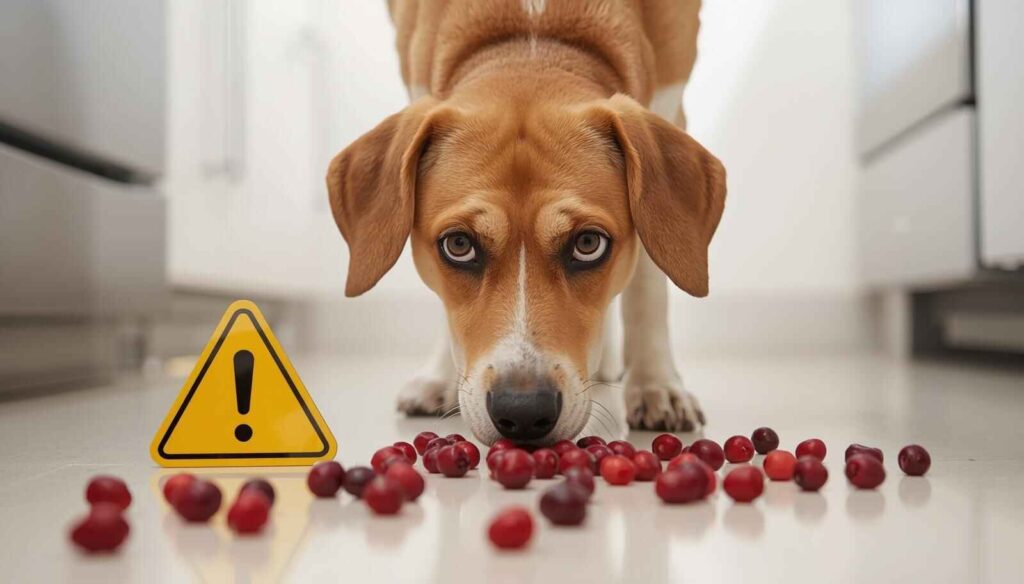
You’re snacking on cranberries, your dog gives you the look, and suddenly you’re wondering — are cranberries bad for dogs, or is it fine to share a few?
It’s a fair question, and the answer isn’t simply yes or no. Cranberries sit in that grey zone where the fruit itself is non-toxic to dogs, but how you serve it, how much you give, and what form it’s in can make all the difference between a harmless treat and a tummy upset.
Let’s break it all down — properly, without the fluff.
Can Dogs Eat Cranberries?
Yes, dogs can eat plain, fresh cranberries in small amounts. They’re not toxic like grapes or raisins, and they won’t cause immediate harm if your dog snaffles one off the floor.
That said, cranberries are naturally tart and slightly bitter. Most dogs aren’t thrilled about the taste, and some will turn their nose up completely. If your dog does enjoy them, great — but moderation is key.
Are Cranberries Actually Good for Dogs?
Here’s where it gets interesting. Cranberries do carry some genuine nutritional benefits, but they’re not a magic superfood for your pup.
Nutritional Highlights
- Vitamin C – supports immune health and acts as an antioxidant
- Vitamin E – good for skin, coat, and cell health
- Fibre – supports healthy digestion in small quantities
- Manganese – helps with bone development and metabolism
- Antioxidants – may help reduce cellular damage and inflammation
These are all good things, but here’s the honest truth: your dog’s complete commercial diet already covers most of these bases. Cranberries are a bonus, not a necessity.

What About Cranberries and UTIs in Dogs?
You’ve probably heard that cranberries help prevent urinary tract infections in humans. Many dog owners ask the same — can cranberries help dogs with UTIs?
The research is promising but not conclusive. Cranberries contain compounds called proanthocyanidins (PACs), which may prevent certain bacteria from sticking to the bladder wall. Some vets suggest cranberry supplements as a supportive measure for dogs prone to UTIs.
Important: Cranberries are not a treatment for an active UTI. If your dog is showing signs of a urinary infection — straining to wee, frequent urination, blood in urine, whimpering — get them to a vet. Don’t try to treat it with fruit.
When Are Cranberries Bad for Dogs?
This is where most owners go wrong. Cranberries themselves aren’t the problem — it’s usually the form or quantity that causes issues.
1. Dried Cranberries
Dried cranberries are much higher in sugar than fresh ones. Many commercial dried cranberries also contain added sugar, which isn’t good for dogs. Too much sugar contributes to weight gain, dental problems, and can worsen conditions like diabetes.
Some dried cranberry products are mixed with raisins — and raisins are toxic to dogs. Always check the label before sharing anything with your dog.
Verdict: Occasional plain dried cranberries in tiny amounts are unlikely to cause harm, but they’re not a treat worth making a habit of.
2. Cranberry Juice
Most cranberry juice sold in supermarkets is loaded with added sugar and sweeteners. Some may contain xylitol — an artificial sweetener that is extremely toxic to dogs, even in very small amounts.
Plain, unsweetened, 100% cranberry juice is technically not harmful in tiny drops, but there’s really no good reason to give it to your dog. Water is always the better option.
Verdict: Skip cranberry juice entirely unless it’s plain and unsweetened, and even then, it’s not necessary.
3. Cranberry Sauce
Whether it’s homemade or the tinned stuff at Christmas — cranberry sauce is a no-go for dogs. It’s packed with sugar, often contains orange zest, spices, or other ingredients that can upset your dog’s stomach.
Verdict: Never share cranberry sauce with your dog, even as a festive treat.
4. Cranberry Baked Goods
Cranberry muffins, bread, or cookies often contain sugar, raisins, macadamia nuts, chocolate chips, or xylitol. Any of these ingredients can be harmful or even fatal to dogs.
Verdict: Keep baked goods out of reach and never share them.

How Many Cranberries Can I Give My Dog?
Less than you think. Cranberries should be an occasional treat, not a daily addition to their bowl.
A rough guide by size:
- Small dogs (under 10kg): 1–2 fresh cranberries, 2–3 times a week at most
- Medium dogs (10–25kg): 3–5 fresh cranberries as an occasional treat
- Large dogs (25kg+): Up to 8–10 fresh cranberries occasionally
Always introduce any new food slowly. Give one or two to start, watch for any digestive upset over 24 hours, then proceed with caution.
How to Safely Give Your Dog Cranberries
If you want to offer cranberries as a treat, here’s how to do it right:
- Use fresh or frozen, plain cranberries only — no added sugar or flavouring
- Wash them thoroughly before serving
- Cut them in half for small dogs to prevent any choking risk
- Never mix with other fruits unless you’ve confirmed they’re dog-safe
- Avoid giving them daily — treats of any kind should make up no more than 10% of your dog’s daily calorie intake
You can also mix a few into plain yoghurt (no xylitol), freeze them as summer treats, or use them as training rewards if your dog enjoys the taste.
What About Cranberry Supplements for Dogs?
Cranberry supplements designed for dogs are a different matter to fresh fruit. These are formulated specifically for canine use and are often recommended by vets for dogs that experience recurring urinary issues.
Look for supplements that:
- Are specifically labelled for dogs
- List the PAC (proanthocyanidin) content
- Contain no xylitol, artificial sweeteners, or unnecessary fillers
- Have clear dosing guidance based on your dog’s weight
Don’t just give your dog human cranberry capsules — the dosage, formulation, and additives can be very different. Always check with your vet before starting any supplement routine.

My Dog Ate a Lot of Cranberries — What Do I Do?
If your dog got into a bag of fresh cranberries, don’t panic. A larger quantity of plain fresh cranberries is unlikely to cause serious harm, but it may cause:
- Loose stools or diarrhoea
- Vomiting
- Stomach gurgling or discomfort
Monitor them for 12–24 hours. Make sure they have access to fresh water. If symptoms are severe, persistent, or your dog seems lethargic or in pain, call your vet.
If they’ve eaten dried cranberries mixed with raisins, or anything containing xylitol — call your vet immediately. Don’t wait to see if symptoms develop.
Safe Fruit Alternatives to Cranberries
If your dog isn’t keen on cranberries, or you’d rather play it safe, there are plenty of other dog-friendly fruits to try:
- Blueberries – great antioxidant treat, most dogs love them
- Watermelon (seedless, no rind) – hydrating and sweet
- Apple slices (no seeds or core) – crunchy and satisfying
- Strawberries – sweet, high in vitamin C
- Banana – good source of potassium, give in small amounts due to sugar
Always introduce new fruits gradually and in moderation.
FAQ: Cranberries and Dogs
1.Are cranberries toxic to dogs?
No, plain cranberries are not toxic to dogs. They’re safe in small amounts, but the form matters — avoid dried cranberries with raisins, cranberry juice with sweeteners, and anything containing xylitol.
2.Can puppies eat cranberries?
It’s best to avoid giving cranberries to puppies. Their digestive systems are still developing, and the tartness and acidity can cause unnecessary stomach upset. Stick to puppy-specific food and treats.
3.Can dogs eat frozen cranberries?
Yes — plain frozen cranberries are fine and can actually be a refreshing summer treat for dogs. Just make sure they’re plain with no added sugar or flavouring.
4.Will cranberries cure my dog’s UTI?
No. Cranberries may support urinary tract health, but they will not treat an active infection. Always see your vet for a proper diagnosis and treatment.
5.How often can I give my dog cranberries?
A few fresh cranberries 2–3 times per week is plenty. They’re a treat, not a dietary staple.
6.Are cranberry dog treats safe?
Most commercial cranberry dog treats are formulated to be safe, but always check the ingredient list for xylitol, raisins, or excessive sugar. Choose reputable brands with transparent ingredients.
7.Can dogs eat cranberries every day?
It’s not recommended. Daily fruit consumption — even safe fruits — can add unnecessary sugar and fibre to your dog’s diet. Variety and moderation is always the better approach.
The Bottom Line
Are cranberries bad for dogs? In their plain, fresh form — no, they’re not bad. They’re a low-calorie, antioxidant-rich snack that most dogs can enjoy occasionally without any issues.
The real risks come from cranberry products that contain added sugar, artificial sweeteners, or toxic mix-ins like raisins. Stick to fresh or frozen, keep portions small, and you’re unlikely to run into problems.
When in doubt, your vet is always the best first call — especially if your dog has underlying health conditions or you’re considering cranberry supplements for urinary health.
A happy, healthy dog doesn’t need cranberries. But a few now and then? Totally fine.
#. Related Articles: