
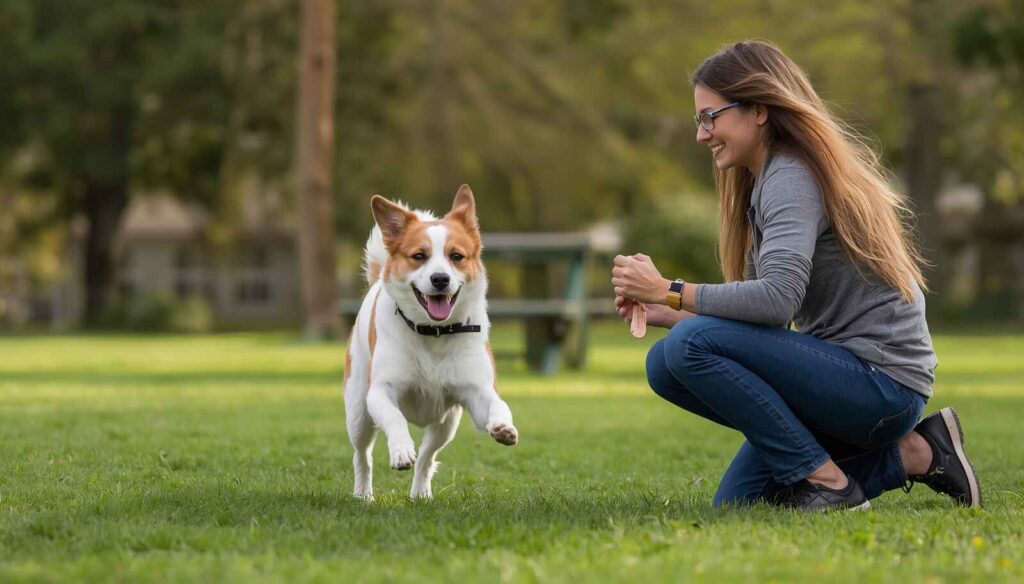
You call your dog’s name. They glance over, lock eyes with you… and trot off in the opposite direction.
Sound familiar? You’re not alone. Teaching a dog to come when called — also known as recall — is one of the most important skills you’ll ever work on together. It could literally save your dog’s life one day.
The good news? It’s absolutely teachable. Even if your dog currently treats “come” like a polite suggestion they’re free to ignore, this guide will walk you through exactly how to fix that — step by step, in plain language.
Why Recall Training Is More Than Just a Party Trick
Before we get into the “how,” let’s talk about the “why” — because understanding this changes how seriously you’ll take training.
A reliable recall means your dog comes back to you every single time, no matter what’s going on around them. That squirrel? Doesn’t matter. That other dog? Still comes back. That fascinating smell near the road? Comes back.
This isn’t just about obedience. It’s about safety. Dogs that bolt near traffic, disappear in parks, or chase after cyclists are at real risk. A solid recall is your emergency brake.
It also gives your dog more freedom, not less. Dogs with reliable recall get longer off-lead walks, more adventures, more trust. It’s a win for both of you.
The Golden Rule Before You Start: Make Coming Back the Best Thing Ever
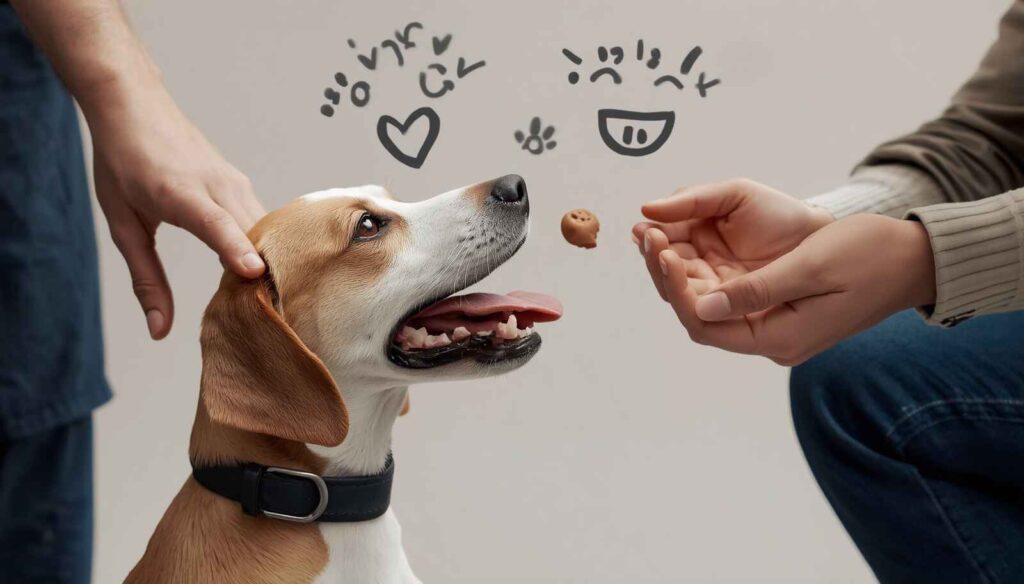
Here’s where most owners go wrong before they’ve even begun: they unknowingly teach their dog that “come” means something bad.
Called your dog to clip their nails? Bath time? End of a walk? Every time “come” leads to something the dog doesn’t like, they learn to hesitate. Or flat-out ignore you.
So before you train a single step, make a promise to yourself: coming to you should always feel like winning the lottery for your dog.
That means treats, praise, a toy, a fuss — whatever your dog goes absolutely wild for. Never punish a dog for coming to you, even if they took forever to get there.
Step-by-Step: How to Teach Your Dog to Come When Called
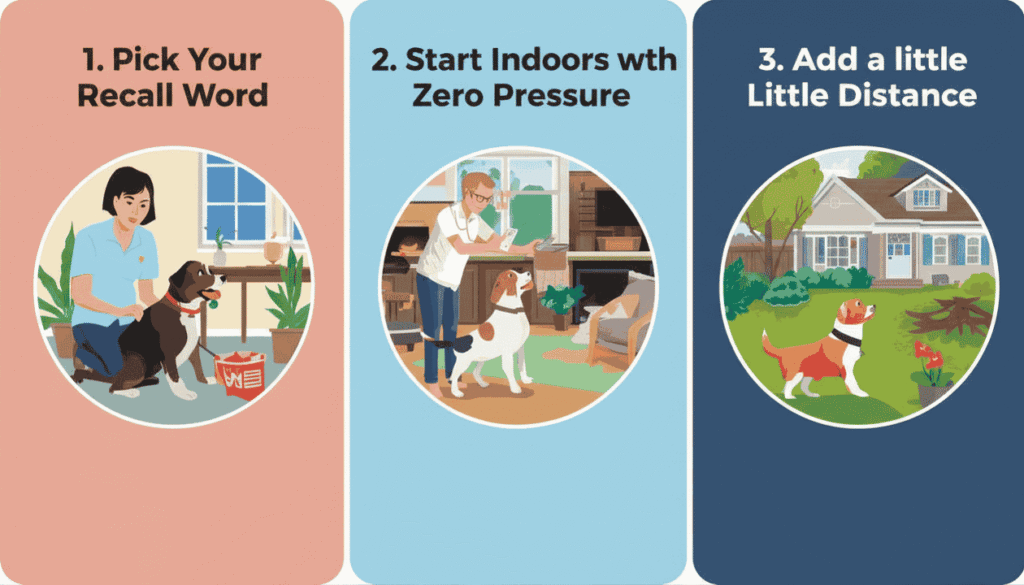
Step 1 — Pick Your Recall Word (and Stick With It)
Choose one word or phrase and use it consistently. “Come,” “here,” “close” — whatever works for you. Some trainers use a whistle instead, which has one big advantage: it sounds the same every time, unlike a human voice that changes when you’re frustrated.
Important tip: If you’ve been saying “come” for months and your dog ignores it, that word might already be “poisoned” — they’ve learned it doesn’t mean anything. Choose a fresh word and start clean.
Step 2 — Start Indoors With Zero Pressure
Begin in a quiet room with no distractions. Get down low (crouch or sit on the floor). Say your recall word in a happy, upbeat voice — not a command bark, more like you’ve just discovered something amazing.
The moment your dog wanders over to sniff at you, mark it with a “yes!” or a clicker, and reward with a treat or quick game. Keep sessions to 3–5 minutes. End while it’s still fun.
You’re building a reflex here — hear the word, run to the human, good things happen.
Step 3 — Add a Little Distance
Once your dog is coming reliably in the same room, start moving further away. Walk into the next room, then call. Practice across the garden. Practise while they’re distracted by a toy.
Vary your energy too. Sometimes crouch and open your arms. Sometimes run backwards (dogs love to chase). Make yourself the most interesting thing in the room.
Step 4 — Introduce a Long Line Outdoors
This is a step many owners skip — and it’s a big mistake. Before your dog is ready for off-lead freedom, use a long training lead (5–10 metres) in the garden or a secure outdoor space.
The long line isn’t for yanking your dog back. It’s a safety net. It means they can’t self-reward by running off when you call, which would teach them that ignoring you works.
Let your dog explore, then call them back. Big reward. Let them go back to sniffing. Call again. You’re teaching them that recall doesn’t mean “playtime is over.”
Step 5 — Build Up Distractions Gradually
This is where patience pays off. Add distractions slowly:
- Another person in the garden
- A ball rolling past
- Another dog nearby (on lead, at a distance)
- The smell of food nearby
Each new distraction is a new level. Your dog needs to be reliable at one level before moving to the next. Pushing too fast is the most common reason recall training stalls.
Step 6 — Practise in Real Life, Every Day
Recall isn’t just a “training session” skill. Weave it into daily life:
- Call your dog for dinner (instead of just placing the bowl down)
- Recall them before putting the lead on — then let them sniff for a few more minutes before you actually go
- Randomly recall during walks, give a treat, then release them again
That last one is huge. Most dogs learn that “come” means the fun ends. If you recall, reward, and then send them off to play again regularly, they stop dreading the word.
Common Recall Problems (And How to Fix Them)
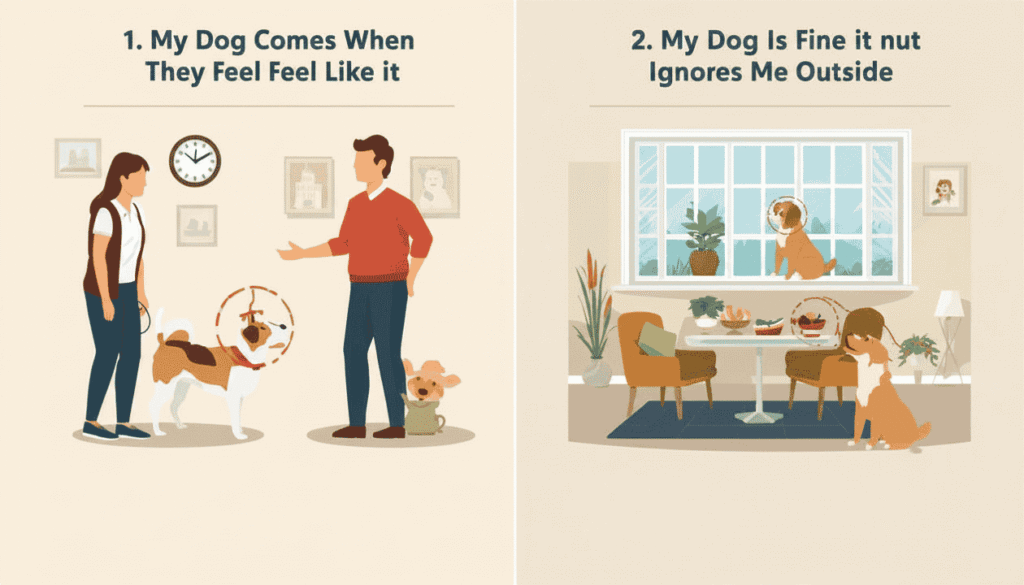
“My dog comes when they feel like it”
This usually means the reward isn’t high enough, or distractions are too intense. Go back to easier environments and level up more slowly. Also check your recall word — it may need a fresh start.
“My dog comes close, then darts away at the last second”
They’ve learned that getting close ends the fun. Practice the “touch” game: ask your dog to touch your hand with their nose, reward, then release. Do this repeatedly before working on full recall.
“My dog is fine at home but ignores me outside”
The outdoors is just too exciting compared to your reward. You need higher-value treats (think small pieces of chicken, cheese, or sausage — not dry kibble) and you need to practice in low-distraction outdoor spaces before building up. A park on Saturday afternoon is not the place to practice recall with a beginner dog.
“My dog is older — can they still learn this?”
Absolutely. Dogs of any age can learn recall. It just may take a little longer to overwrite old habits. Stay consistent, keep sessions short and positive, and you’ll get there.
Tips to Make Your Recall Rock-Solid
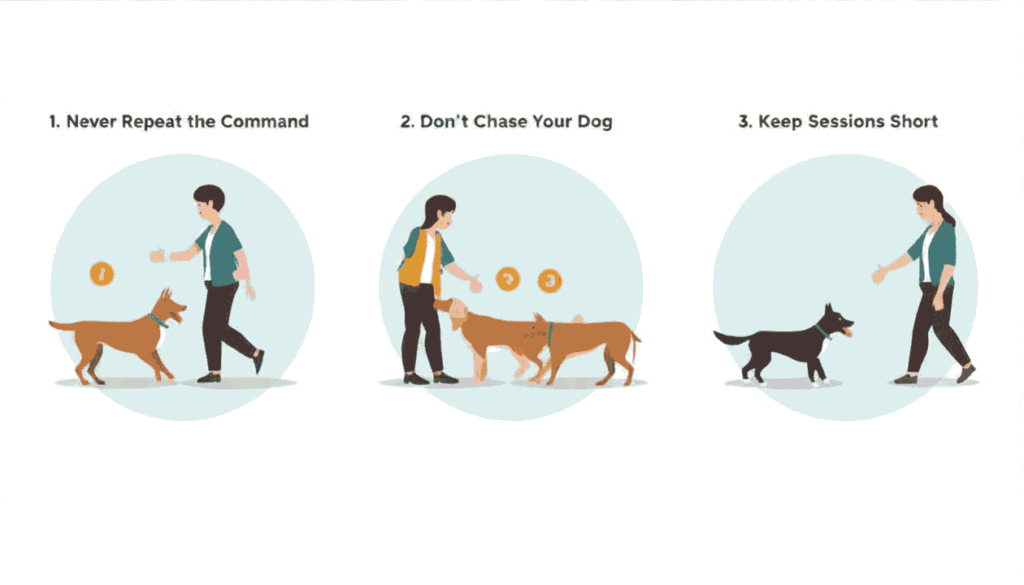
- Never repeat the command. Saying “come, come, COME” teaches your dog they have multiple chances before it matters. Say it once, clearly, then go get them if needed.
- Don’t chase your dog if they don’t respond — run away from them instead. Most dogs will chase you instinctively.
- Vary your rewards. Use the best treats for the hardest situations. Save that bit of roast chicken for the dog park.
- Keep sessions short. Five focused minutes beats 30 frustrating ones.
- End on a win. Always finish when your dog has just succeeded, not when they’ve just failed.
- Be boring on purpose sometimes. Let your dog run around, then call them, give a small treat, and release again. Keep them guessing.
FAQ: Teaching Your Dog to Come When Called
1.How long does it take to teach a dog to come when called?
Most dogs can learn the basics in 1–2 weeks with daily practice. But a truly reliable recall — one that works in a busy park around other dogs — can take 3–6 months of consistent training. Be patient. The payoff is worth it.
2.What’s the best age to start recall training?
The sooner the better. You can start teaching a puppy recall from 8 weeks old using very short, playful sessions. That said, older dogs can learn it too — age is no barrier.
3.What treats work best for recall training?
Use something your dog goes absolutely wild for. Cooked chicken, cheese, hot dog slices, or liver treats tend to be winners. Dry kibble rarely cuts it when there are distractions around. Save the best treats for recall specifically so it stays special.
4.Should I use a whistle instead of a word?
A whistle can be very effective, especially for dogs who’ve already learned to tune out their owner’s voice. It also carries further and sounds the same regardless of your mood. You can pair a whistle with word recall — they complement each other well.
5.What if my dog’s recall is great at home but terrible off lead in public?
This is a gap between training environments, not a sign your dog is stubborn. Go back to basics in low-distraction outdoor spaces using a long lead, then very gradually introduce more stimulating environments. Don’t skip steps.
6.Is it okay to use a long training lead forever?
Many experienced owners keep a long lead as a standard tool on certain walks — there’s no shame in it. It keeps your dog safe while they continue to build trust. Think of it as L-plates, not a failure.
7.My dog comes, gets a treat, then immediately runs off. Is that okay?
Yes! That’s actually the goal at first — come, reward, release. You want your dog to learn that recall doesn’t mean the end of freedom. Over time, you can work on the dog staying by your side longer before being released.
A Quick Note on Recall and Safety (Especially in the UK, Australia & Canada)
Laws around dogs off-lead vary by region. In many parts of the UK, Australia, and Canada, you’re legally required to have control of your dog in public spaces — and a dog that ignores your call isn’t considered under control, even if they’re “friendly.”
Beyond the legal side, a reliable recall is just good dog ownership. It keeps your dog safe, keeps other people comfortable, and keeps wildlife protected. Worth every minute of training.
Final Thoughts
Teaching your dog to come when called isn’t about dominance or making them obey. It’s about building a relationship where your dog wants to come back to you — because you’re fun, you’re safe, and coming back always leads to something good.
Start simple. Be consistent. Celebrate every small win. And remember: every dog is different. Some pick this up in days, others take months. That’s okay. What matters is that you keep going.
The day your dog comes sprinting back to you across a field, ears flying, completely ignoring a squirrel in the distance — you’ll know every minute of practice was absolutely worth it.
1. How to Train a Puppy to Pee Outside?
2. How to Crate Train a Puppy at Night?