Picture this: your dog finishes a meal, and within minutes they’re gagging, retching, or just looking visibly uncomfortable. You wonder — is it the food? The speed? Or maybe… the bowl itself?
If you’ve ever asked yourself are elevated dog bowls better for dogs, you’re not alone. It’s one of the most Googled pet questions in the UK, Canada, and Australia — and the answer isn’t a simple yes or no.
The truth depends on your dog’s size, breed, age, and health. This guide breaks it all down, so you can make the right call for your dog — not someone else’s.
What Is an Elevated Dog Bowl, Exactly?
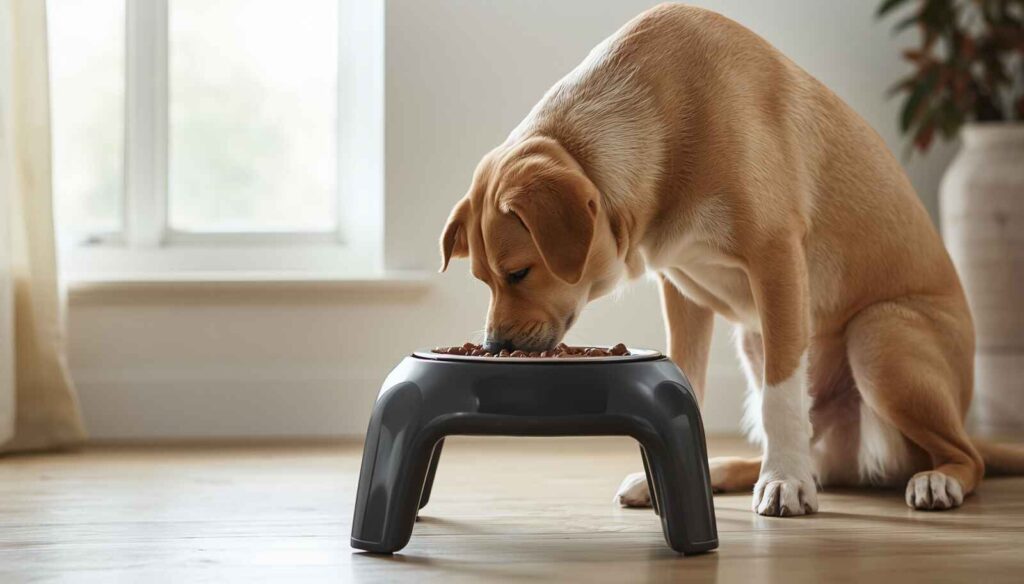
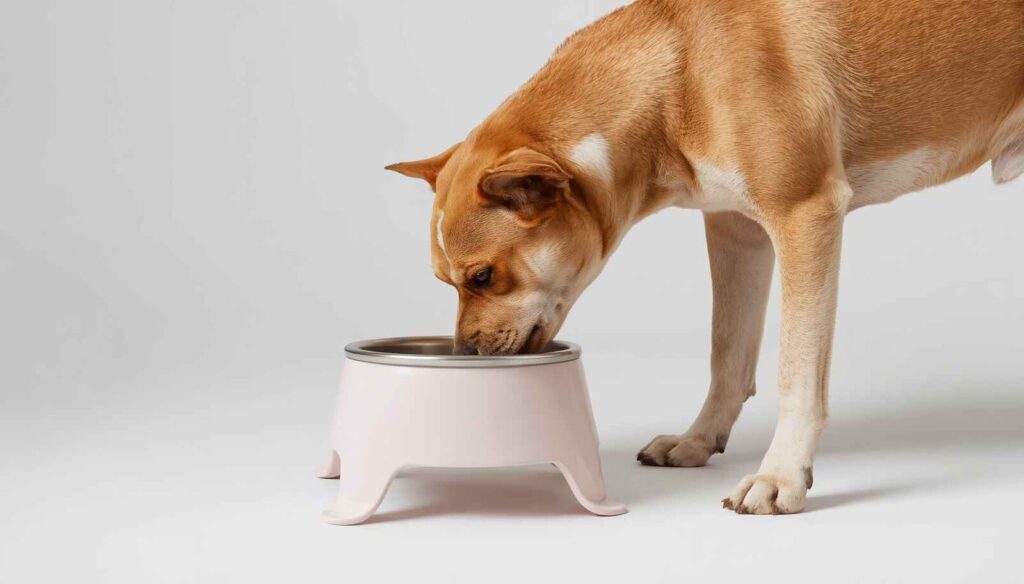
An elevated dog bowl (also called a raised feeder) sits on a stand or frame that lifts the bowl off the floor. Instead of your dog bending all the way down to eat, the food comes up to meet them at a more natural neck height.
They come in all shapes — wooden stands, adjustable metal frames, built-in double bowls — and can raise the bowl anywhere from 10 cm to 40+ cm off the ground.
Simple concept. But the effects on your dog? That’s where it gets interesting.
The Real Benefits of Raised Dog Bowls (When Used Correctly)
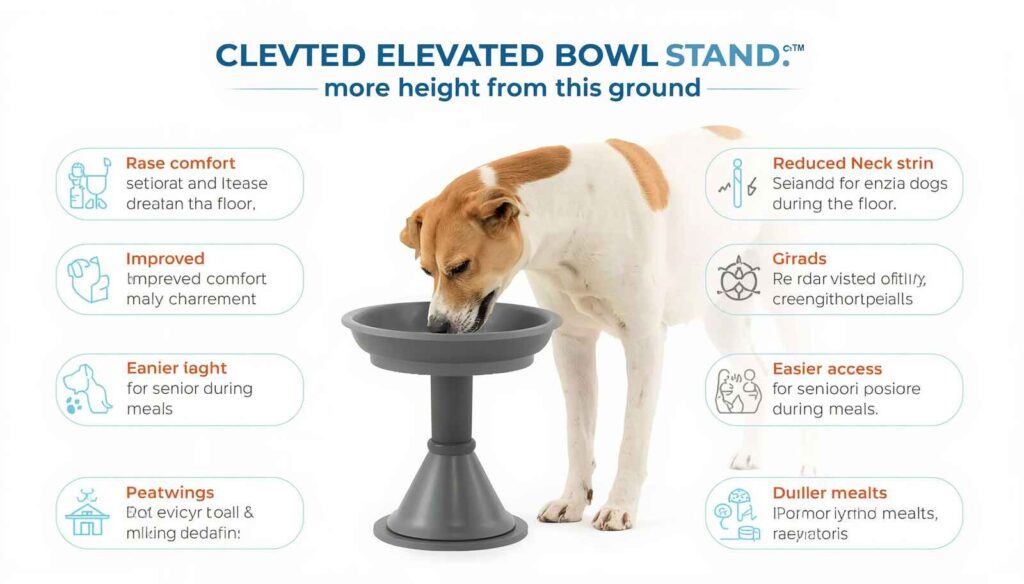
1. Less Strain on the Neck, Back, and Joints
When a dog eats from a floor-level bowl, they have to lower their head and neck significantly — sometimes for several minutes per meal, twice a day, every single day.
For large breeds like Labradors, German Shepherds, or Golden Retrievers, that repeated downward stretch puts real stress on the cervical spine and front joints. Over years, it can contribute to stiffness and discomfort, especially in dogs already prone to arthritis.
An elevated bowl brings the food up to a more natural position — similar to how a dog would eat standing in the wild. It reduces that daily strain, meal after meal.
This matters most for:
- Large and giant breed dogs (over 25 kg)
- Senior dogs with existing joint issues or arthritis
- Dogs recovering from neck or spine injuries
2. Easier Swallowing for Some Dogs
Dogs with megaoesophagus (a condition where the oesophagus can’t push food down properly) are often prescribed elevated or even vertical feeders by vets. Gravity helps food move toward the stomach more effectively.
Similarly, dogs with throat or swallowing issues can find it physically easier to eat when their head isn’t completely bowed down.
That said, this is a medical situation — if your dog struggles to swallow or regurgitates food regularly, speak to your vet before changing their bowl setup.
3. It Can Slow Down Fast Eaters (With the Right Setup)
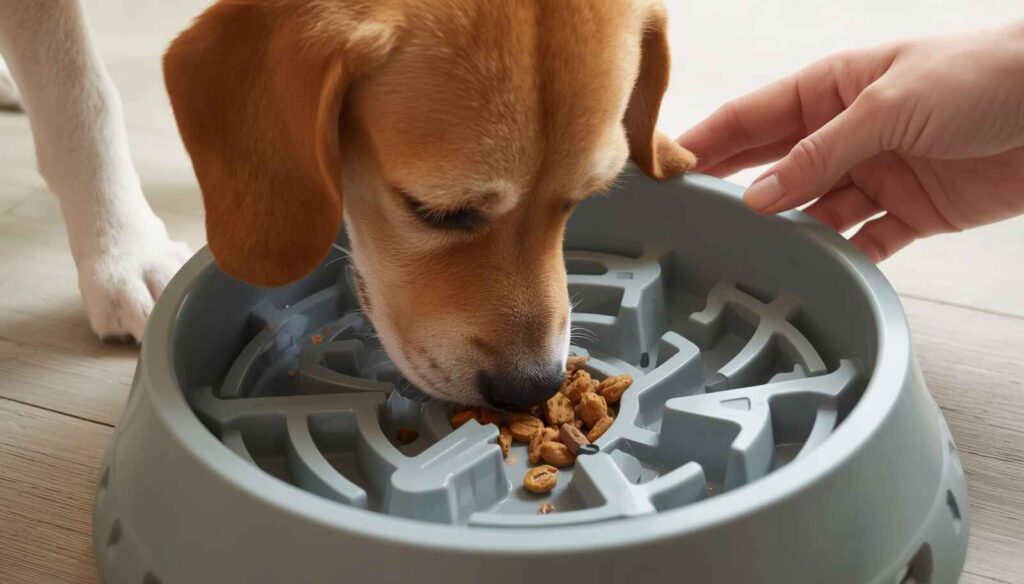
Some dogs are absolutely ravenous. They inhale food like they haven’t eaten in weeks. A raised bowl, especially one with a built-in slow feeder insert, can naturally encourage a slightly more deliberate eating position that slows the gulping.
This isn’t a guaranteed fix for speed-eating — you’d still want a slow feeder bowl for that — but it’s a useful added benefit.
4. Cleaner Feeding Area
Let’s be real: dogs are messy. Water splashes, kibble gets nudged across the floor, and somehow food ends up three feet from the bowl.
A raised feeder with a non-slip base tends to stay in place better than a bowl sitting loose on tiles or laminate. Some elevated feeders also have a lip or tray that catches stray kibble and water, making clean-up quicker.
For anyone with a dog that turns mealtimes into a floor disaster, this is genuinely useful.
5. Accessibility for Senior Dogs and Flat-Faced Breeds
Older dogs with stiff legs or limited mobility can really struggle to lower themselves to a ground-level bowl. An elevated feeder makes eating physically easier and more comfortable — similar to how a raised toilet seat helps elderly people.
Flat-faced (brachycephalic) breeds like Bulldogs, Pugs, and French Bulldogs also benefit. Their squished facial structure makes it harder to eat with their nose pointed directly downward. A slight elevation makes the whole process much more comfortable.
The Risks You Need to Know About
Here’s where we have to be honest — because some sources skip over this entirely.
Bloat: The Serious One
Gastric Dilatation-Volvulus (GDV), commonly known as bloat, is a life-threatening condition where the stomach fills with gas and twists. It can be fatal within hours.
For years, elevated bowls were recommended to prevent bloat. Then research flipped the script.
A well-known study published in the Journal of Veterinary Internal Medicine found that in large and giant breed dogs, using raised feeders was actually associated with a higher risk of bloat — not lower.
The scientific community hasn’t reached a definitive conclusion yet, but this is significant enough that many vets now advise against elevated feeders for deep-chested, large breeds that are already at risk of GDV — breeds like Great Danes, Weimaraners, Standard Poodles, and Dobermans.
If your dog is a large, deep-chested breed, talk to your vet specifically about bloat risk before switching to a raised bowl.
Overeating Can Get Worse
Some dogs eat more comfortably from elevated bowls — which sounds positive, but if your dog is already overweight or prone to eating too fast, making mealtimes physically easier can backfire.
Pair any bowl change with monitoring how quickly and how much your dog eats.
Not Every Dog Actually Needs One
Small dogs, healthy adult dogs with no joint issues, and medium breeds eating normally from floor-level bowls? They’re probably fine as they are.
Elevated feeders solve specific problems. If your dog doesn’t have those problems, you don’t need to spend £40–£100 on a fancy stand.
How to Choose the Right Height (This Is Where Most People Go Wrong)
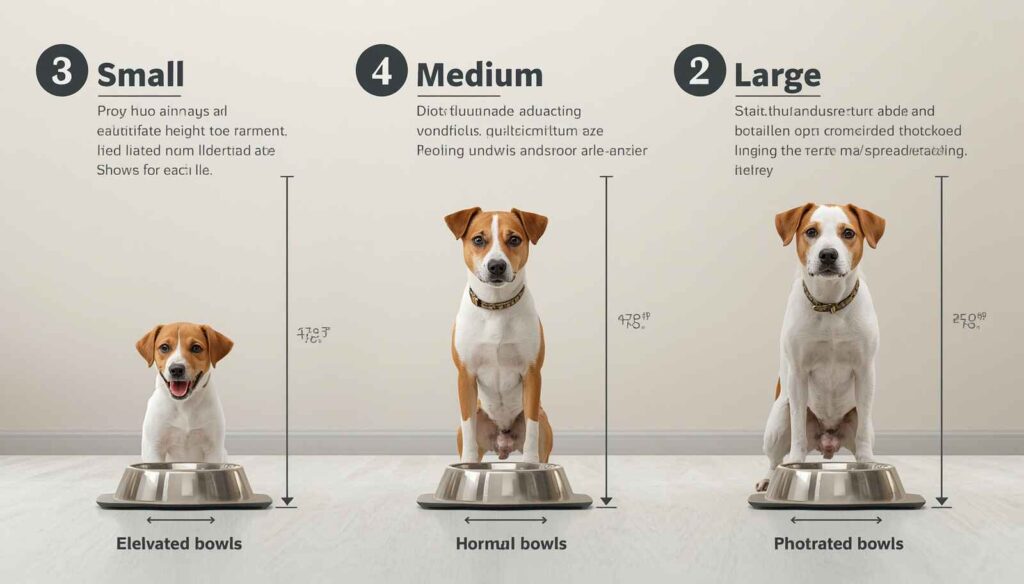
If you do decide an elevated bowl is right for your dog, height matters enormously. Too low and you’ve gained nothing. Too high and you’ve created new strain on the upper neck.
Simple rule of thumb: The bowl should sit roughly at your dog’s chest height — or about 15 cm below their withers (the top of their shoulders).
| Dog Size | Approximate Bowl Height |
|---|---|
| Small (under 10 kg) | 10–20 cm |
| Medium (10–25 kg) | 20–30 cm |
| Large (25–45 kg) | 30–40 cm |
| Giant (over 45 kg) | 40+ cm |
Adjustable stands are ideal because you can tweak the height as your dog grows (great for puppies) or as their mobility changes with age.
Which Dogs Should Use Elevated Bowls — and Which Shouldn’t?
Good candidates:
- Large and giant breeds with joint or arthritis issues
- Senior dogs with mobility limitations
- Dogs diagnosed with megaoesophagus (vet-prescribed)
- Flat-faced breeds that struggle to reach a ground bowl comfortably
- Dogs with neck or spinal injuries (on vet advice)
Proceed carefully or avoid:
- Deep-chested large breeds prone to bloat (GDV risk — always consult vet first)
- Small and medium dogs with no health issues
- Dogs that already eat too fast without a slow feeder
- Puppies of giant breeds (their musculoskeletal development needs careful management)
Practical Tips Before You Switch
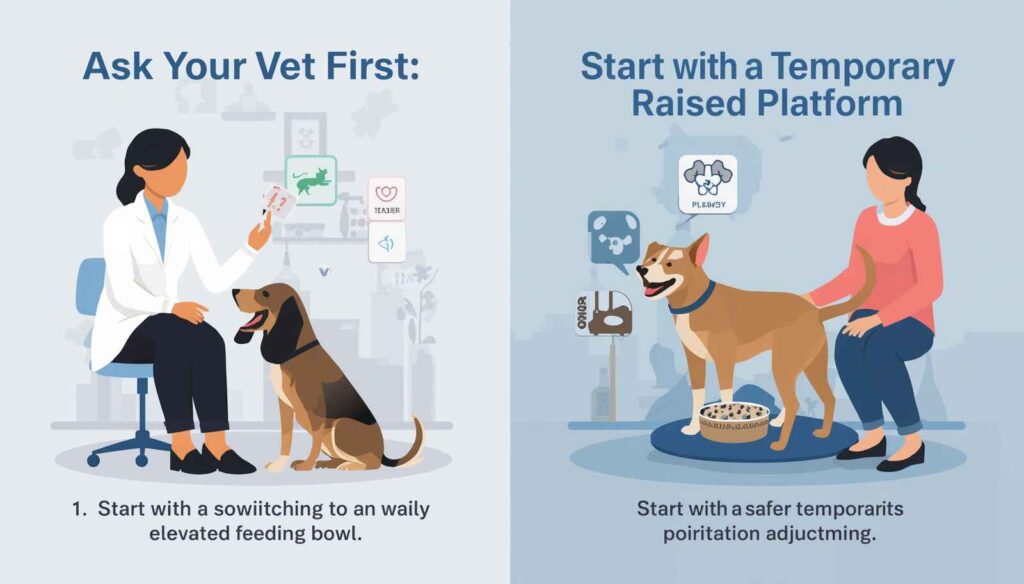
- Ask your vet first if your dog is large, deep-chested, or has any existing health conditions.
- Start with a temporary raised platform (like a sturdy step stool) before buying an expensive stand — see how your dog responds.
- Watch your dog eat for the first week after switching. Look for any changes in comfort, swallowing, or post-meal behaviour.
- Choose stability over aesthetics. A wobbly stand that tips mid-meal is worse than a floor bowl. Make sure the feeder has a non-slip base and doesn’t rock.
- Clean regularly. Elevated bowls can accumulate grime in the stand joints. Pick a design that’s easy to fully disassemble and wash.
Frequently Asked Questions
1.Do vets recommend elevated dog bowls?
It depends on the dog. Vets often recommend them for senior dogs, large breeds with joint problems, and dogs with certain medical conditions like megaoesophagus. But for large, deep-chested breeds prone to bloat, many vets now advise against them. There’s no one-size-fits-all answer.
2.Can elevated bowls cause bloat in dogs?
Research suggests there may be a link between raised feeders and increased bloat risk in large, deep-chested breeds. This doesn’t mean they cause bloat directly, but the correlation is strong enough to take seriously. Always consult your vet if your dog is a high-risk breed.
3.At what height should a dog bowl be elevated?
Roughly at your dog’s chest level — about 15 cm below the top of their shoulders. The dog should be able to eat without lowering their head sharply or stretching their neck up uncomfortably.
4.Are elevated bowls good for puppies?
Generally, puppies don’t need elevated feeders. As they grow, you can consider one — but get the height right for their adult size, not their puppy size. For giant breeds, consult your vet about timing.
5.Are raised bowls better for dogs with arthritis?
Often yes. Reducing the need to lower the head and neck during eating can genuinely ease discomfort for arthritic dogs. It’s one of the most well-supported uses of elevated feeders, particularly for older large breeds.
6.What material is best for elevated dog bowls?
Stainless steel bowls in a sturdy wooden or metal stand are generally the best combo — hygienic, durable, and easy to clean. Avoid plastic bowls, which can harbour bacteria and cause skin reactions around the muzzle in some dogs.
7.Can small dogs use elevated feeders?
They can, but most small dogs genuinely don’t need them. A small dog eating from a standard floor bowl isn’t bending as dramatically as a Great Dane would be. If your small dog has a specific health issue, ask your vet — but don’t assume they need one just because it’s trending.
The Bottom Line
Elevated dog bowls can be genuinely beneficial — but they’re not a universal upgrade for every dog.
If your dog is a large senior struggling to bend down comfortably, a raised feeder could make a real difference to their daily life. If your dog is a healthy medium-sized adult with no issues, it probably won’t change much — and for certain breeds, it may even carry risks.
The best approach? Know your dog, understand the evidence, and when in doubt, have a quick chat with your vet before making the switch. They know your dog’s specific health history — and that context matters more than any general recommendation.
Written for dog owners in the UK, Canada, and Australia. Always consult a registered veterinarian for health decisions specific to your pet.
#. Related Articles: