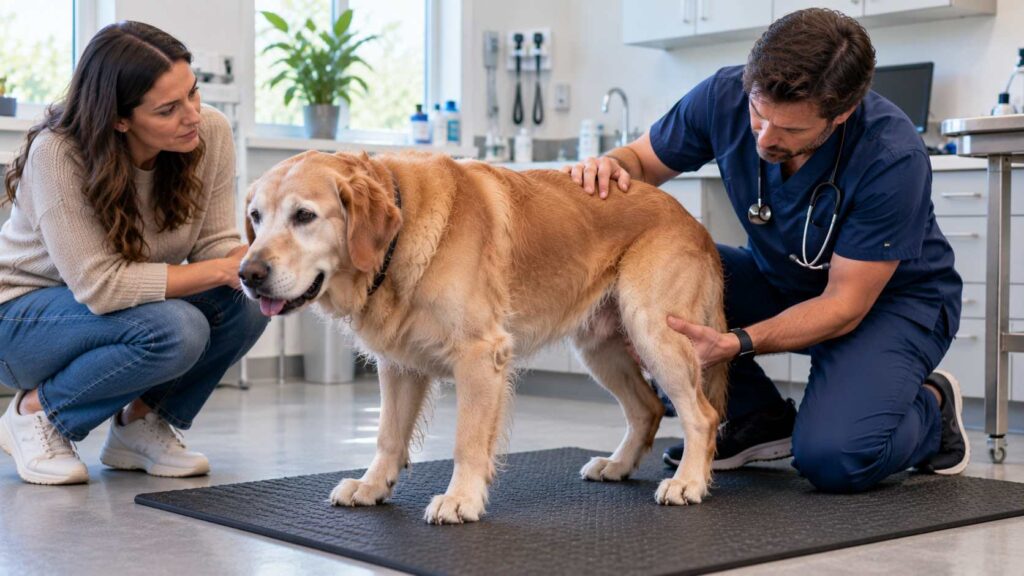
Picture a 12-year-old Labrador who has been climbing the stairs more comfortably since starting Librela. A week after his latest injection, his back legs become wobbly, and he starts drinking more than usual.
Is it the injection, his arthritis, or something else?
There isn’t always an immediate answer. Some symptoms are recognised or reported adverse events associated with Librela, but older dogs can also develop unrelated health problems.
This guide explains Librela for dogs side effects, including neurological changes, urinary problems, joint concerns, and serious warning signs. It also covers what regulators have reported and how to help your veterinarian investigate a suspected reaction.
Your Dog Has Had Librela: What Needs Attention Right Now?
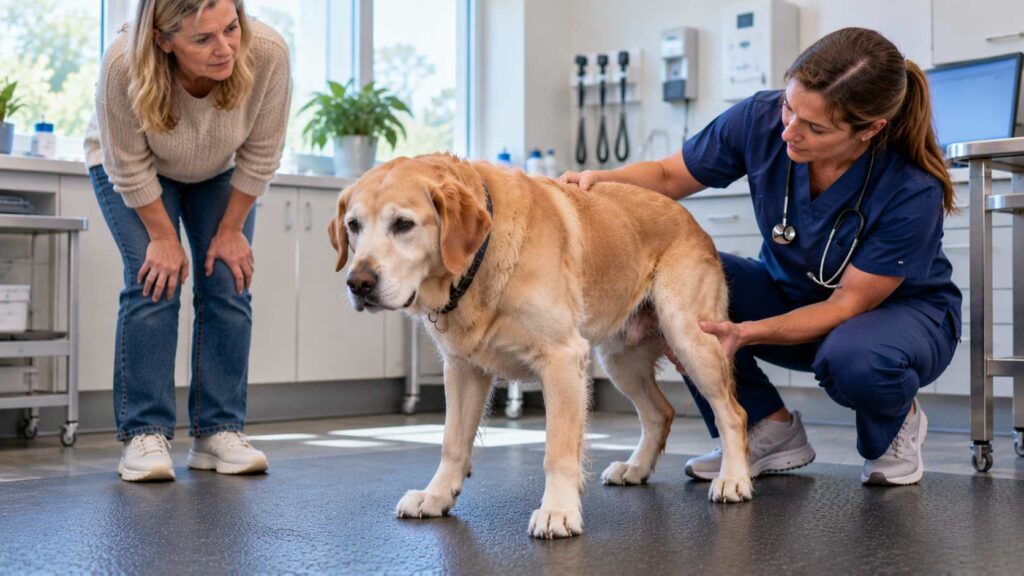
If your dog has developed new symptoms after a Librela injection, their severity matters more than trying to identify the cause yourself.
Signs That Need Emergency Veterinary Care
Seek emergency veterinary care immediately if your dog develops:
- Collapse or sudden inability to stand.
- Sudden paralysis or severe weakness.
- A seizure, particularly one lasting several minutes, or repeated seizures.
- Severe breathing difficulties.
- Facial swelling accompanied by breathing problems, weakness, or collapse, which may indicate a serious allergic reaction.
Warning: Don’t Assume New Weakness Is Just Old Age
Sudden loss of coordination, severe weakness, or inability to walk requires urgent veterinary assessment. These signs can occur with serious neurological conditions, regardless of whether Librela is involved.
Don’t wait for another injection or a routine appointment.
Changes That Warrant Prompt Veterinary Contact
Contact your veterinarian promptly, preferably the same day, if you notice:
- New stumbling, unsteadiness, or dragging of the paws.
- Noticeably increased drinking or urination.
- New urinary accidents in a previously house-trained dog.
- Repeated vomiting or diarrhoea.
- Marked tiredness or loss of appetite.
- New joint swelling, warmth, or pain.
Persistent vomiting, inability to keep water down, severe pain, or rapidly worsening symptoms may require emergency care.
When Observation May Be Appropriate
A single mild change, such as one soft stool in an otherwise comfortable, alert dog, may not require emergency treatment.
However, don’t assume it is harmless or unrelated to medication.
Record what happened and contact your veterinarian for advice, particularly if symptoms persist, recur, or worsen.
There is no universal waiting period that applies to every dog.
| Severity | Possible significance | Recommended action |
|---|---|---|
| Collapse, sudden paralysis, prolonged or repeated seizures, severe breathing difficulty | Potential neurological or systemic emergency | Seek emergency veterinary care immediately |
| New weakness, unsteadiness, or difficulty walking | Neurological, spinal, musculoskeletal, or other illness | Contact your veterinarian urgently |
| Increased thirst, urinary accidents, vomiting, or diarrhoea | Possible reported adverse event or unrelated illness | Contact your veterinarian promptly |
| New joint swelling or significant pain | Joint disease, injury, inflammation, or another condition | Arrange prompt veterinary assessment |
| One mild, short-lived change without other symptoms | Cause uncertain | Record the change and seek veterinary guidance if it persists or recurs |
Which Librela Side Effects Have Actually Been Reported?
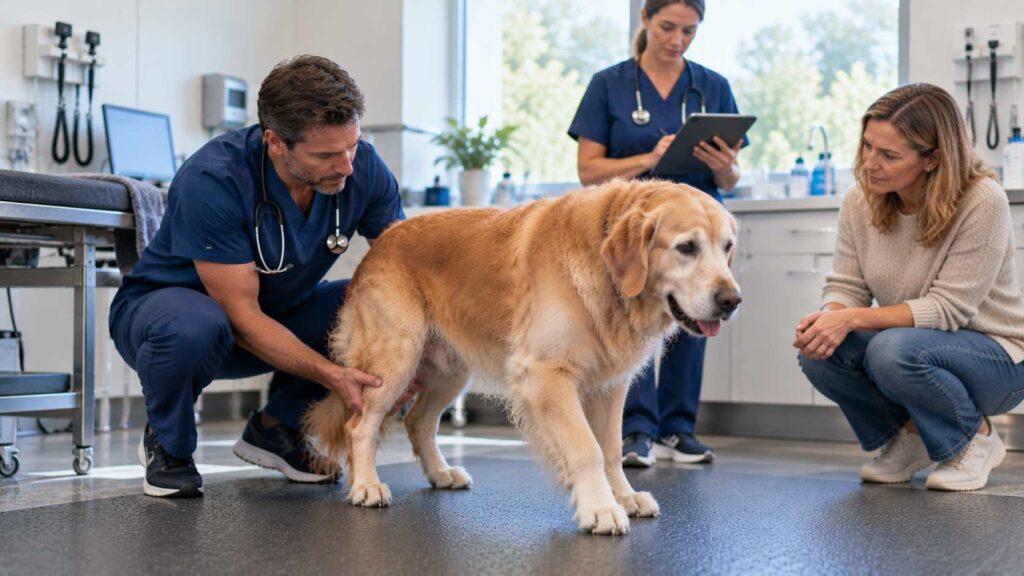
Librela contains bedinvetmab, a monoclonal antibody used to control pain associated with osteoarthritis in dogs.
Its safety information includes findings from clinical studies and adverse events reported after the medication became commercially available.
An important distinction: An adverse event reported after treatment is not automatically proof that Librela caused it.
Regulators assess reports alongside clinical evidence, possible alternative explanations, and other safety information.
Movement and Neurological Changes
Neurological signs are among the most important safety concerns.
Reported events include:
- Ataxia: Uncoordinated or wobbly movement.
- Paresis: Partial loss of voluntary movement or muscle strength.
- Paralysis: Loss of voluntary movement in an affected body part.
- Seizures: Episodes of abnormal electrical activity in the brain, sometimes involving convulsions or altered awareness.
- Proprioceptive deficits: Difficulty recognising or correcting limb position.
The US FDA’s February 2025 safety-related labelling changes included neurological events reported after approval.
UK product information also identifies serious neurological adverse reactions, including seizures, paresis, and paralysis.
These findings deserve attention, but they do not establish that every dog developing neurological symptoms after an injection has experienced a medication-caused reaction.
Drinking, Urination and Digestive Changes
Reported adverse events also include:
- Increased thirst (polydipsia).
- Increased urination (polyuria).
- Urinary incontinence.
- Vomiting.
- Diarrhoea.
- Reduced appetite.
These symptoms can have several causes.
For example, increased thirst and urination may also occur with kidney disease, diabetes, urinary disorders, or certain medications.
A veterinarian may recommend blood or urine testing depending on the dog’s symptoms and medical history.
Important: A dog repeatedly attempting to urinate without producing urine needs emergency assessment. This is different from ordinary urinary incontinence.
General, Immune and Injection-Site Reactions
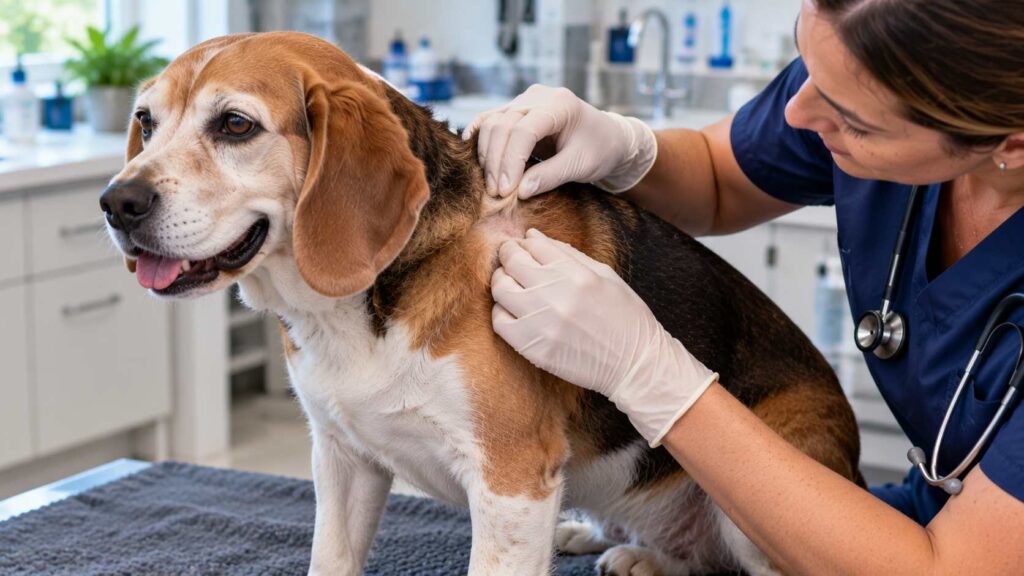
Other reported reactions include:
- Lethargy.
- Injection-site swelling or discomfort.
- Hypersensitivity reactions.
- Certain immune-mediated conditions.
UK safety information also includes serious immune-mediated disorders.
A mild local injection-site reaction is different from a severe allergic reaction involving breathing difficulties or collapse.
Any suspected serious allergic reaction requires emergency veterinary attention.
Joint and Bone Concerns
Musculoskeletal safety concerns have received increased regulatory attention.
In its May 2026 safety update, the UK’s Veterinary Medicines Directorate (VMD) confirmed that Librela product information had been updated to include very rare reports involving:
- Joint swelling.
- Joint pain.
- Bone and joint disorders.
- Soft-tissue ossification, involving abnormal bone formation in soft tissues.
Some reported cases involved progressive bone and joint changes following repeated treatment, occasionally associated with fractures.
The VMD advises that dogs developing new or increased joint swelling or pain following Librela treatment may need additional veterinary investigations and a reassessment of whether treatment should continue.
These findings deserve attention, but they do not establish that every joint problem occurring after an injection was caused by Librela.
New or worsening joint pain, swelling, or mobility problems should be assessed by a veterinarian.
| Reported event | Body system | Regulatory context | Appropriate response |
|---|---|---|---|
| Ataxia, weakness, or coordination problems | Neurological | Included in post-marketing safety information | Prompt or emergency assessment depending on severity |
| Seizures, paresis, or paralysis | Neurological | Serious events included in regulatory safety information | Emergency assessment for seizures or sudden severe neurological signs |
| Increased thirst, urination, or incontinence | Urinary | Reported in official safety information | Prompt veterinary contact |
| Vomiting, diarrhoea, reduced appetite | Gastrointestinal | Reported adverse events | Veterinary contact; urgent care if severe |
| Injection-site reactions | Local | Recognised adverse reactions | Monitor mild reactions; contact a vet if persistent or worsening |
| Hypersensitivity | Immune | Recognised safety concern | Emergency care for severe reactions |
| Joint swelling, pain, or abnormal bone formation | Musculoskeletal | Included in updated UK safety information | Prompt veterinary assessment |
About frequency: The UK classifies adverse reactions using categories such as uncommon, rare, and very rare. The US post-approval reporting list does not provide equivalent incidence estimates for every event.
These classifications should not be treated as interchangeable across countries.
The Timing Matters, But It Can’t Prove the Cause

After the First Injection
A new symptom appearing shortly after the first injection is worth documenting and discussing with your veterinarian.
However, timing alone cannot establish causation.
A dog might develop an unrelated neurological problem, gastrointestinal illness, or another medical condition during the same period.
Knowing how your dog behaved before treatment can help identify meaningful changes.
After Several Uneventful Injections
Previous injections without noticeable problems do not guarantee that a dog will never experience an adverse event.
At the same time, an older dog’s health can change considerably during ongoing treatment.
Osteoarthritis may progress, additional illnesses may develop, and other medications may be introduced.
Your veterinarian needs to consider these possibilities rather than automatically attributing new symptoms to Librela.
How Long Might Symptoms Last?
There is no reliable universal recovery timeline for suspected Librela adverse reactions.
Bedinvetmab remains in the body for an extended period, but the duration of a symptom cannot be predicted simply from the medication’s elimination half-life.
Recovery depends on the underlying cause, the severity of the problem, and whether other medical conditions are involved.
Some symptoms may resolve, while others require treatment or further investigation.
Practical example
Consider a fictional dog named Biscuit:
- Day 0: Receives a Librela injection.
- Day 6: Develops mild unsteadiness.
- Day 7: Owner notices increased drinking.
- Day 7: Owner contacts the veterinarian and shares a short walking video.
- Day 8: Veterinary examination and appropriate diagnostic testing.
This timeline helps the veterinarian understand what changed and when. It does not, by itself, prove that Librela caused the symptoms.
What Librela Safety Reports Can and Can’t Tell You

Clinical Trials
Pre-approval clinical trials provide important safety information, but they cannot identify every possible adverse reaction.
The US field study enrolled 272 dogs and followed treatment over approximately 84 days. This helped researchers evaluate short-term safety and effectiveness, but the study was not large or long enough to reliably detect very rare reactions or problems that might emerge during prolonged treatment.
Clinical trials also involve eligibility criteria, so the dogs studied may not represent every older dog with multiple medical conditions.
Post-Marketing Reports
Once a medicine becomes widely available, veterinarians, owners and manufacturers may report health problems that occur after treatment.
These reports can reveal potential safety signals that were not apparent during clinical trials.
Post-marketing surveillance has played an important role in identifying neurological, urinary and musculoskeletal concerns associated with Librela.
However, a safety signal is a reason for further investigation, not automatic proof of a causal relationship.
Why a Report Isn’t a Proven Reaction
An adverse-event report means a health problem occurred after a medicine was administered. It does not necessarily establish that the medicine caused it.
Reports may contain incomplete medical histories, duplicate entries or limited diagnostic information. Underlying illness and other medications can also complicate interpretation.
Another important limitation is the denominator: raw report totals generally do not establish how many individual dogs received the medicine, making it difficult to calculate the true frequency of a suspected reaction.
The FDA cautions against using spontaneous adverse-event reports to calculate incidence or directly compare the safety of different medicines.
Individual experiences shared online can help owners recognise questions worth discussing with a veterinarian, but they cannot replace controlled research or regulatory assessment.
What About Deaths and Euthanasia?
Death and euthanasia have been reported following Librela treatment. These are serious outcomes, and regulators investigate them carefully.
In its February 2026 assessment, the UK’s Veterinary Medicines Directorate (VMD) classified reported deaths following treatment as rare, using an estimated frequency of 1–10 per 10,000 treated animals.
That classification describes reported events; it does not mean Librela was proven to have caused every death.
Many affected dogs were elderly or had existing medical conditions. The VMD also identified a small subgroup of dogs aged six years or older that deteriorated within 14 days of treatment, while acknowledging uncertainty about whether Librela was responsible.
After reviewing the available evidence, the VMD maintained that Librela’s overall benefit-risk balance remained positive, with continued safety monitoring.
For owners, the practical message is to take serious symptoms seriously without assuming that every reported outcome has an established cause.
| Clinical trials | Spontaneous adverse-event reports | |
|---|---|---|
| Main strength | Structured assessment, often including a comparison group | Can identify uncommon or unexpected safety signals during wider use |
| Main limitation | Limited numbers, follow-up periods and selected participants | Variable report quality, uncertain causation and incomplete exposure data |
| What they help establish | Safety and effectiveness under study conditions | Possible concerns requiring further investigation |
| What they cannot establish alone | Every rare or long-term risk | The true incidence or cause of every reported event |
Could Something Else Explain Your Dog’s Symptoms?
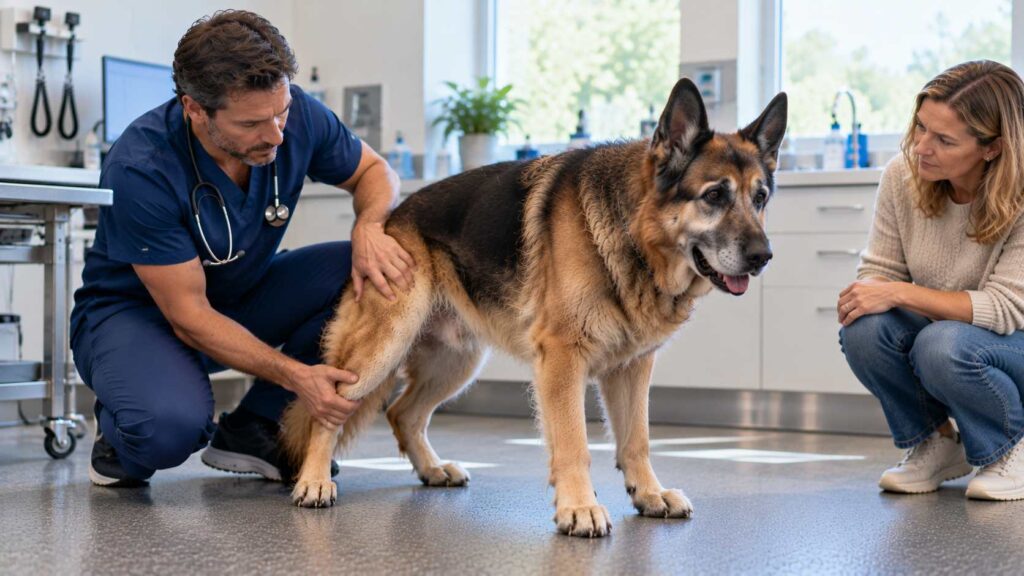
Yes. Several conditions can resemble suspected Librela side effects, particularly in older dogs.
Your veterinarian may investigate more than one possibility rather than assuming the injection caused the change.
Worsening arthritis or injury. Osteoarthritis can progress, and joint pain may make a dog reluctant to walk or bear weight. However, sudden loss of coordination or paralysis should not be dismissed as ordinary arthritis.
A neurological or spinal problem. Intervertebral disc disease and other spinal conditions can cause unsteadiness, hind-leg weakness or bladder dysfunction. Sudden neurological changes require urgent assessment.
For more information, see our guide to sudden weakness or paralysis in dogs.
Urinary or digestive illness. Kidney disease, urinary tract infections, diabetes, pancreatitis and certain medications may cause increased thirst, urinary accidents, vomiting or appetite changes.
Our article on vomiting and digestive problems in dogs explains other symptoms worth recognising.
The timing of a symptom is useful evidence, but a veterinary examination is often needed to understand its cause.
A Simple Record Makes the Vet Visit More Useful
You don’t need medical training to keep a useful record. A few dated observations can help your veterinarian identify changes that might otherwise be difficult to remember.
Your Before-and-After Injection Checklist
Record:
- Injection dates and previous doses.
- Walking, balance and ability to stand.
- Appetite, vomiting or diarrhoea.
- Water intake and urination.
- Energy, behaviour and sleep.
- Joint pain, stiffness or swelling.
- Other medications and supplements.
- When symptoms started and whether they are worsening.
- Short videos showing changes in movement, if safe to record.
- Veterinary advice, examinations and test results.
If possible, begin recording your dog’s normal behaviour before the first injection. This provides a useful comparison if something changes later.
What to Tell the Veterinarian
Start with the most concerning symptom and explain when it began.
Mention:
- The date of the most recent injection.
- Whether the symptom appeared suddenly or gradually.
- Any changes in severity.
- Existing medical conditions.
- All prescription medicines, supplements and recent treatment changes.
- Whether Librela has improved your dog’s comfort or mobility.
For example, saying “My dog started stumbling six days after the injection, and the weakness has worsened since yesterday” is more useful than simply saying “Librela made my dog weak.”
The first statement gives your veterinarian observations they can investigate without assuming the cause.
Tests Your Vet Might Consider
A physical examination is usually the starting point. Depending on the symptoms, your veterinarian may recommend:
- Neurological examination: To assess coordination, reflexes, strength and possible nerve or spinal involvement.
- Blood tests: To investigate kidney function, metabolic problems or other illness.
- Urinalysis: To assess urinary changes or possible infection.
- X-rays: To investigate certain joint or skeletal problems.
- Advanced imaging: MRI or CT may be appropriate when a serious neurological or spinal condition is suspected.
Not every dog needs every test. The examination findings, medical history and severity of symptoms guide the investigation.
What Safety Authorities Say in Different Countries

Librela’s safety information is not identical in every country. Regulators review evidence and update product information according to their own assessment processes.
In Australia, bedinvetmab is marketed as Beransa rather than Librela.
| Country | Regulator | Product name | Important safety information |
|---|---|---|---|
| United States | FDA | Librela | December 2024 veterinary safety communication and February 2025 labelling changes addressing post-approval adverse events |
| United Kingdom | VMD | Librela | Safety assessments and product-information updates, including additional musculoskeletal events in May 2026 |
| Canada | Health Canada | Librela | Canadian veterinary product information and adverse-event reporting requirements |
| Australia | APVMA | Beransa | Australian product safety information, precautions and ongoing adverse-event monitoring |
United States
The FDA issued a Dear Veterinarian letter in December 2024 concerning adverse events reported in dogs treated with Librela.
The FDA’s February 2025 safety-related labelling changes included additional post-approval adverse-event information and guidance for dog owners.
Reported events included neurological signs, urinary changes, gastrointestinal problems and serious outcomes, including death or euthanasia. However, these reports do not prove that Librela caused every reported event.
The FDA also advises veterinarians to provide the Client Information Sheet before each injection so owners understand which symptoms to monitor.
United Kingdom
The VMD has reviewed Librela safety information on several occasions.
Its February 2026 assessment maintained a positive overall benefit-risk balance while acknowledging reported serious adverse events and the need for continued surveillance.
In May 2026, product information was updated to include additional very rare joint and bone-related events.
These updates provide important safety information. They do not mean Librela has been withdrawn or that every reported event has been proven to result from treatment.
Canada
Health Canada maintains regulatory information for Librela as a veterinary prescription medicine.
Canadian owners should consult the current Canadian product information rather than relying entirely on US or UK labelling.
Zoetis Canada also provides a veterinary product reporting contact: 1-800-461-0917.
Your veterinarian can help confirm the current Canadian precautions and appropriate reporting process.
Australia
In Australia, the same active ingredient, bedinvetmab, is sold as Beransa.
The Australian Pesticides and Veterinary Medicines Authority (APVMA) monitors safety reports and publishes regulatory information about the product.
Australian product precautions include restrictions involving dogs younger than 12 months, breeding animals, pregnancy, lactation and known hypersensitivity.
Owners should also consult the current Australian label for adverse reactions and other precautions, including updates involving urinary incontinence and lethargy.
Important: Regulatory information can change. The most recent official product label for your country should take priority over older online articles.
Pain Relief Is Not Joint Recovery
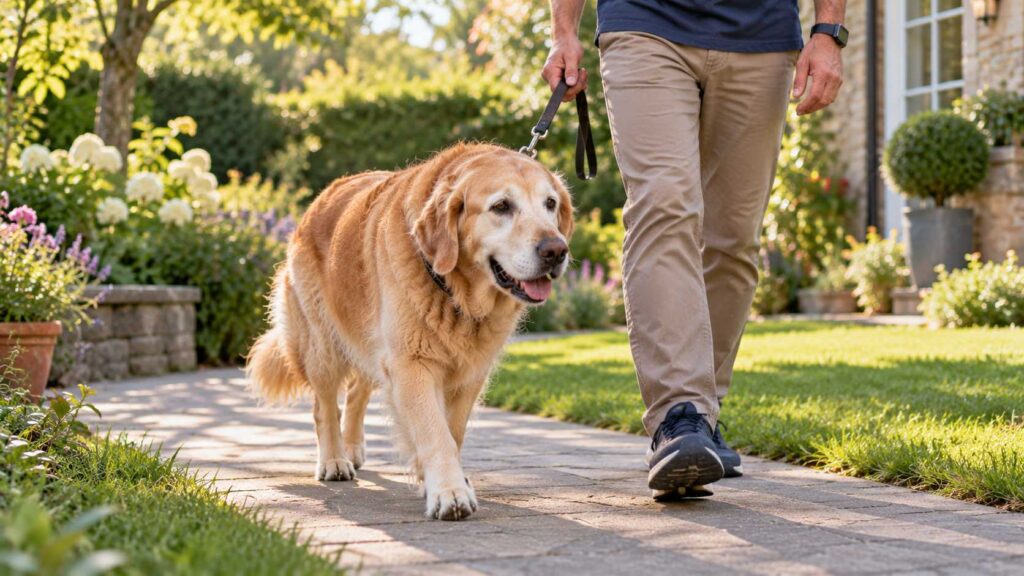
What Librela Actually Does
Librela contains bedinvetmab, a monoclonal antibody designed to target nerve growth factor (NGF), a protein involved in pain signalling.
By interfering with this pathway, Librela can reduce pain associated with canine osteoarthritis.
However, it does not rebuild cartilage, reverse existing joint damage or cure arthritis.
A dog may therefore feel more comfortable even though the underlying joint disease remains.
Why Activity Needs Careful Management
Improved pain control can encourage a dog to move more, which may be beneficial when activity is managed appropriately.
But suddenly increasing walks, running, jumping or rough play can place additional strain on already damaged joints.
A gradual return to activity is particularly important for dogs that were previously reluctant to exercise.
Ask your veterinarian about suitable walking distances, rehabilitation exercises and activity restrictions.
Our guide to safe exercise for dogs offers additional ideas for adjusting activity to a dog’s age and physical condition.
The Rapidly Progressive Osteoarthritis (RPOA) Question
Rapidly progressive osteoarthritis (RPOA) describes unusually fast deterioration of a joint.
Joint deterioration associated with anti-NGF treatment has been investigated in humans, prompting questions about whether similar problems might occur in dogs.
The UK’s VMD has reviewed canine cases involving concerning joint changes, including some resembling aspects of RPOA. However, the reported findings do not necessarily match the patterns described in humans.
Other factors can complicate the assessment, including existing arthritis severity, body weight, exercise, injuries and concurrent medications.
The relationship between Librela treatment and rapidly progressive joint deterioration in dogs remains an area requiring careful scientific investigation.
New joint swelling, significant pain or a sudden decline in mobility should always prompt veterinary assessment.
Quick Tips for Supporting Your Dog’s Joint Health
- Track comfort and mobility separately. Less pain does not necessarily mean healthier joints.
- Increase activity gradually. Avoid sudden increases in walking distance or strenuous play.
- Use non-slip flooring. Rugs or suitable mats may help dogs that struggle on smooth surfaces.
- Watch for new swelling or stiffness. Report changes rather than assuming they are normal ageing.
- Follow an individualised exercise plan. Your veterinarian can help balance movement, comfort and joint protection.
The aim is not to keep an arthritic dog inactive. It is to support comfortable, appropriate movement while monitoring for changes that need veterinary attention.
Is Another Injection the Right Decision?
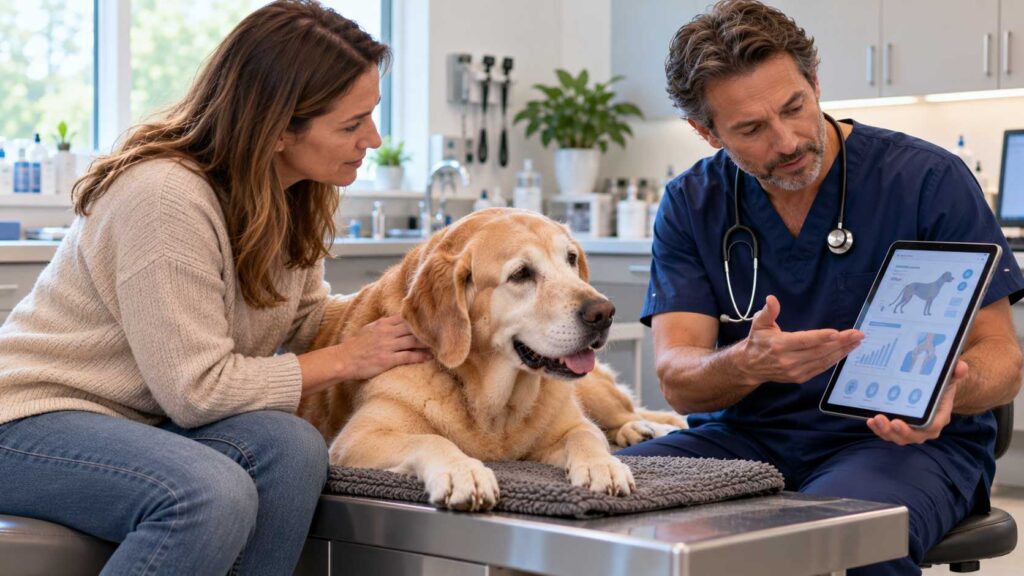
Whether your dog should receive another Librela injection depends on how well the treatment is working, their overall health, and whether any new symptoms have appeared.
A suspected adverse reaction deserves veterinary assessment before the next dose. The decision should be based on your dog’s individual circumstances, not online experiences alone.
Factors That Shape the Discussion
Your veterinarian will consider:
- Arthritis severity: How much pain and restricted movement your dog experiences.
- Treatment response: Whether Librela has improved comfort and everyday activities.
- New symptoms: Any suspected adverse reactions, including when they began and how they have progressed.
- Other health conditions: Problems that may influence treatment suitability or explain new symptoms.
- Age and general health: Particularly relevant for older dogs with multiple medical conditions.
A useful question is whether your dog’s overall quality of life has improved, remained unchanged, or worsened since treatment began.
Dogs Needing Special Consideration
Librela is not suitable for every dog.
Product information includes contraindications for:
- Dogs younger than 12 months.
- Dogs intended for breeding.
- Pregnant or lactating dogs.
- Dogs with known hypersensitivity to bedinvetmab or other product ingredients.
Additional precautions may apply depending on the country.
UK product information also highlights precautions involving certain immune-mediated conditions and the lack of established long-term safety data for concurrent use with non-steroidal anti-inflammatory drugs (NSAIDs).
Dogs with neurological problems, significant underlying illness, or a history of suspected medication reactions may require a more detailed assessment.
Being a senior dog does not automatically make Librela unsuitable. However, age-related illnesses and existing mobility problems can complicate both treatment decisions and the interpretation of new symptoms.
Your veterinarian should check the current product information for your country before recommending treatment.
How It Compares With Other Options
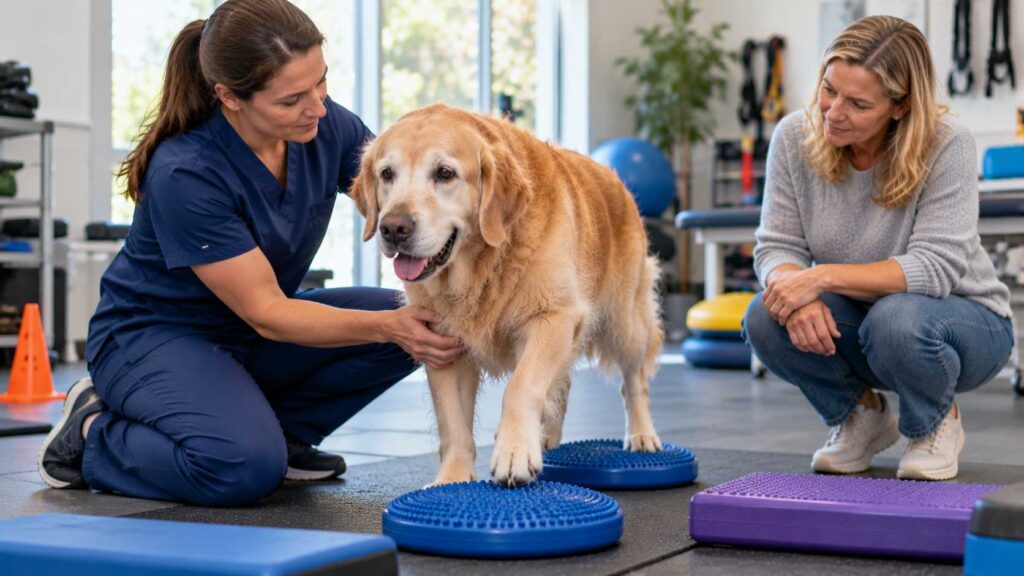
Librela is one approach to managing osteoarthritis pain. Many dogs benefit from a treatment plan that combines appropriate medication with weight management, controlled exercise, and other supportive care.
| Treatment option | Potential benefits | Important considerations |
|---|---|---|
| Librela (bedinvetmab) | Monthly injection targeting nerve growth factor involved in pain signalling | Requires monitoring for adverse events; does not repair damaged joints |
| Veterinary NSAIDs | Reduce pain and inflammation associated with arthritis | May be unsuitable for dogs with certain kidney, liver, gastrointestinal, or other health problems; monitoring may be needed |
| Rehabilitation | Helps maintain mobility, strength, and physical function | Exercises must match the dog’s condition and abilities |
| Weight management | Reduces excess load on painful joints | Requires a sustainable feeding and activity plan |
| Other prescribed treatments | May provide additional pain control or support in selected cases | Benefits, risks, and suitability depend on the individual dog |
No single treatment is best for every dog.
For more information, see our overview of arthritis treatment options for dogs.
Questions to Ask Before the Next Appointment
- Is Librela improving my dog’s comfort and mobility?
- Have any new symptoms appeared since treatment began?
- Could another illness explain these changes?
- Would an examination or diagnostic testing help?
- Are other arthritis treatments worth considering?
- Should the next injection go ahead, or does the treatment plan need reassessment?
Vet Advice: Review New Symptoms Before Further Treatment
If you suspect an adverse reaction, contact your veterinarian before the next scheduled injection.
Do not independently change other prescribed medicines, start additional painkillers, or combine treatments without veterinary guidance.
If your dog develops sudden paralysis, collapse, seizures, or severe breathing difficulties, seek emergency care rather than waiting for a treatment review.
Mistakes That Make Things Worse
Even careful owners can misunderstand medication safety information. These mistakes are particularly important to avoid:
- Ignoring sudden neurological signs. New paralysis, severe weakness, or seizures require urgent veterinary attention, regardless of the suspected cause.
- Blaming Librela for every new symptom. Arthritis progression, spinal disease, and unrelated illnesses can produce similar signs. A veterinary assessment helps investigate the possibilities.
- Treating social media stories as proof. Personal experiences may raise useful questions, but they cannot establish how frequently a medicine causes a particular reaction.
- Misreading adverse-event totals. Thousands of reports do not necessarily mean thousands of confirmed drug-caused injuries. Reporting limitations and the number of animals exposed must be considered.
- Assuming previous injections guarantee future safety. A dog can develop new health problems after several uneventful doses.
- Increasing exercise too quickly. Better pain control does not mean damaged joints have healed. Increase activity gradually according to veterinary advice.
- Forgetting other medications. Tell your veterinarian about prescription drugs, supplements, and recent treatment changes.
- Waiting until the next injection to mention serious symptoms. Report concerning changes promptly rather than delaying assessment.
- Changing medication without guidance. Stopping, adding, or adjusting prescribed treatments independently may create additional risks.
The most useful approach is to record what you observe, recognise urgent warning signs, and involve your veterinarian early.
If You Suspect a Reaction, Make the Information Count
Suspected adverse-event reports help regulators and manufacturers identify potential safety concerns.
You do not need to prove that Librela caused a problem before discussing a suspected reaction with your veterinarian.
What to Document
Try to collect:
- Product details: Librela or Beransa, including the product batch number if available.
- Injection history: Dates of treatment and previous doses.
- Symptoms: What changed, when it began, and whether it worsened.
- Other treatments: Prescription medicines, supplements, and recent medication changes.
- Veterinary findings: Examination results, relevant tests, and possible alternative diagnoses.
- Outcome: Whether symptoms improved, persisted, or required further treatment.
If your dog has difficulty walking, a short video may help your veterinarian assess the change. Never delay urgent care to obtain footage.
Where to Report
Reporting procedures vary by country.
- United States: Contact Zoetis at 1-888-963-8471 or ask your veterinarian about reporting directly to the FDA.
- United Kingdom: Report suspected adverse reactions through the Veterinary Medicines Directorate (VMD) reporting service on GOV.UK or through Zoetis UK.
- Canada: Contact Zoetis Canada at 1-800-461-0917 or ask your veterinarian about the appropriate Canadian reporting process.
- Australia: Use the APVMA’s adverse-experience reporting process or contact Zoetis Australia.
Your veterinarian can help provide the clinical information needed for a useful report.
What Reporting Doesn’t Do
Submitting an adverse-event report does not establish that Librela caused the symptoms.
Reports are assessed alongside other clinical and scientific evidence to identify possible safety signals.
Reporting also does not replace veterinary treatment.
If your dog is seriously unwell, seek veterinary care first. Documentation and reporting can follow once your dog has received appropriate attention.
Frequently Asked Questions
1. Can side effects appear after several injections?
Yes. Suspected adverse events have been reported in dogs that previously received Librela without noticeable problems.
However, symptoms appearing after repeated treatment may also result from arthritis progression, another illness, or other medications.
Your veterinarian should assess new symptoms rather than assuming they are either caused by Librela or unrelated to it.
2. Can Librela cause hind-leg weakness or paralysis?
Weakness, paresis, ataxia, and paralysis are included in regulatory safety information concerning Librela.
However, spinal disease and other neurological conditions can produce similar symptoms.
Sudden paralysis or inability to stand requires emergency veterinary assessment. New hind-leg weakness or unsteadiness also warrants prompt attention.
3. Can it cause increased thirst or bladder accidents?
Increased drinking, increased urination, and urinary incontinence have been reported following Librela treatment.
These signs can also occur with kidney disease, diabetes, urinary infections, and other medical conditions.
Contact your veterinarian if you notice a significant change. A dog repeatedly trying but failing to urinate needs emergency care.
4. Is Librela safe for senior dogs?
Librela is prescribed for osteoarthritis pain, a condition commonly affecting older dogs.
Age alone does not determine whether treatment is appropriate.
Your veterinarian should consider existing illnesses, mobility problems, other medications, previous treatment response, and potential adverse reactions.
For some senior dogs, Librela may provide meaningful pain relief. Others may need a different approach.
5. Can Librela be used with NSAIDs like Metacam?
Librela and NSAIDs work through different mechanisms, but their combined use requires veterinary guidance.
A short laboratory study evaluated concurrent bedinvetmab and carprofen without identifying a safety concern under the conditions studied. However, this does not establish the long-term safety of combining Librela with every NSAID.
Metacam contains meloxicam, which is also an NSAID.
Do not combine Librela with Metacam or another prescription pain medication unless your veterinarian specifically recommends it.
6. Does Librela repair arthritic joints?
No. Librela targets nerve growth factor to reduce pain associated with osteoarthritis.
It does not rebuild cartilage or reverse existing joint damage.
Weight management, suitable exercise, rehabilitation, and regular veterinary reassessment remain important parts of long-term arthritis care.
7. What should I do before the next injection?
Review your dog’s comfort, mobility, and any new symptoms since the previous dose.
Bring your symptom notes, medication list, and relevant videos to your veterinarian.
If you suspect an adverse reaction, discuss it before proceeding with another injection. Your veterinarian can help determine whether further investigation or a change in treatment is appropriate.
The Most Useful Next Step Is a Clearer Picture of Your Dog’s Health
Librela can help manage osteoarthritis pain, but its potential adverse effects deserve careful attention.
Regulators continue to monitor reported safety concerns and update product information as evidence develops. These reports should neither be dismissed nor treated as proof that every symptom following treatment was caused by the injection.
For your dog, the most useful steps are straightforward: recognise serious warning signs, keep an accurate symptom timeline, and discuss new changes with your veterinarian.
Save your notes and bring the monitoring checklist to your next appointment. If your dog has developed concerning symptoms, contact your veterinarian before another injection.
And if you notice collapse, sudden paralysis, seizures, or severe breathing difficulties, seek emergency veterinary care immediately.
#. Related Articles: