If you’ve ever bought a “tough” dog toy only to find shreds of it on your floor an hour later, you’re not alone. Aggressive chewers are in a league of their own — and most toys just aren’t built for them.
The good news? The right chew toy does exist. It’s just not the cute plush squeaky one you grabbed at the checkout counter.
This guide breaks down everything you need to know — what to look for, which materials actually hold up, and how to find the best chew toy for your aggressive chewer without wasting money on ones that won’t last the afternoon.
Why Some Dogs Chew So Hard (And Why It Matters)
Before we talk toys, it helps to understand why your dog chews aggressively. It’s not just personality — there are real reasons behind it.
Common causes of power chewing include:
- Breed instinct — Staffies, Rottweilers, German Shepherds, Mastiffs, and working breeds were literally bred to use their jaws. Chewing is hardwired.
- Boredom or excess energy — A dog who isn’t getting enough exercise or mental stimulation will channel that energy into whatever’s nearby. Often your shoes.
- Anxiety — Chewing releases calming endorphins. Many anxious dogs are also heavy chewers.
- Teething (in puppies) — That urge to gnaw on everything fades, but some dogs carry it into adulthood.
Understanding the why matters because it changes how you approach the solution. A bored dog needs enrichment toys. An anxious dog might need a combination of chew toys and behavioural support. A breed-driven chewer just needs something genuinely tough.
What Actually Makes a Chew Toy “Indestructible”?
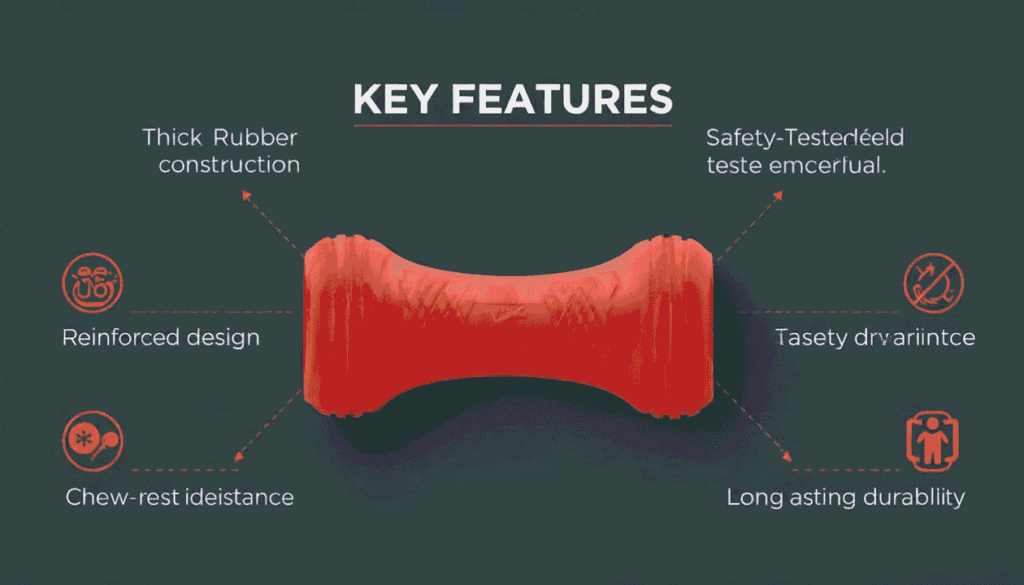
Spoiler: nothing is truly indestructible. But some toys last dramatically longer than others — and here’s why.
Material Is Everything
The material a toy is made from determines how long it survives a power chewer. Here’s the honest breakdown:
Natural rubber (like what KONG uses) is the gold standard for most chewers. It flexes, it bounces, and it doesn’t splinter. The harder the rubber compound, the better — look for terms like “Extreme” or “black label” on rubber toys. These are made for the serious chewers.
Nylon is incredibly dense and doesn’t crack apart. Toys like Nylabone Dura Chew are designed for gnawing, not tearing. They slowly wear down over time, which is much safer than a toy that breaks into chunks.
Thermoplastic rubber (TPR) sits between nylon and rubber — flexible but dense. Good for moderate-to-heavy chewers, though not always a match for the most extreme biters.
What to avoid: Soft vinyl, standard plush, thin plastic, and rope toys with large fibers. These can be swallowed in chunks, which is a real choking and blockage risk.
How the Toy Is Built
Material matters, but construction does too.
- Seamless or moulded designs hold up better than stitched or glued ones. A toy with a seam is a toy with a weak point.
- Solid vs hollow: Hollow toys (like a KONG stuffed with peanut butter) are brilliant for mental stimulation but can crack if your dog bites down in the wrong spot. Solid or near-solid toys handle pressure better.
- Size matters more than people think. A toy that’s too small becomes a choking hazard. A toy that’s too large can strain your dog’s jaw and neck over time. Always size up if you’re unsure.
The 5 Best Chew Toys for Aggressive Chewers
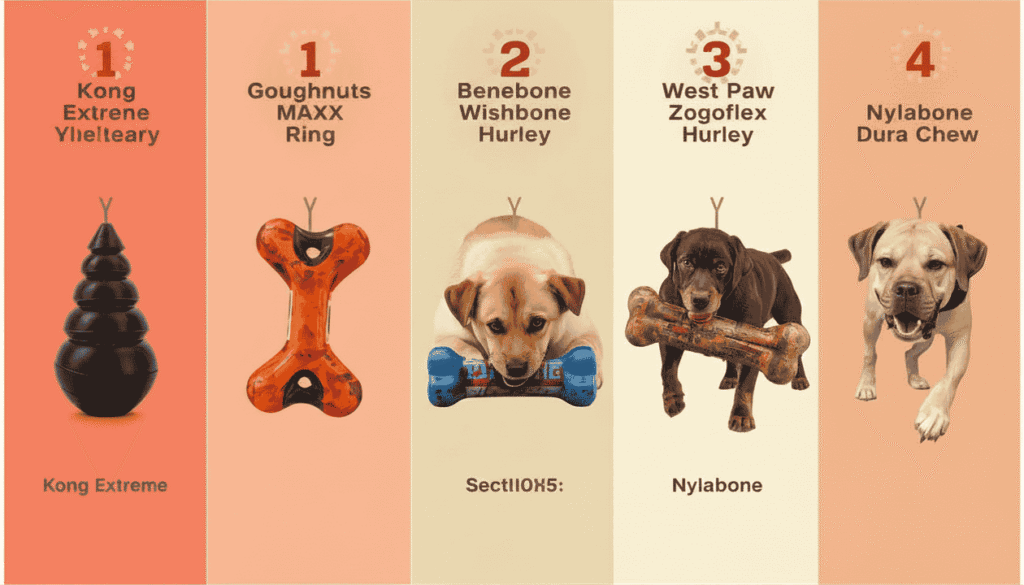
Here are the toys that consistently hold up for heavy chewers — based on real-world performance, not just marketing claims.
1. KONG Extreme (Black Label) — Best All-Round
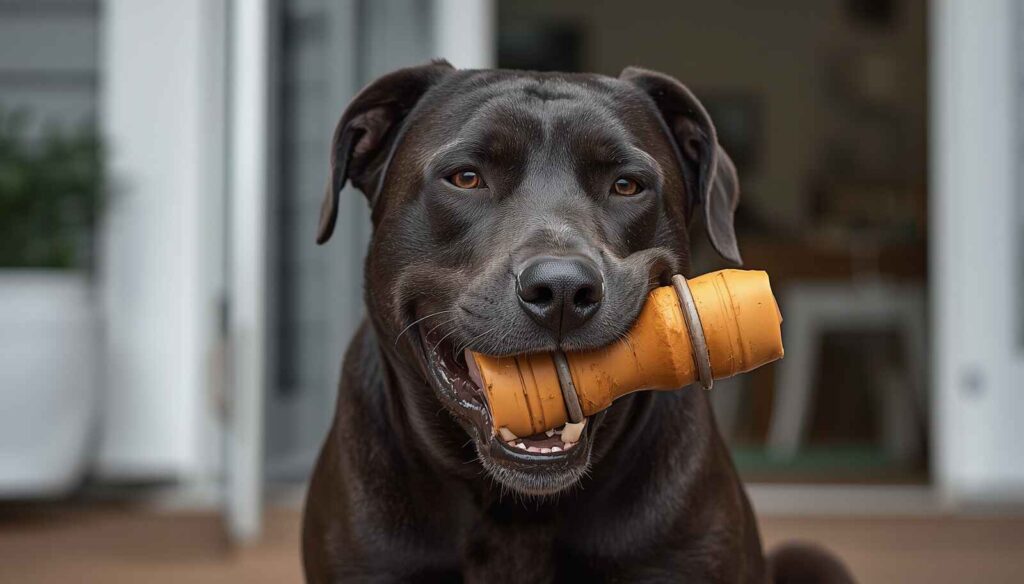
The KONG Extreme is the black version for a reason — it’s made from a much harder rubber compound than the classic red KONG. It’s bouncy, nearly indestructible for most chewers, and doubles as a treat-dispensing toy when stuffed.
Best for: Medium to large dogs with strong jaws. Labradors, Boxers, Staffies.
Not ideal for: The most extreme chewers (Mastiffs, Rottweilers at full strength may eventually crack it).
2. Goughnuts MAXX Ring — Best for Safety-Conscious Owners
Goughnuts are engineering marvels. The MAXX 50 is designed with a red inner layer — if your dog chews through to red, it’s your signal to replace the toy. That safety indicator is genuinely useful.
Best for: Very large breeds, dogs with a history of destroying everything.
Note: These are pricier, but the safety feature is worth it for owners who worry.
3. Benebone Wishbone — Best Nylon Chew
The Benebone is made from tough nylon infused with real bacon or chicken flavour. Dogs go absolutely mad for it, and because it’s solid nylon, it doesn’t break apart in dangerous chunks — it just slowly wears down.
Best for: Dogs who like to gnaw rather than tear. Great for solo chewing sessions.
Not ideal for: Puppies under 1 year (too hard for developing teeth).
4. West Paw Zogoflex Hurley — Best Sustainable Option
West Paw makes their toys in the USA from a unique rubber compound that’s softer than KONG Extreme but surprisingly tough. They also offer a one-time guarantee — if your dog destroys it, they’ll replace it.
Best for: Dogs who need something slightly softer but still durable. Great for fetch + chewing combos.
Bonus: The material is non-toxic, recyclable, and dishwasher safe.
5. Nylabone Dura Chew — Best Budget Option
If you want something affordable that actually holds up, the Nylabone Dura Chew is the answer. It’s not the most exciting toy in the world, but dogs who love to gnaw will work on this for months.
Best for: Budget-conscious owners with medium to large chewers.
Tip: Get the “Power Chew” or “Dura Chew” label specifically — not the softer Nylabone variants.
Choosing the Right Toy for Your Specific Dog
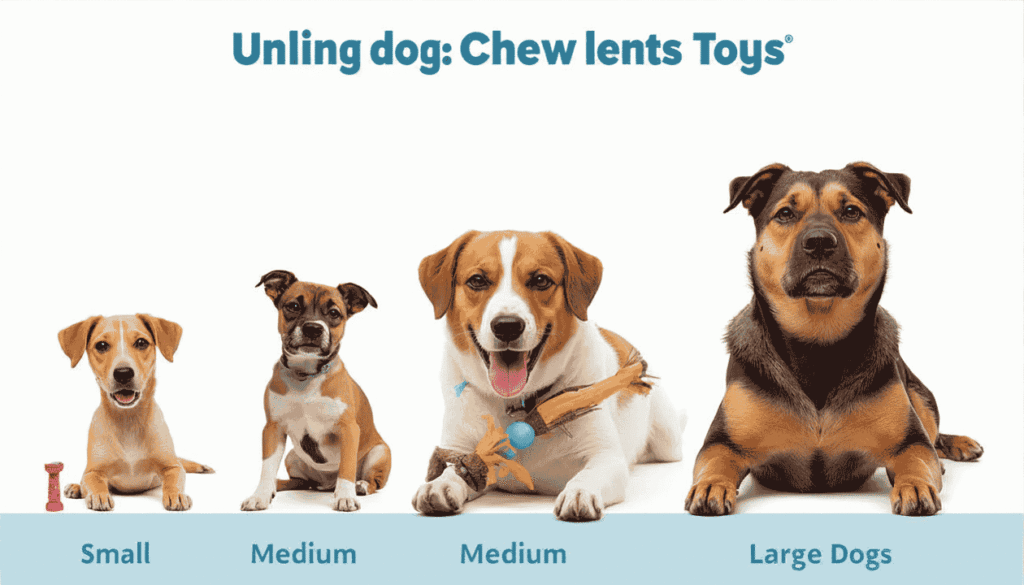
Not every aggressive chewer is the same. Here’s a quick way to narrow it down:
| Dog Profile | Best Match |
|---|---|
| Large breed, destroys everything | Goughnuts MAXX Ring |
| Loves treat-stuffing | KONG Extreme |
| Gnaws for hours | Benebone Wishbone |
| Needs fetch AND chew | West Paw Zogoflex |
| Budget-friendly pick | Nylabone Dura Chew |
Tips to Make Chew Toys Last Longer
Even the toughest toys benefit from a little smart management.
Rotate toys. Don’t give your dog the same toy every day. Rotate between 3–4 options. This keeps novelty high and reduces obsessive power-chewing on a single item.
Supervise new toys. Especially the first few sessions. You want to see how your dog interacts with it before leaving them unsupervised.
Replace when it’s time. No toy lasts forever. Once a toy has chunks missing, sharp edges, or is small enough to swallow — bin it. No toy is worth a vet bill.
Pair chewing with exercise. A dog who has had a good run or play session will chew with less frantic intensity. Mental tiredness helps too — puzzle feeders, training sessions, scent games.
Use treat stuffing wisely. Filling hollow toys with frozen peanut butter or wet food dramatically extends how long your dog stays engaged — and slows down the chewing.
A Word on Safety (That Competitors Gloss Over)
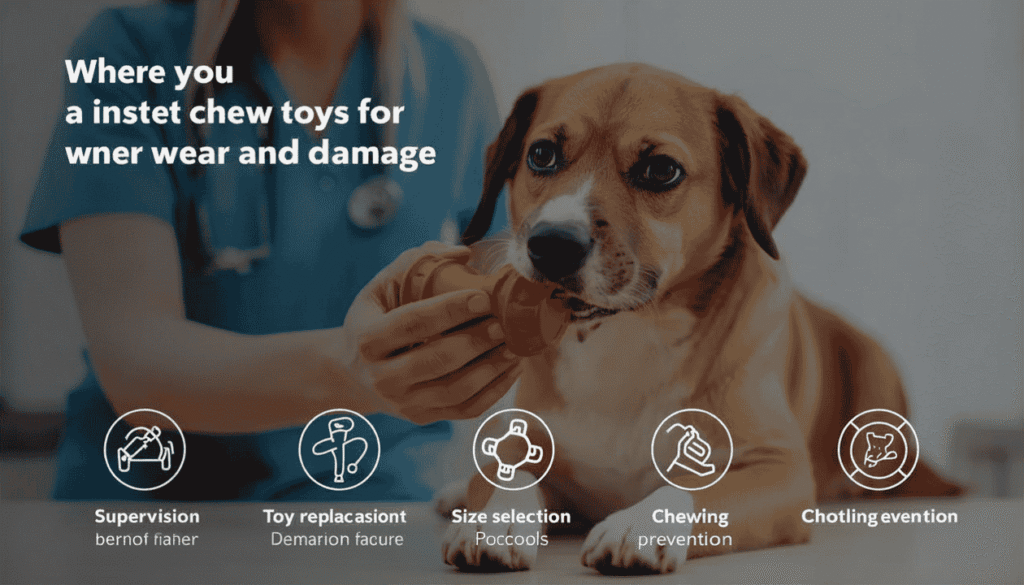
Most guides list toys. Few talk about what to actually watch for when your dog uses them.
Here’s what to check regularly:
- Chunk risk: If you can see chunks being bitten off, the toy is wrong for your dog.
- Sharp edges: Broken nylon or rubber can cut gums. Inspect after every session.
- Size creep: As a toy wears down, it gets smaller. A toy that was safe at full size may become a choking hazard as it shrinks.
- Xylitol in treats: If you stuff toys with peanut butter, check the label. Xylitol (common in “diet” peanut butters) is toxic to dogs.
Frequently Asked Questions
1.What is the toughest chew toy for aggressive chewers?
The Goughnuts MAXX Ring is widely considered the toughest option on the market. It’s specifically engineered for dogs who destroy everything else, and it includes a safety indicator layer.
2.Can chew toys damage my dog’s teeth?
Yes, if they’re too hard. A rough rule of thumb: if you press your thumbnail into a toy and it leaves no indent, it may be too hard for your dog’s teeth. Very dense nylon and hard antlers carry some risk for heavy chewers. Opt for rubber or softer nylon for safer daily chewing.
3.How often should I replace chew toys?
It depends on the toy and the dog. Inspect every toy after each use. Replace it as soon as chunks are missing, edges are sharp, or it’s become small enough to swallow.
4.Are natural chews (antlers, bully sticks) better than rubber toys?
They’re different tools. Natural chews are great for enrichment and satisfying deep chewing instincts, but they carry risks (splintering, calorie load, sourcing concerns). Rubber toys are safer for unsupervised chewing. Ideally, use both — supervised natural chews, unsupervised durable rubber.
5.My dog is a puppy but already chewing aggressively — what should I use?
Avoid anything very hard (like solid nylon) until your dog’s adult teeth are fully in — usually around 6–7 months. Use puppy-specific KONG or softer rubber options until then. Introduce tougher toys gradually.
6.Are there good chew toys for aggressive chewers available in the UK, Canada, and Australia?
Yes. KONG, Goughnuts, Benebone, and West Paw Zogoflex are all widely available through Amazon UK, Petbarn (Australia), and PetSmart Canada, as well as many independent pet shops.
7.What if my dog isn’t interested in chew toys?
Try smearing a little peanut butter, cream cheese, or wet food on the toy to get them started. Some dogs also respond better to toys with texture — try a ridged nylon or a toy with nubs rather than a smooth surface.
Final Thoughts
Finding the best chew toy for your aggressive chewer takes a bit of trial and error — but you don’t have to waste money on the wrong ones. Start with the material (rubber or dense nylon), match the toy to your dog’s size and chewing style, and always supervise the first few sessions.
The best toy isn’t necessarily the most expensive — it’s the one that’s right for your dog. And once you find it, it becomes one of the best investments you’ll make as a dog owner: less destruction, less stress, and one very happy, occupied pup.
#. Related Articles: