You’ve probably watched your dog hoover up an entire bowl of food in under 30 seconds and thought — is that normal? Is it okay? The short answer: it’s incredibly common, but no, it’s not ideal. And that’s exactly where slow feeder bowls come in.
Whether you’ve already got one sitting in your Amazon basket or you’re just hearing about them for the first time, this guide covers everything you actually need to know — no fluff, no sponsored nonsense. Just honest, practical advice for dog owners like you.
What Is a Slow Feeder Bowl, Exactly?
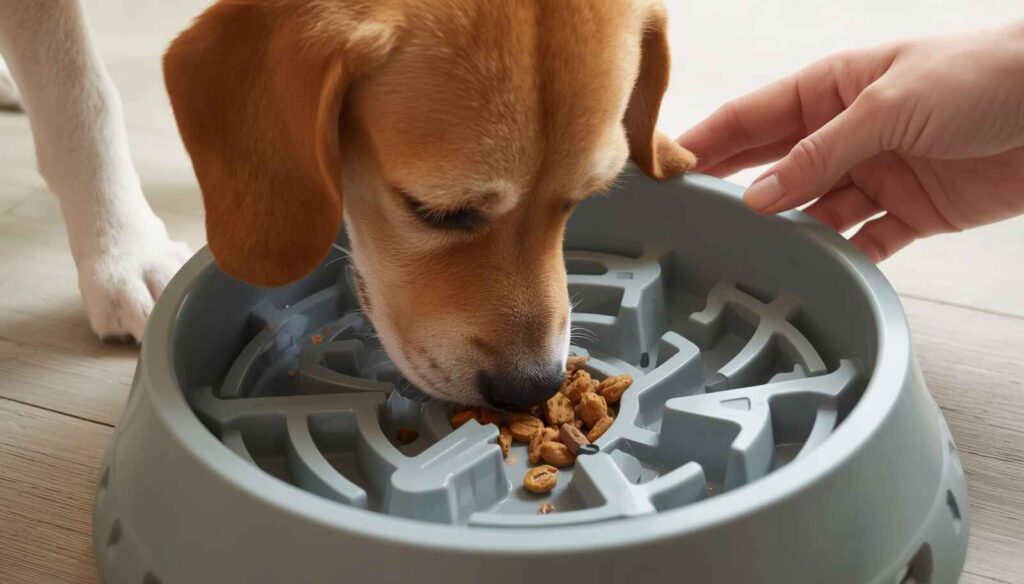
A slow feeder bowl is a specially designed dog bowl with raised ridges, mazes, spirals, or compartments built into the base. Instead of your dog being able to gulp everything in one go, they have to work their snout around the patterns to reach their kibble or wet food.
Think of it a bit like eating rice with chopsticks for the first time — it still gets done, it just takes longer and requires more focus. For dogs, that’s actually a really good thing.
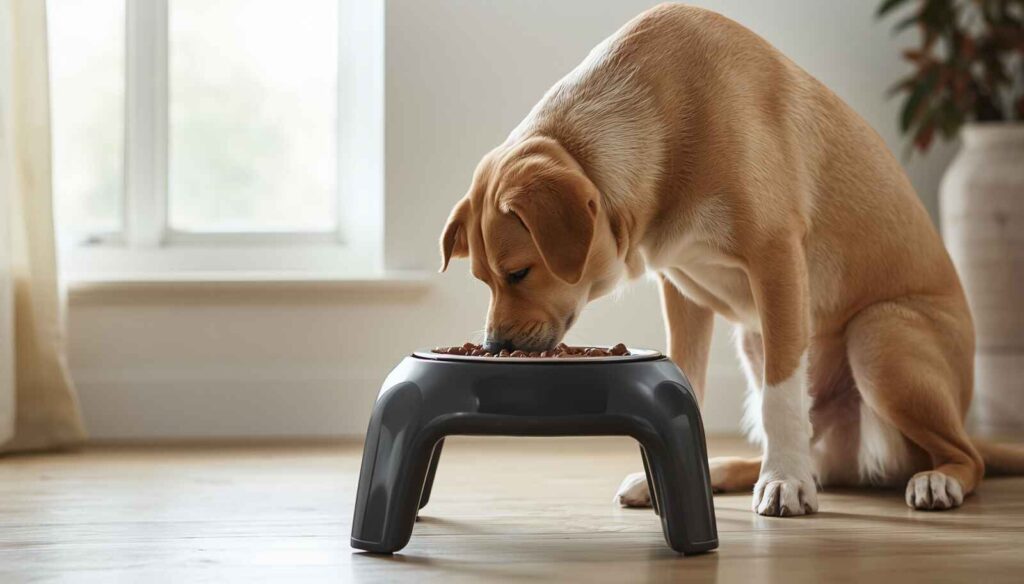
They come in all shapes and sizes — shallow licki mats, deeper maze-style bowls, raised platform feeders — and in materials ranging from silicone to stainless steel. More on those shortly.
Why Fast Eating Is a Real Problem (Not Just an Annoyance)
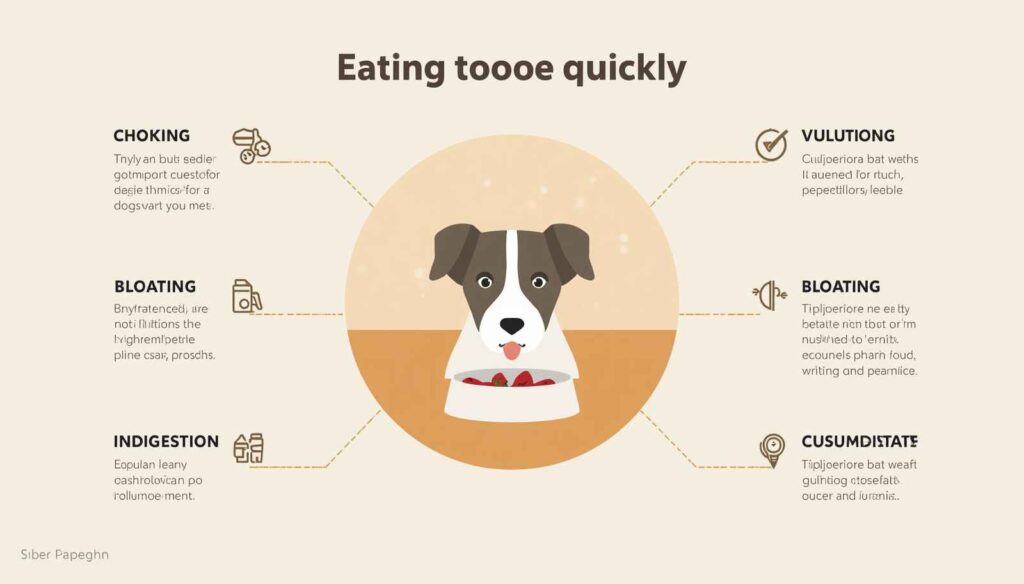
Before we answer whether slow feeder bowls are good for dogs, it helps to understand why eating fast is a problem in the first place.
When dogs eat too quickly, a few things can go wrong:
- Vomiting shortly after meals — the stomach simply can’t keep up with the volume being swallowed
- Excess gas and bloating — air gets gulped in alongside food
- Gastric Dilatation-Volvulus (GDV) — a life-threatening condition where the stomach twists; more common in deep-chested breeds
- Choking or gagging — particularly in smaller dogs eating large kibble
- Weight gain — eating fast bypasses the satiety signal, so dogs may act hungry again very quickly
GDV in particular is worth taking seriously. It’s an emergency that requires immediate surgery and can be fatal within hours. Vets in the UK, Canada, and Australia consistently flag fast eating as a risk factor — particularly in breeds like Great Danes, Boxers, Weimaraners, and Standard Poodles.
Are Slow Feeder Bowls Good for Dogs? Here’s What the Evidence Says
Yes — when used correctly, slow feeder bowls offer genuine, evidence-backed benefits for most dogs. Here’s what they actually do:
1. They Significantly Slow Down Eating Speed
Studies have shown that slow feeders can increase mealtime duration by 5–15 minutes compared to a regular bowl. That might not sound like much, but it’s enough to allow the stomach to handle food properly and give the brain time to register fullness.
2. They Reduce the Risk of Bloat and GDV
While no bowl can guarantee your dog won’t get bloat, slowing down food intake reduces the amount of air swallowed with each mouthful. For at-risk breeds, this is a meaningful protective step — and many vets actively recommend it.
3. They Provide Mental Stimulation
This one surprises a lot of dog owners. Dogs are problem-solvers by nature. Working through a maze to reach their food activates the same part of their brain as sniffing, exploring, and playing. For dogs that spend long stretches alone or don’t get enough outdoor enrichment, a slow feeder can genuinely improve their mental wellbeing.
Behaviourists often call this “feeding enrichment” — and it’s considered just as important as physical exercise for a dog’s overall happiness.
4. They Can Support Healthy Weight Management
When dogs slow down, they often eat a little less before feeling satisfied. Over time, this can help with gradual weight loss or maintenance — especially useful given that over 50% of dogs in the UK, Australia, and Canada are now classified as overweight by vets.
5. They Improve Digestion
Slower eating means food is chewed more thoroughly, mixed with more saliva, and enters the stomach at a more manageable rate. This reduces vomiting, regurgitation, and general gut discomfort after meals.
Which Dogs Benefit Most?

Slow feeder bowls are helpful for a wide range of dogs, but they’re especially worth trying if your dog:
- Finishes their bowl in under 2 minutes
- Vomits or gags shortly after eating
- Is a deep-chested or large breed
- Has a history of bloat in their family
- Struggles with boredom or anxiety
- Is overweight and needs portion awareness
- Competes with other pets for food
Breeds that tend to eat fastest — Labradors, Beagles, Border Collies, Golden Retrievers — are also excellent candidates. These are dogs that were historically bred to eat quickly and efficiently, so the instinct is deeply wired in.
Are There Any Downsides to Slow Feeder Bowls?
Slow feeders are safe for the vast majority of dogs, but there are a few things to watch for:
- Frustration in some dogs — if the design is too complex, some dogs get stressed rather than stimulated. Always start simple.
- Not suitable for all snout shapes — flat-faced (brachycephalic) breeds like Bulldogs or Pugs may struggle with deep-ridged bowls. Look for wide, shallow designs instead.
- Hygiene issues if neglected — those same ridges that slow eating trap food residue. Clean after every meal, full stop.
- Poorly made versions — cheap plastic bowls with sharp internal edges can injure your dog’s gums or tongue. Always buy from a reputable brand.
How to Choose the Right Slow Feeder Bowl
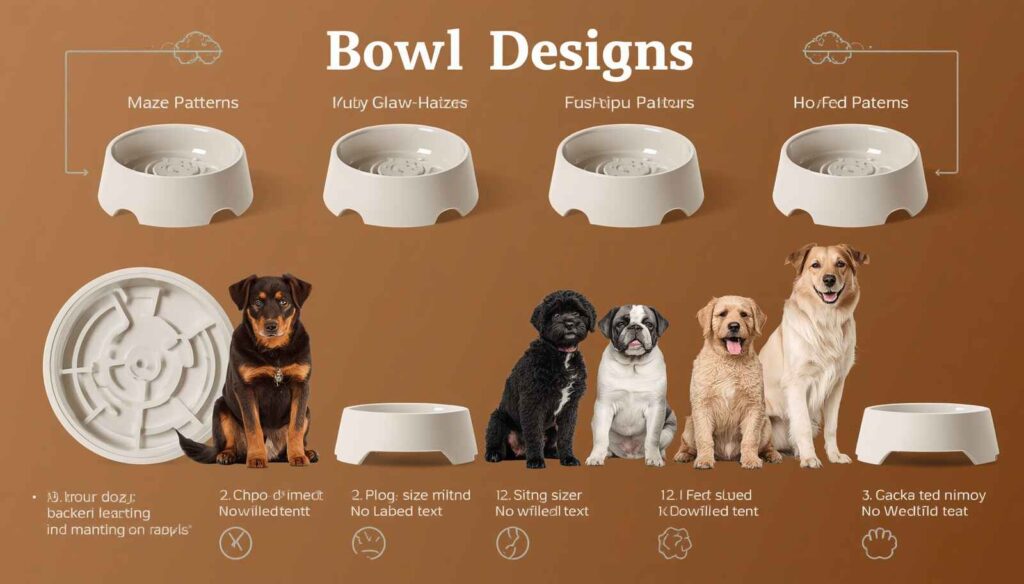
With dozens of options on the market, here’s what actually matters when picking one:
Size -> Match the bowl to your dog’s size. A tiny bowl for a Great Dane is pointless; a deep maze for a Chihuahua is frustrating.
Difficulty Level -> Start easy. You can always upgrade to a more complex design once your dog gets the hang of it.
Material -> Stainless steel is best. Ceramic is fine. Avoid cheap plastic — especially anything without BPA-free labelling.
Non-Slip Base -> Dogs push bowls around. A rubber-grip base saves your floors and your dog’s frustration.
Dishwasher Safe -> You’ll be washing this every single day. Make your life easy.
Snout Shape -> Flat-faced breeds need wide, shallow bowls. Long-snouted breeds can handle deeper ridges.
DIY Slow Feeder Ideas (That Actually Work)
Not ready to buy one yet? These cost nothing and work brilliantly:
- Muffin tin method: Scatter kibble across a muffin tin — your dog has to nose into each cup individually
- The rock trick: Place a large, clean, smooth rock in the centre of their regular bowl so they eat around it
- Licki mat: Spread wet food or peanut butter thinly across a silicone mat — extends meal time massively
- Snuffle mat: Hide dry kibble in the fabric folds — doubles as nose enrichment
- Scatter feeding: Simply throw kibble across a patch of grass and let them sniff it out
Keeping It Clean: A Simple Routine
The ridges and grooves that make slow feeders effective are also excellent at trapping food. Left dirty, they can harbour harmful bacteria like salmonella and cause digestive issues.
Here’s an easy cleaning routine:
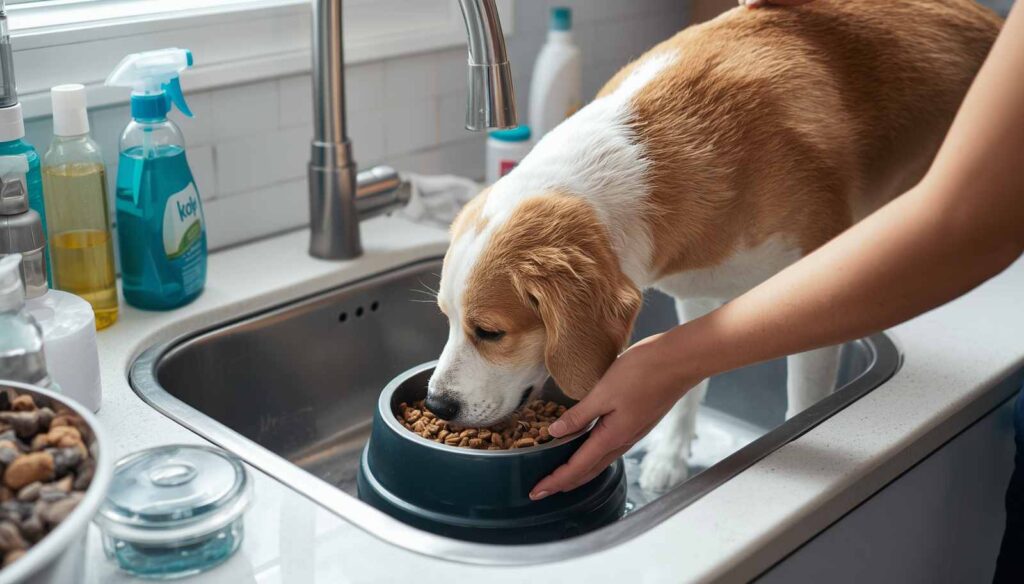
- Rinse the bowl immediately after each meal to prevent food drying in the grooves
- Wash daily — dishwasher is fine for most stainless or silicone options
- If hand-washing, use a bottle brush or old toothbrush to scrub inside crevices
- Check regularly for cracks or chips, especially in ceramic bowls — replace if damaged
The Honest Verdict: Should You Get One?
If your dog eats fast — even occasionally — a slow feeder bowl is a low-cost, low-effort change that can make a real difference to their health and happiness. The benefits are well-supported, the risks are minimal when you choose the right product, and most dogs take to them quickly.
They’re not a cure-all. A dog with serious health issues needs a vet, not just a new bowl. But for the vast majority of dogs, this is one of the easiest wins in pet ownership. A good slow feeder costs roughly the same as a bag of treats — and it might save you a very expensive vet bill down the line.
Frequently Asked Questions
1.Do vets actually recommend slow feeder bowls?
Yes, many vets do recommend them — especially for dogs that inhale their food. They’re particularly advised for deep-chested breeds like German Shepherds, Great Danes, and Labradors that are prone to bloat (GDV). That said, your vet will always give advice based on your specific dog’s health and needs, so it’s worth a quick chat at your next check-up.
2.Are slow feeder bowls safe for puppies?
Generally yes, but with some care. Puppies are learning how to eat, so a very complex maze-style bowl might frustrate them early on. Start with a simple raised-ridge design and graduate to more challenging bowls as they grow. Always supervise puppies during meal times, especially in the beginning.
3.Can a slow feeder bowl actually help with weight loss?
Indirectly, yes. When dogs eat more slowly, they’re more likely to feel full before they’ve overeaten — because their brain gets time to register the ‘I’m full’ signal. Combined with proper portion control, a slow feeder can be a helpful tool for chunky pups on a diet. But it’s not magic on its own.
4.What’s the safest material — stainless steel, ceramic, or plastic?
Stainless steel is generally the top pick. It’s durable, non-porous (so bacteria can’t hide in scratches), dishwasher safe, and doesn’t leach chemicals. Ceramic is also fine if it’s lead-free glazed. Plastic is the least recommended — especially if it scratches easily — as bacteria can accumulate and some cheaper plastics may contain BPA.
5.How often should I clean a slow feeder bowl?
After every single meal. Wet food especially can get trapped in grooves and ridges, and bacteria builds up fast. Most good-quality slow feeders are dishwasher safe, which makes it easy. If you’re handwashing, use a small bottle brush or old toothbrush to scrub the crevices thoroughly.
6.Can slow feeders cause frustration or anxiety in dogs?
They can, if the bowl is too difficult for the dog. Signs of frustration include pawing at the bowl, barking, giving up, or pushing the bowl around aggressively. If this happens, switch to an easier design. The goal is a gentle challenge — not a puzzle that defeats them. Most dogs adapt and even seem to enjoy the mental workout.
7.How do I make a DIY slow feeder at home?
Easy! Place a large rock or overturned muffin tin in the centre of a regular bowl. You can also spread wet food across a licki mat, or scatter dry kibble in a snuffle mat. Muffin tins work brilliantly — just portion kibble into each cup. These cost nothing and work surprisingly well for most dogs.
The Bottom Line
Slow feeder bowls are good for dogs — and for most fast eaters, they’re genuinely worth it. They slow down mealtimes, reduce the risk of bloat, provide real mental enrichment, and support better digestion. Start with a simple design, clean it daily, and watch how your dog takes to it. It’s one of the simplest upgrades you can make to your dog’s daily routine — with benefits that go far beyond just slowing down dinner.
This article is for informational purposes. Always consult your vet for advice specific to your dog’s health and breed.
#. Related Articles: