You head out for the morning walk, pick-up bag in hand, and then — wait. That’s not the usual brown. Your dog’s poop is yellow. Bright yellow. Pale yellow. Maybe even yellowish-orange.
It’s a bit alarming, right? You immediately start wondering: did they eat something weird? Are they sick? Should you call the vet right now?
Take a breath. Yellow poop in dogs is more common than you might think, and while it does deserve your attention, it doesn’t always mean something serious. This guide walks you through every possible cause — from the totally harmless to the “yes, call the vet” situations — so you know exactly what to do.
What Does Normal Dog Poop Actually Look Like?
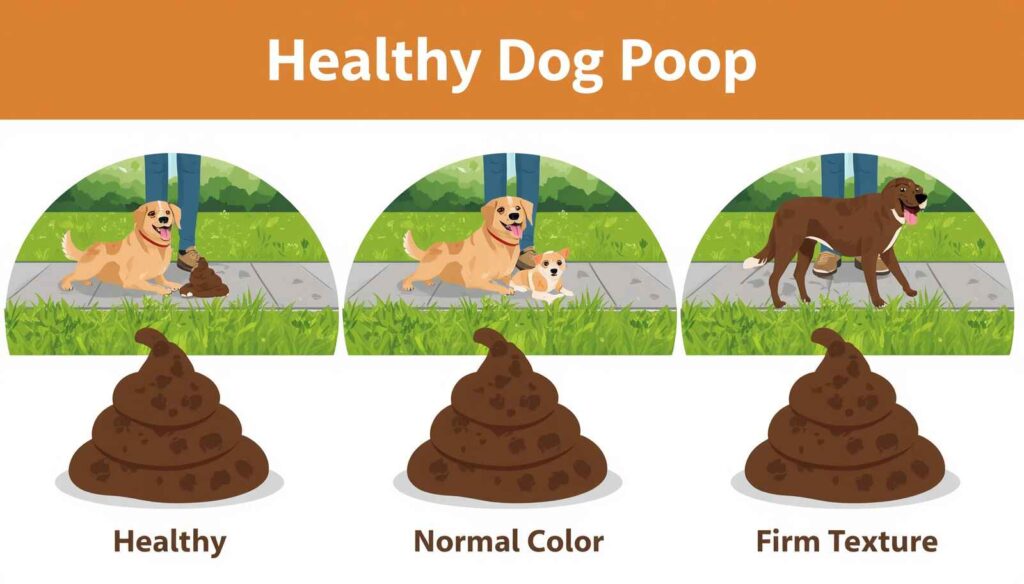
Before we dive into yellow, let’s talk about what you want to see. Healthy dog poop should be:
- Chocolate brown in colour
- Firm but not rock-hard — like Play-Doh that holds its shape
- Easy to pick up without leaving much residue on the ground
- Consistent in shape (usually log-like)
If your dog’s poop ticks all those boxes most days, they’re probably doing well. A one-off colour change is less worrying than something that keeps happening day after day.
Why Is My Dog’s Poop Yellow? 10 Real Causes Explained
There’s no single answer here — yellow dog poop can come from several different sources. Some are diet-related. Some point to an illness. Let’s go through them one by one.
1. They Ate Something Yellow (or Weird)
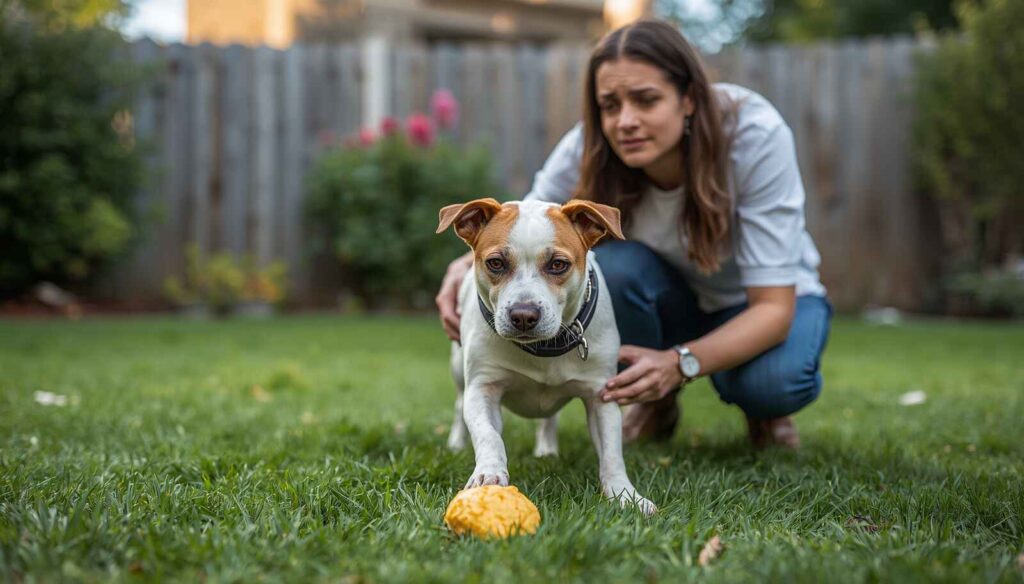
This is the most common and least alarming cause. Dogs are notoriously non-picky eaters. If your dog managed to sneak into the kitchen bin, scoff some fallen mango, or chew through a yellow tennis ball, the pigment from that food or object can show up in their stool.
Think back over the last 24–48 hours. Did they eat anything unusual? Yellow vegetables like sweetcorn, squash, or even certain grains can tint the poop temporarily.
Quick rule of thumb: If it happened once and your dog is acting completely normal — eating, drinking, playing as usual — a dietary cause is very likely. Watch for a day or two before worrying.
2. A Recent Diet Change
Switching dog food — even to a higher-quality brand — can upset your dog’s digestive system temporarily. Their gut bacteria need time to adjust to new proteins or ingredients.
Yellow or softer poop during a transition period is common. Vets usually recommend switching food over 7–10 days by gradually mixing the old and new food together, rather than swapping overnight.
3. Food Intolerance or Allergy
Some dogs genuinely struggle to digest certain ingredients. Chicken, wheat, dairy, and soy are among the more common culprits. When the gut can’t process something properly, it rushes it through — and the bile that gives poop its normal brown colour doesn’t have enough time to break down fully, leaving the stool looking yellow.
You might also notice other signs like itchy skin, recurring ear infections, or generally soft poop that comes and goes depending on what they’ve eaten.
4. Intestinal Parasites
Worms and other gut parasites are a common cause of yellow, mucousy, or runny poop — especially in puppies or dogs that spend a lot of time outdoors. Giardia in particular (a single-celled parasite picked up from contaminated water or soil) is a well-known cause of pale, greasy, yellowish diarrhoea.
Other signs of parasites include weight loss despite eating well, a pot-bellied appearance, visible worms in the stool, or scooting along the floor.
Important: If you suspect parasites, this needs a vet visit and a stool sample test. Over-the-counter dewormers don’t cover every type of parasite — you need the right treatment for the right bug.
5. Bacterial or Viral Infection (Gastroenteritis)
Just like humans can catch a stomach bug, dogs can too. Salmonella, Campylobacter, or parvovirus are examples of infections that can cause yellow or watery diarrhoea, vomiting, lethargy, and loss of appetite.
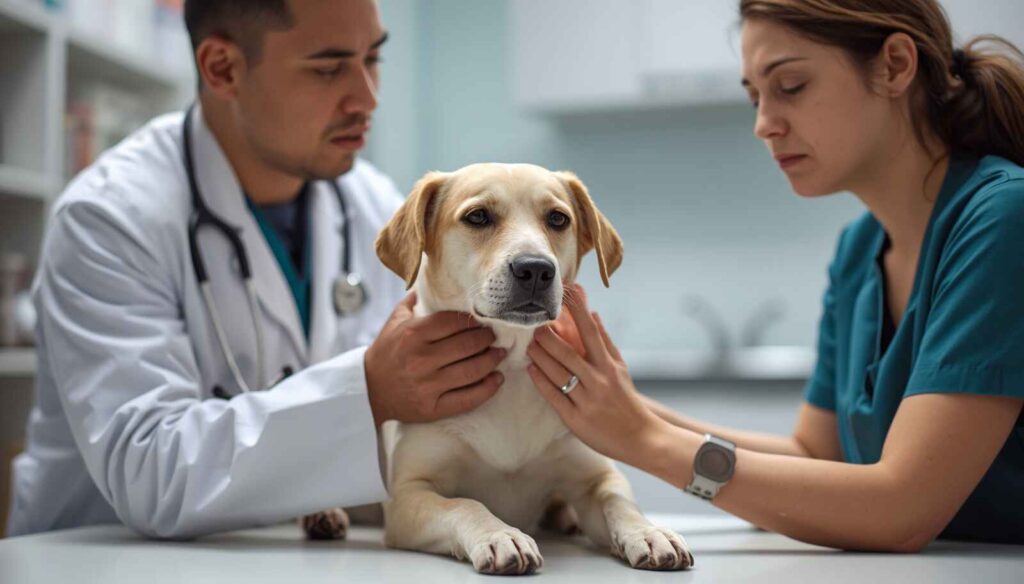
If your dog has diarrhoea alongside vomiting and seems unwell in themselves — not their usual energetic self — an infection is worth ruling out with a vet visit.
6. Stress and Anxiety
This one surprises a lot of dog owners. Stress genuinely affects the gut. If your dog has recently moved house, experienced a change in family routine, heard fireworks, or met a new pet — the gut can respond by speeding up digestion. The result? Yellow, loose, or mucousy poop.
It often resolves on its own once the stressor passes. But if your dog is frequently anxious, it’s worth speaking to your vet about management strategies.
7. Pancreatitis
The pancreas helps produce digestive enzymes. When it becomes inflamed — usually after a dog eats a very fatty meal, or in some breeds that are predisposed — digestion goes haywire. The poop can turn yellow, greasy, and have an unusually foul smell.
Other signs to watch for: hunching over, whimpering when their belly is touched, vomiting, and reluctance to eat. Pancreatitis can range from mild to life-threatening and always warrants prompt veterinary attention.
8. Liver or Gallbladder Problems
Here’s a bit of biology that helps this make sense. Bile — produced by the liver and stored in the gallbladder — is what gives dog poop its normal brown colour. Bile turns green when it’s first produced, then gradually becomes brown as it moves through the gut.
If the liver isn’t producing enough bile, or the gallbladder can’t release it properly, the poop doesn’t get fully processed and can appear yellow or pale. You might also notice yellowing of the whites of the eyes or gums (jaundice), increased thirst, or a swollen belly.
This is one to take seriously. Liver and gallbladder issues need diagnosis and treatment. Don’t wait more than a day if you see yellow poop alongside these other symptoms.
9. Inflammatory Bowel Disease (IBD)
IBD is a chronic condition where the lining of the gut becomes persistently inflamed. It’s more common in middle-aged to older dogs and can cause recurring yellow or mucousy diarrhoea, weight loss, and a generally poor coat condition.
IBD is diagnosed by a vet through blood tests, ultrasound, or sometimes biopsies, and managed with dietary changes and sometimes medication.
10. Antibiotics and Medications
If your dog is on a course of antibiotics, it’s not unusual for their poop to change colour or consistency. Antibiotics kill harmful bacteria but also disrupt the healthy gut microbiome, which can cause yellow or looser stools temporarily.
Adding a dog-specific probiotic during and after a course of antibiotics can help restore gut balance. Ask your vet for a recommendation.
Dog Poop Colour Guide at a Glance
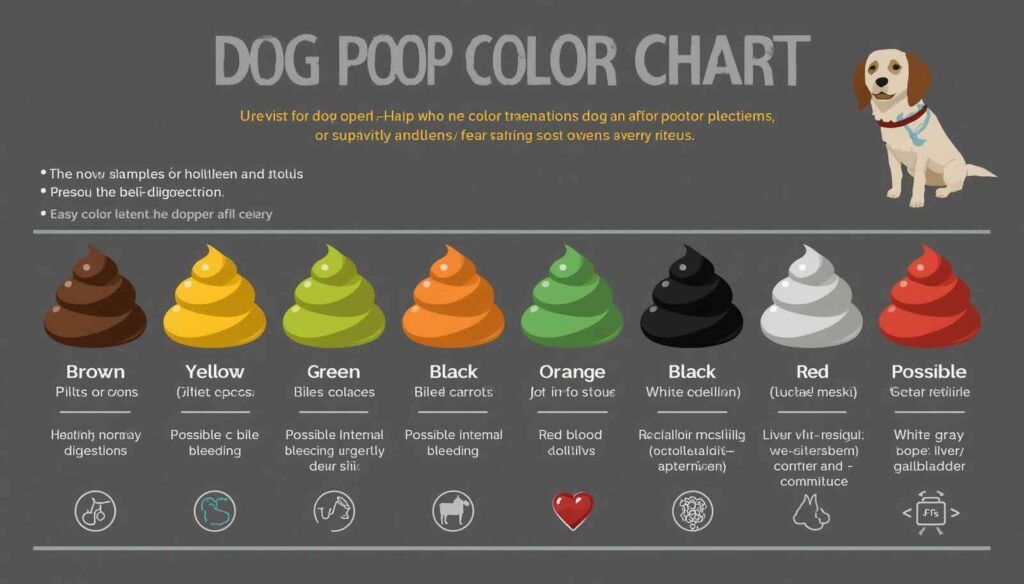
Yellow isn’t the only colour worth knowing about. Here’s a quick reference:
Brown -> Healthy — aim for this every time
Yellow -> Diet, stress, bile issues, or infection — investigate if it persists
Green -> Eating grass, bile issue, or infection
Orange -> Bile duct issue or too many carrots
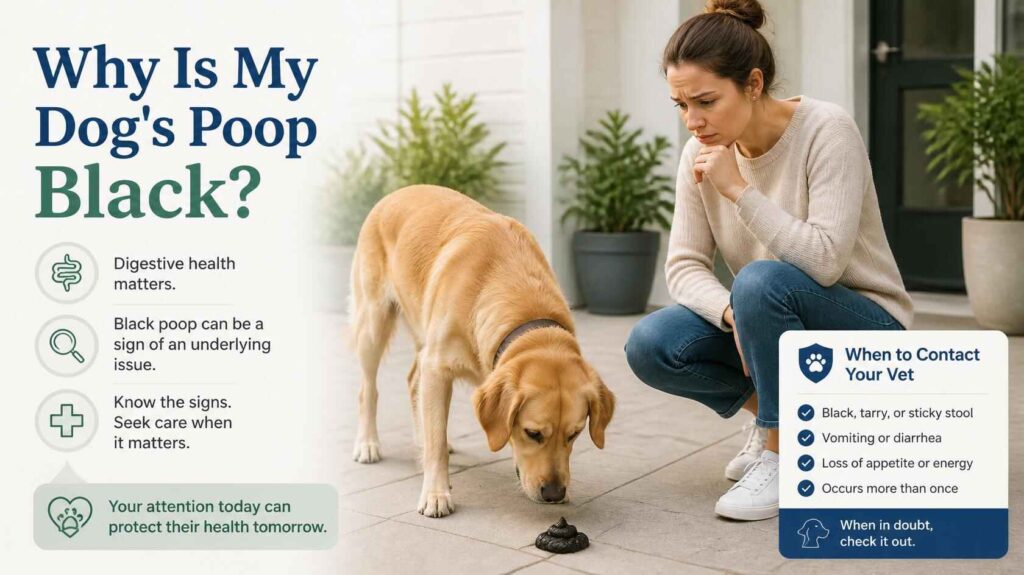
Black -> Possible internal bleeding — see a vet urgently
Red/Blood -> Rectal bleeding or colitis — vet visit needed
White/Grey -> Raw bone diet residue or liver/gallbladder concern
When Should I Be Concerned About Yellow Dog Poop?
Not all yellow poop is an emergency — but these signs tell you it’s time to act:
| Sign | What to do |
|---|---|
| One-off yellow poop, dog acting normal | Monitor for 24–48 hours. Likely dietary. |
| Yellow poop lasting more than 2 days | Book a vet appointment |
| Yellow poop + vomiting | Vet within 24 hours |
| Yellow poop + lethargy or loss of appetite | Vet within 24 hours |
| Yellow, watery diarrhoea (especially in puppies) | Vet same day — dehydration risk is high |
| Yellow poop + yellow eyes or gums | Emergency vet visit now |
| Yellow poop + blood or mucus | Vet same day |
Puppies and senior dogs need faster action. Their systems are more vulnerable to dehydration and deterioration. When in doubt, call your vet — most are happy to advise over the phone whether you need to come in urgently.
What to Do at Home First (When It’s Mild)
If your dog has a single yellow poop and is otherwise bright and well, here’s what you can try before heading to the vet:
Step 1 -> Withhold food for 12–24 hours (not water) to let the gut settle. Skip this step for puppies, diabetic dogs, or very small breeds.
Step 2 -> Offer plain boiled chicken and white rice in small amounts — gentle on the gut and easy to digest.
Step 3 -> Ensure access to fresh water at all times. Diarrhoea dehydrates dogs quickly.
Step 4 -> Add a vet-approved probiotic to support gut bacteria recovery (especially if they’re on antibiotics).
Step 5 -> Monitor closely — keep a note of how often they’re going, what it looks like, and any other symptoms.
Step 6 -> If no improvement within 48 hours, or symptoms worsen at any point, call your vet.
Can Chicken and Rice Cause Yellow Poop?
Funnily enough — yes, sometimes. Plain boiled chicken and white rice is the standard home remedy for digestive upset, but in some dogs, particularly those sensitive to chicken, the bland diet itself can cause a slight yellowing of stools.
If your dog’s poop is turning yellow on the bland diet but they’re improving overall (less vomiting, more energy, eating well), this is usually nothing to worry about. It typically resolves as you gradually reintroduce their regular food.
Can Stress Actually Turn Dog Poop Yellow?
Yes, genuinely. The gut-brain connection in dogs is strong. Stress activates the nervous system in a way that speeds up gut motility — meaning food moves through too quickly for bile to fully break down. The result is yellow or pale, often softer poop.
If your dog’s yellow poop coincides with a stressful event (kennels, a new baby, moving, fireworks), it’s likely stress-related and should settle within a few days once they feel calm again.
How to Prevent Yellow Dog Poop in the Future
- Stick to a consistent diet. Dogs thrive on routine. Avoid sudden food switches — always transition over 7–10 days.
- Keep up with parasite prevention. Regular worming and flea/tick treatments are essential, especially in the UK, Canada, and Australia where certain parasites are more common.
- Avoid feeding table scraps. Rich, fatty, or spicy human food is one of the top causes of digestive upset in dogs.
- Keep them away from rubbish and unknown substances on walks. Easier said than done, but vigilance helps.
- Annual vet check-ups. Many underlying conditions — liver issues, IBD, food allergies — can be caught and managed early with routine health checks.
- Reduce unnecessary stress. Use calming aids, maintain routines, and provide a safe, comfortable environment.
Frequently Asked Questions
1.Is yellow dog poop always a sign of something serious?
Not at all. A single yellow poop with no other symptoms is usually caused by something the dog ate, a minor diet change, or a brief bout of stress. It becomes a concern when it persists beyond 48 hours or comes alongside vomiting, lethargy, or loss of appetite.
2.Can dog food itself cause yellow poop?
Yes. Some cheaper dog foods contain artificial colourants, high grain fillers, or ingredients that some dogs can’t tolerate. Switching to a food with clearer, simpler ingredients can sometimes resolve recurring colour changes. If you suspect a food sensitivity, ask your vet about an elimination diet trial.
3.My dog has yellow, runny poop — what does that mean?
Yellow and runny (watery diarrhoea) is more concerning than yellow and firm. It points to a more active gut issue — possible infection, parasites like Giardia, or a severe food reaction. If it’s happening more than twice and your dog seems unwell, see a vet that day, particularly if they’re a puppy or a small breed.
4.How do vets diagnose the cause of yellow poop?
Your vet will likely start by asking about diet, recent changes, and any other symptoms. They may take a fresh stool sample to test for parasites and bacteria, run blood tests to check liver and pancreatic function, and in some cases use an abdominal ultrasound to look at the liver, gallbladder, and gut.
5.Can turmeric in dog food or supplements cause yellow poop?
Yes — turmeric is a bright yellow pigment and a relatively popular ingredient in some dog supplements and natural treats. If your dog is taking turmeric supplements or eating food containing it, the colour alone can show up in their poop without any health issue involved.
6.Should I collect a poop sample before going to the vet?
Yes, if you can. A fresh sample (collected within the last few hours in a clean, sealed container) can save a lot of time at the vet. Many clinics provide stool sample pots on request. Avoid using takeaway containers — they sometimes have residues that interfere with lab results.
7.Will yellow poop go away on its own?
If the cause is dietary — something they ate, a recent food change, or a brief stressful event — yes, it usually resolves within 24–72 hours without treatment. If it’s linked to an infection, parasites, or an underlying health condition, it won’t resolve without proper treatment.
The Bottom Line
Yellow dog poop is your dog’s gut sending you a signal — and it’s worth paying attention to. Most of the time it’s nothing serious: a bit of dietary mischief, a stressful day, or a temporary gut disruption. But when it keeps happening, or comes packaged with other symptoms, it needs a vet’s eyes.
The best thing you can do is know your dog’s normal. The better you understand what healthy looks like for your specific dog, the faster you’ll notice when something is off — and the sooner you can act.
When in doubt, call your vet. They’d rather you ring with a question that turns out to be nothing than wait too long on something that mattered.
#. Related Articles:
1. Why Is My Dog’s Poop Black?